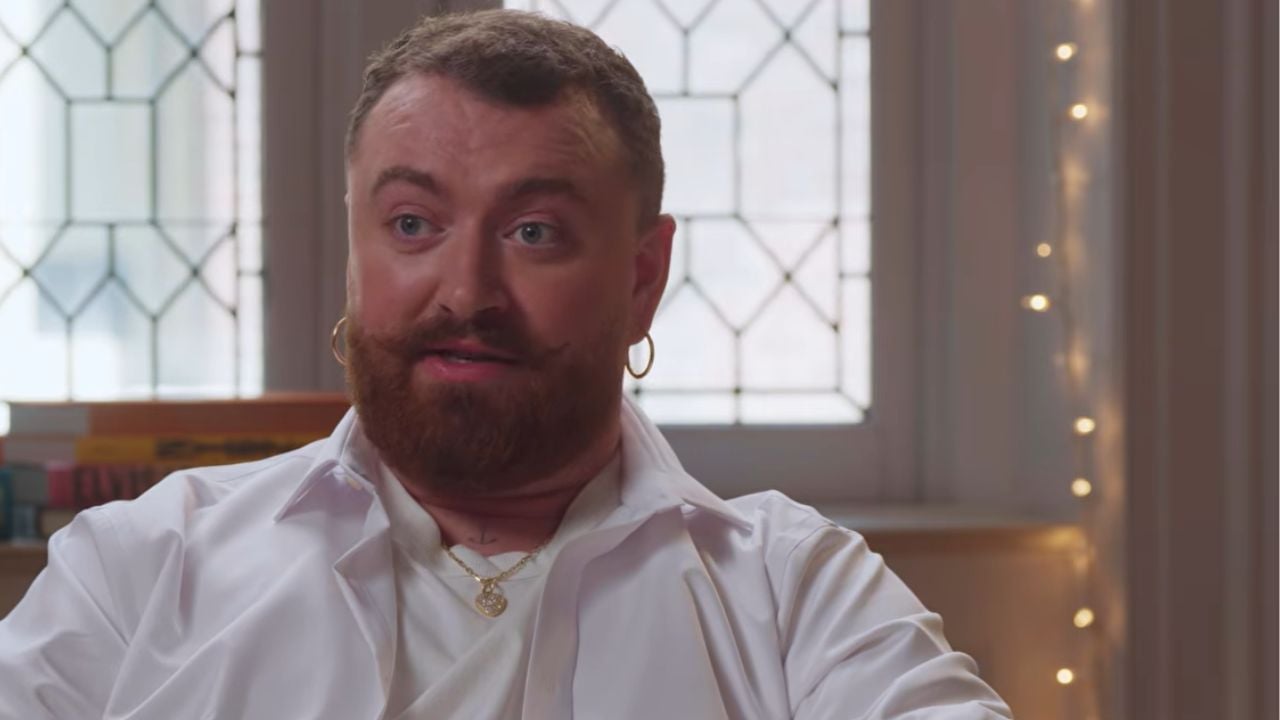
Sam Smith spent years discovering Tom Petty’s music after a songwriting-credit dispute that once left them furious. The part they cannot revisit is the handwritten letter Petty sent them on the eve of the 2015 Grammy Awards.
Smith, 34, discussed the letter on the Aug. 26 episode of Alchemy With Anthony Mason, recalling that it arrived in their room the night before the Grammys. They were angry when they read it and never responded. More than a decade later, Smith told PEOPLE that they deeply regret leaving it unanswered.
The controversy involved similarities between the chorus melodies of Smith’s 2014 breakthrough hit “Stay With Me” and Petty and Jeff Lynne’s 1989 song “I Won’t Back Down.” After the publishers became involved, Petty and Lynne received co-writing credit on Smith’s song under an agreement reached months before that Grammy night.
Smith still maintains that they had never heard “I Won’t Back Down” when “Stay With Me” was written. What has changed is their understanding of Petty’s response, which Smith now sees as far more compassionate than it felt to them at 22.
Smith Now Reads Petty’s Letter Differently
Smith told Alchemy With Anthony Mason that their musical world as a young singer largely revolved around divas and “girl pop,” with Stevie Wonder and George Michael among the few male singers they regularly listened to. “I Won’t Back Down,” they said, simply had not been part of what they knew before writing their own song.
Petty’s letter initially made the situation more frustrating. Smith recalled him observing that there are only so many notes on a piano, which led them to wonder why the similarity had become an issue if Petty himself understood how easily one could occur.
Age has changed that interpretation. Smith now believes Petty was trying to reassure a young artist that he understood what they were going through and was sorry they had become caught up in it. “And I’m so deeply regretful that I never responded to him,” Smith said, later adding, “I definitely should’ve written back to him.”
‘Stay With Me’ Was Settled Without a Lawsuit
Smith wrote “Stay With Me” with James Napier and William Phillips. After publishers for “I Won’t Back Down” contacted their counterparts over similarities between the choruses, Smith’s representatives said the three writers listened to Petty’s song, acknowledged the resemblance and maintained that it was a coincidence.
The parties reached what Smith’s representatives described at the time as an immediate and amicable agreement in October 2014, with Petty and Lynne added as co-writers. Petty’s letter came several months later, the night before the Feb. 8, 2015 Grammy Awards.
“Stay With Me (Darkchild Version)” went on to anchor Smith’s breakthrough Grammy night. They won four awards, including Record of the Year and Song of the Year, along with Best New Artist and Best Pop Vocal Album for In the Lonely Hour.
Petty Said There Were ‘No Hard Feelings’
Petty’s own public response was considerably calmer than much of the controversy surrounding the songs. In a statement revisited by NME, he said he had never held any hard feelings toward Smith and described what happened as a “musical accident.”
He also said Smith’s team had been understanding and that the agreement had been reached easily. Petty specifically rejected the idea that the matter had become a legal battle, saying the word “lawsuit” had never even been used and that filing one had not been his intention.
Petty died in October 2017 at 66. By then, Smith had begun discovering the catalog they said they barely knew when the original “Stay With Me” issue arose.
Smith Eventually Apologized From the Stage
View this post on Instagram
One Petty song became especially important to Smith, “It’ll All Work Out,” from Tom Petty and the Heartbreakers’ 1987 album Let Me Up (I’ve Had Enough). Smith said they began turning to the track during breakups and other particularly difficult moments, describing it as a song they return to when they are at their saddest.
Smith later incorporated “It’ll All Work Out” into their To Be Free: New York City residency at Warsaw in Brooklyn, where the Petty song appeared in the same set as “Stay With Me.” The pairing gave Smith an opportunity to revisit a connection between the two musicians that had begun very differently more than a decade earlier.
Smith also used the performance to say what they had never put in a letter. They apologized to Petty onstage for failing to reply while he was alive and later said making that apology helped them release something they had been carrying for years.