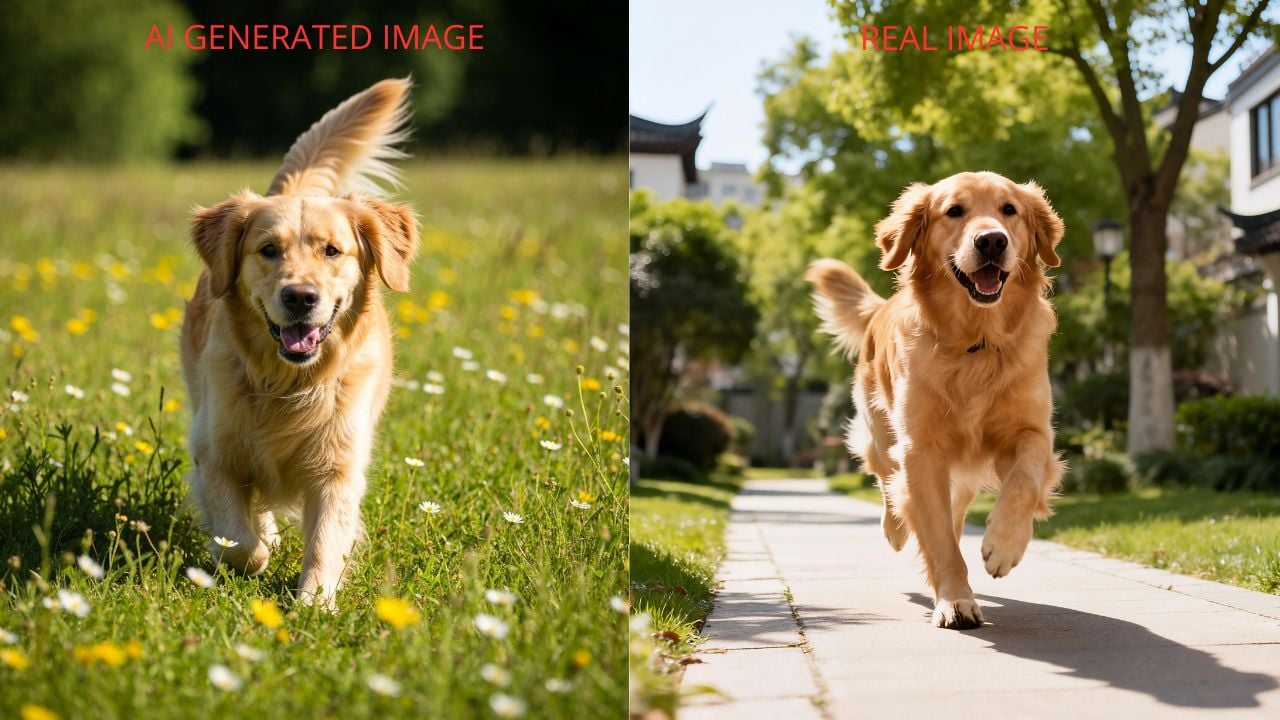
Pet owners searching for a missing dog or cat are being targeted by a scam that uses artificial intelligence to make the lie harder to ignore.
Pennsylvania State Police are warning that scammers are taking photos from missing pet posts on social media, using AI tools to create fake images of those animals injured in what appears to be a veterinary clinic, then demanding money before the pet can supposedly be treated or returned.
CBS 21 reported that the scam often starts after owners post photos of missing pets on Facebook or Instagram. The scammer then claims the animal has been found hurt and needs urgent care.
The payment demand is the trap. Police said scammers may ask for cryptocurrency, Bitcoin, or gift cards, claiming the pet cannot be treated until money is sent.
The Scam Starts With A Real Missing Pet Photo
The tactic is convincing because the scammer starts with an image the owner already posted publicly. According to CBS 21, Pennsylvania State Police said scammers steal those photos and use AI tools such as Google’s Gemini or OpenAI’s ChatGPT to generate realistic-looking images that appear to show the pet injured inside an emergency clinic or veterinary hospital.
That gives the scammer emotional leverage. Instead of only saying they found the dog or cat, they can send a picture that appears to show the animal in pain. For an owner already worried and searching, the image can make the fake emergency feel immediate.
Trooper Megan Frazer, a Pennsylvania State Police public information officer, told CBS 21 that scammers are relying on fear and sympathy to push people into acting quickly. Her advice was blunt: “Assume everyone’s lying and try to verify if you can.”
The Warning Signs Can Be Small
Police said the fake images may look convincing at first glance, but some details can give them away. CBS 21 reported that Pennsylvania State Police warned about glossy, overly shiny, or unnatural-looking pet eyes in AI-generated images.
The payment demand is a bigger warning sign. A caller who says a pet cannot be treated or released until the owner sends cryptocurrency, Bitcoin, gift cards, or another hard-to-recover payment is using pressure, not proof.
Another red flag is refusal to verify. A real veterinary clinic should be able to provide a legitimate business name, a direct phone number, and a way for the owner to confirm the animal is actually there. A scammer may avoid a live video call, refuse to show the pet in real time, or provide excuses for why the owner cannot speak directly with the clinic.
The FBI Has Warned About Lost Pet Scams Before
The AI images are a newer twist on an older missing-pet scam. The FBI’s El Paso office has warned that scammers pretend to be Animal Services, claim a missing pet is injured, and demand money before releasing the animal.
The FBI said scammers also create fake profiles, join missing pet pages, and post about hurt animals while claiming they have taken a pet to a veterinarian. The bureau advised owners to ask to see the pet in person or ask for a detail that was not included in the lost pet post, photo, or flyer.
The Better Business Bureau has also warned that con artists comb social media for missing pet posts, then contact owners with claims that the animal has been found. BBB advises owners to leave out one or two unique details from public posts so they can test whether a caller really has the pet.
Never Pay Before Verifying The Pet Is There
Pet owners who get a message about a supposedly injured missing animal should slow the conversation down before sending money. Ask for a live video call with the pet. Ask the caller to show a detail that was not included in the missing pet post. Call the veterinary clinic directly using a number from the clinic’s official website, not a number supplied by the caller.
The FBI’s 2025 Internet Crime Report also shows why AI scams are no longer a small side issue. The bureau said IC3 received 22,364 complaints involving artificial intelligence in 2025, with losses nearing $893 million. The FBI said scammers are using pressure tactics along with fake social profiles, voice clones, identification documents, and believable videos.
Pennsylvania State Police urge anyone targeted by the missing-pet AI scam to stop communicating with the suspect, avoid sending money or personal information, and report the incident to local police. Victims can also report online fraud to IC3.gov and ReportFraud.ftc.gov.