A Texas resident became suspicious when his printed bank statements suddenly stopped arriving. When he checked his account, he found an unauthorized withdrawal and asked his bank to freeze everything.
But police say the accounts were not frozen. By the time he checked again, thieves had accessed four accounts and caused approximately $207,000 in losses, making his case the largest in an unusually costly week of fraud in Houston’s Memorial Villages.
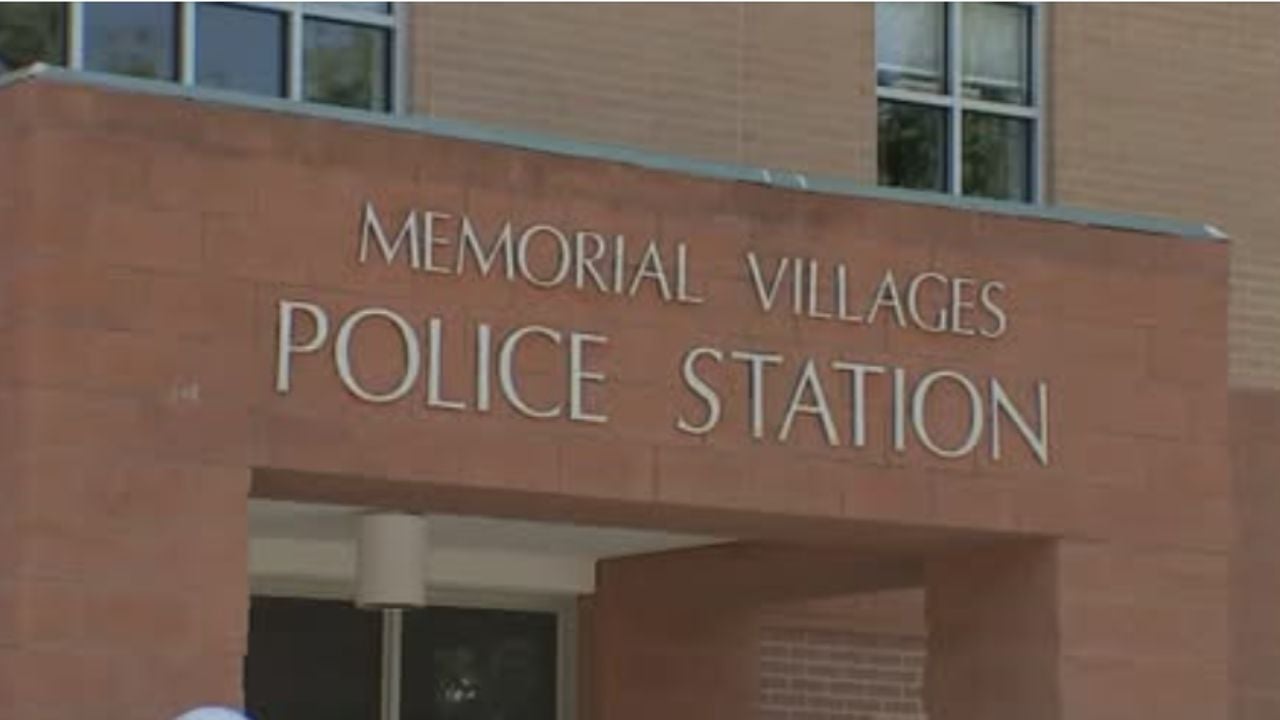
Five residents reported fraud cases with combined losses exceeding $250,000, according to ABC13 Houston. The cases ranged from account takeovers and fraudulent credit accounts to a fake jury duty call.
Police Chief Ray Schultz said two Memorial Villages cases may be connected to crimes under investigation in several states and an organized criminal group based in San Diego.
The $207,000 Case Started With Missing Bank Statements
The Hunters Creek resident told police that he noticed in early 2026 that his regular bank statements were no longer arriving. He contacted the bank, reviewed his account and discovered an unauthorized withdrawal. According to the Memorial Villages Police Department, he asked for his accounts to be frozen and believed the institution was investigating.
When he later checked again, additional unauthorized activity had occurred. Schultz told ABC13 that the suspects had gained access to four accounts, resulting in the approximately $207,000 loss.
The Transactions Stretched From Cash Withdrawals to a Car
Police said dozens of transactions were made in Philadelphia after the resident first discovered the problem. The activity included cash withdrawals and payments involving food delivery, utilities and TikTok. Investigators also said the compromised funds were used to purchase a vehicle.
According to the police account, the bank later told the victim to make a police report before it would investigate further and could not explain why his earlier request to freeze the accounts had not taken effect. Detectives began gathering records from the accounts to determine where the money went and who controlled the transactions.
A Fake Jury Duty Call Nearly Cost Another Resident $2,000
A separate Hunters Creek case began when a woman received a call from a man claiming to represent the Harris County Constable’s Office. Police say the caller told her that warrants had been issued because she failed to appear for jury duty and that she needed to post a $2,000 bond immediately.
He sent her a barcode and directed her to a Kroger store. She loaded $999, the transaction limit, and attempted to make a second payment before an employee recognized the warning signs and intervened. The employee’s intervention prevented the second payment, according to police.
Other Residents Found Financial Accounts Opened in Their Names
Three other reports involved stolen personal information being used for purchases or new credit. A Bunker Hill resident received an email from Dillard’s asking her to verify a transaction she had not made. Police say someone had used her identifying information to obtain an account lookup from a sales associate and then charged purchases to her account.
In Piney Point, a woman received a Credit Karma notification concerning PayPal accounts even though she had never opened one. She subsequently discovered two PayPal accounts and four Affirm credit accounts created using her identity and was able to freeze them.
Another Piney Point resident received a text asking whether she was attempting a large firearm purchase. Investigators say someone had opened a credit card using her information on Aug. 5 and later attempted to use it to buy several firearms in New York City.
The FBI Flagged a Possible Multistate Connection
Memorial Villages police said an FBI interstate crime task force contacted detectives after identifying similarities between a local investigation and cases being examined in California.
Schultz told ABC13 that two local cases may be connected to crimes associated with an organized criminal group based in San Diego. Detectives are seeking records involving bank accounts, Uber accounts and telephone numbers as they attempt to identify the people involved and trace the money.
Schultz said complex fraud cases can require dozens of subpoenas across multiple states because stolen funds and personal information can move quickly between accounts and jurisdictions.
Missing Statements Can Be an Early Identity Theft Warning
A regular bill or bank statement that unexpectedly stops arriving should not be dismissed as a mail problem. The Federal Trade Commission identifies missing bills or statements as a potential sign that an identity thief changed an address or gained access to an account.
Consumers who notice missing financial mail should log in through the institution’s official website or app, verify their mailing and contact information and review recent transactions. Password changes, unfamiliar devices, new payees or transfers between accounts can indicate that access has already been compromised.
If unauthorized activity appears, contact the financial institution’s fraud department immediately. The Consumer Financial Protection Bureau advises consumers to report unauthorized electronic transfers promptly because federal protections can depend on how quickly the problem is reported.
When asking for accounts or cards to be frozen, confirm that the restriction has actually been placed and ask what other access needs to be disabled, including online banking credentials, linked cards and compromised account numbers. Keep the date of the report, any case or confirmation number and copies of communications with the institution. The FTC’s IdentityTheft.gov provides a recovery plan for closing fraudulent accounts, changing compromised credentials and documenting identity theft.