
Sean “Diddy” Combs is officially taking his fight to the big leagues of the appellate court, and the legal paperwork is just as flashy as one of his mid-nineties music videos. His legal team recently filed a high-stakes appeal to overturn his 50-month prison sentence and Mann Act convictions. And in case you didn’t know, the music mogul was convicted in July 2025 for transporting male escorts across state lines for his infamous “freak off” parties, but he is clearly not going down without a fight.
Per TMZ, his lawyers now argue in court documents that U.S. District Judge Arun Subramanian essentially ignored a jury verdict that acquitted him of more serious racketeering and sex trafficking charges. This move challenges whether a judge can punish a defendant for conduct a jury explicitly rejected, a practice the defense calls a “perversion of justice”.

With oral arguments fast-tracked for April 9, 2026, Combs is seeking immediate release or a new sentencing hearing. He is currently facing just over four years in federal prison, which is a massive jump from the 14 months his defense originally suggested was appropriate for his specific convictions, and they are not being quiet about the discrepancy.
The Amateur Pornographer Strategy
The heart of this new appeal rests on the explosive claim that his sentences are anything but fair. According to the March 2026 brief, his lawyers are doubling down on the 2025 argument that his acts were nothing but “highly choreographed, creative and intricate performances”. They even go as far as to say these sessions make Combs “indistinguishable from an adult film producer.”
Last year, Diddy’s lawyers claimed that because the encounters were frequently recorded and featured staging and costumes, they should be viewed as “homemade porn.” The goal at that time was to technically make them expressive content protected by the First Amendment. It is a bold legal pivot that attempts to turn a federal crime into a protected artistic endeavor.

It is also a massive shift from the trial narrative where prosecutors described a disturbing network that used drugs and intimidation to exploit women. While the defense labels Combs as “merely an amateur pornographer,” the trial judge previously rejected this theory during earlier proceedings. Judge Subramanian stated that illegal conduct cannot be transformed into protected speech simply by filming it.
This “Director’s Cut” defense is certainly a creative way to handle a federal conviction. It suggests that every move, whether illegal or not, can be reframed as part of a larger, albeit amateur, production, as long as it’s filmed and you have really good lawyers.
A Judicial Tug of War and the Thirteenth Juror
Combs’ attorneys are pulling no punches when it comes to the 50-month sentence handed down in October 2025. They officially describe the term in filings as a “perversion of justice.” They claim the judge acted as a “thirteenth juror” by deciding that Combs coerced, exploited, and forced his girlfriends.
The appeal highlights a massive dissonance between the testimony of former girlfriends and the defense’s new persona as a “creative director”. During the eight-week trial, witnesses testified about drug-fueled sexual acts that left them exhausted. Yet the new brief insists that these events were not sufficient to warrant such a high sentence.
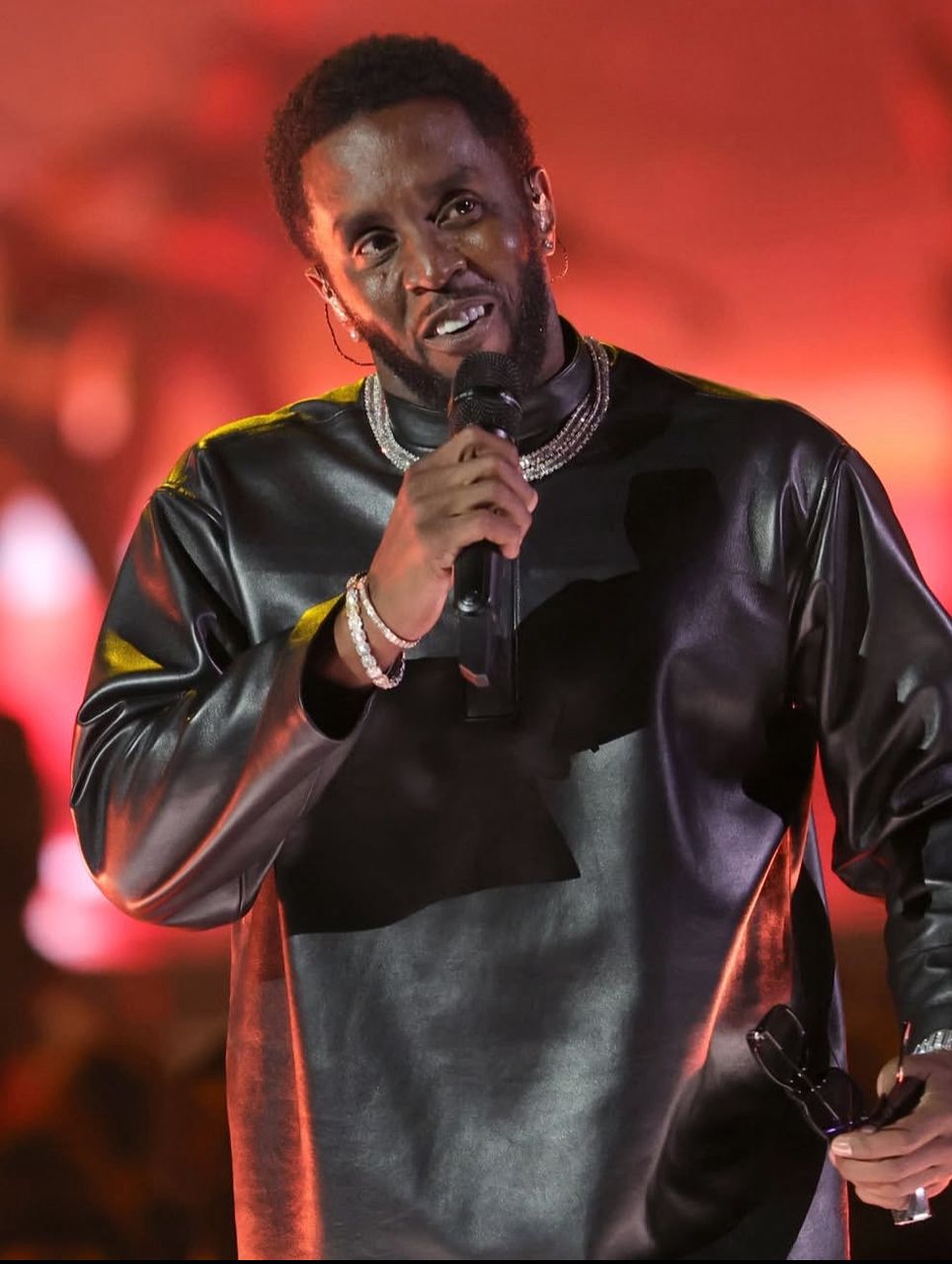
According to court filings, the defense team believes that Judge Subramanian improperly used his own interpretation of the evidence. They argue that if a jury says “not guilty” on trafficking, a judge shouldn’t be able to sentence someone as if they were guilty. This legal “tug of war” is at the center of their request for a new sentencing hearing.
The defense also points out that the 50-month sentence is significantly higher than the 14 months they believe is standard for similar Mann Act cases. They claim that Combs is being treated as an outlier because of his celebrity status. This argument paints Combs as a victim of a system that refuses to let go of the more sensational charges.
The Evidence Gap in the Filmmaker Narrative
While the defense leaned hard on the First Amendment, there is a noticeable gap in the “art” argument that major outlets are starting to pick up on. There is no mention in the court documents of a distribution plan or a professional production company structure for these “homemade films,” which were seemingly only for private consumption.

The outcome of the April 9 oral arguments will likely mark the end of this legal challenge. Of course, we’ll all be watching closely to see if this new argument can actually stick in a federal courtroom. If it stands, it marks a total transition from his former status as a convicted offender to a defendant fighting for air in a courtroom. If the appeal fails, those 50 months are going to feel a lot longer than a typical music video shoot.
Ultimately, this case touches on a massive systemic debate in federal law regarding how much power a judge really has. For the public and the entertainment world, it raises the question of whether a celebrity or the powerful can ever truly be held accountable.
Combs remains in a low-security facility while his team prepares for the April showdown. The world of entertainment journalism will be glued to the Second Circuit for any sign of a reversal. For now, the mogul is stuck in a legal reality that no amount of clever “choreography” can easily fix.