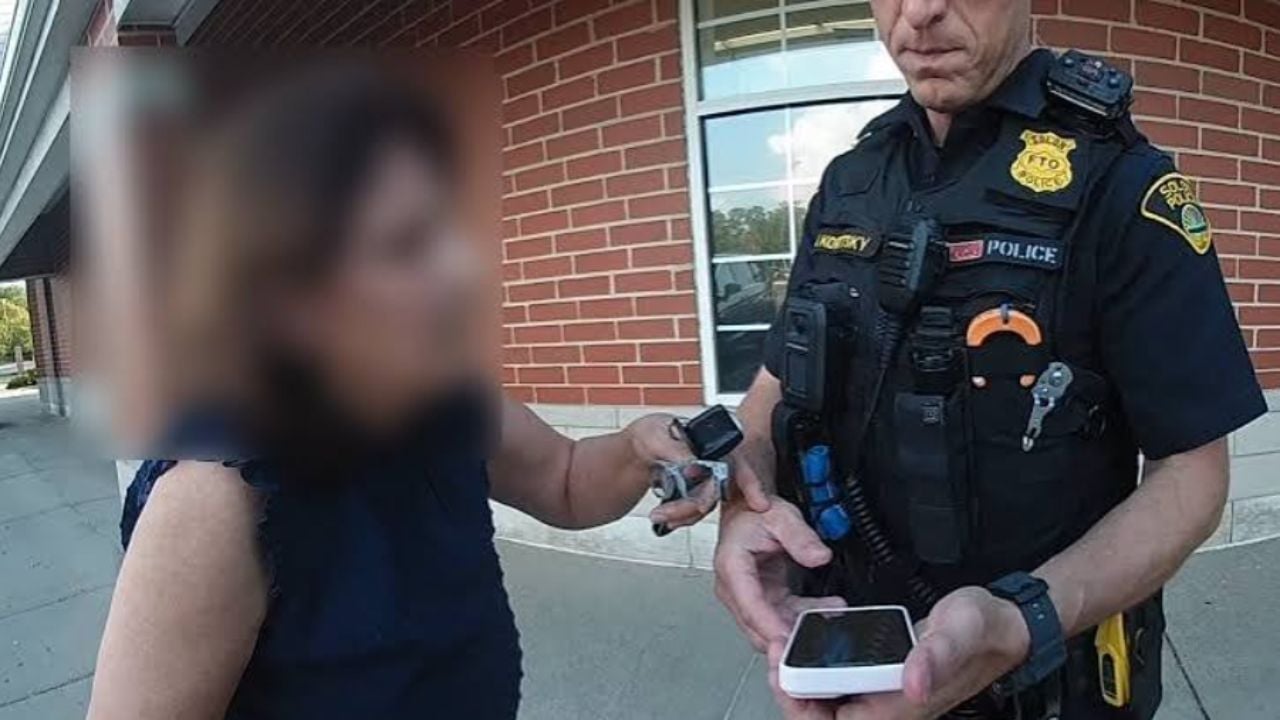
A woman in Solon, Ohio, came close to losing more than $4,100 after clicking a link in an email and then being threatened by a scammer who appeared able to watch what she was doing on her screen.
The woman told police the email interaction exposed her banking information and password. The scammer then contacted her through WhatsApp, where the conversation became increasingly aggressive and he began directing her movements.
He threatened to take all of the money from her account if she did not cooperate and ordered her to go to a store and purchase $500 gift cards. She followed the instructions far enough to reach a Walgreens on SOM Center Road while the scammer remained on the phone.
According to Cleveland 19, she quietly asked a cashier to call police before buying any cards. Officers and bank employees were then able to secure her accounts before another financial loss occurred.
The Scam Began With an Email Link
The woman told Solon police that the scammer first reached her by email earlier that day. After she clicked a link, she said the person obtained access to her banking information and password, giving him information he could use to make his threats appear credible. Body-camera footage shows an officer concluding that screen access had apparently been shared at some point during the interaction.
After the email interaction, the scammer communicated with the woman through WhatsApp and began giving her instructions. She told officers that he was yelling at her and threatening to remove all of the money from her account if she did not do what he said.
The scammer told her to hurry, get into her car and travel to a store where she could purchase gift cards. He wanted cards in $500 denominations. Cleveland 19 reported that more than $4,100 was at risk during the incident, although no gift-card purchase or bank transfer was ultimately completed.
Police Said He Appeared to Be Watching Her Screen
Body-camera footage showed the woman visibly shaken after officers arrived at Walgreens. As police tried to understand what had happened, they concluded that the scammer appeared able to see information displayed on her device.
One officer explained to her that the scammer had apparently been watching her screen and said she must have shared screen access with him during the interaction. That would help explain why she believed he could see what she was doing while he continued directing her over the phone.
Remote access can give a scammer considerably more power than simply knowing a password. Depending on the permissions granted and the software involved, someone may be able to observe activity, see financial information displayed on the screen, manipulate the computer or persuade the victim to log into accounts while the connection remains active.
The FBI warns that scammers frequently seek remote access to a victim’s computer or account, which can expose personal information and financial accounts.
She Quietly Asked the Walgreens Cashier for Help
The scammer was still connected with the woman when she reached the Walgreens on SOM Center Road. Instead of purchasing the gift cards, she found a way to ask an employee for help without alerting the person on the phone.
She told police that she moved her purse away so the scammer would not hear what she was saying and quietly asked the cashier to call police. The cashier contacted authorities, and Solon officers arrived while the incident was still unfolding. The woman was frightened that the scammer would act on the banking information he already possessed, so protecting the accounts became the immediate priority.
Body-camera footage captured the woman urgently asking for her account to be locked before the scammer could take the money. Officers helped contact her financial institution while she remained at the store. Bank employees placed a hold on the accounts, preventing the suspected scammer from taking the money. Cleveland 19 reported that the woman came close to losing more than $4,100 but did not suffer a new financial loss from this incident.
She Told Officers Scammers Had Taken Money From Her Before
During the police response, the woman revealed that this was not her first experience with fraud. She told officers that scammers had previously taken money from her and that the earlier losses had put significant financial strain on her family. She described previous demands involving thousands of dollars and told officers the earlier scammers had left the household struggling.
If Someone Can See Your Screen, Secure the Device and Accounts
Anyone who realizes an unknown person has remote or screen-sharing access should stop following that person’s instructions and disconnect the device from the internet if it can be done safely. Do not continue opening banking, email or other sensitive accounts while the remote connection remains active.
The FBI recommends running updated security software and considering professional computer cleaning after a scammer has been given access to a device. Passwords should be changed from another trusted device, starting with email, banking and any account that reused the same password.
The bank or credit union should also be contacted immediately if login credentials or account information were exposed. Ask the institution to review recent activity, secure online banking access and determine whether account numbers, cards or credentials need to be replaced.
The FTC similarly recommends changing compromised passwords immediately and changing them anywhere else the same password was used. If sensitive identifying information was exposed, consumers can use IdentityTheft.gov to determine whether additional identity-protection measures are appropriate.