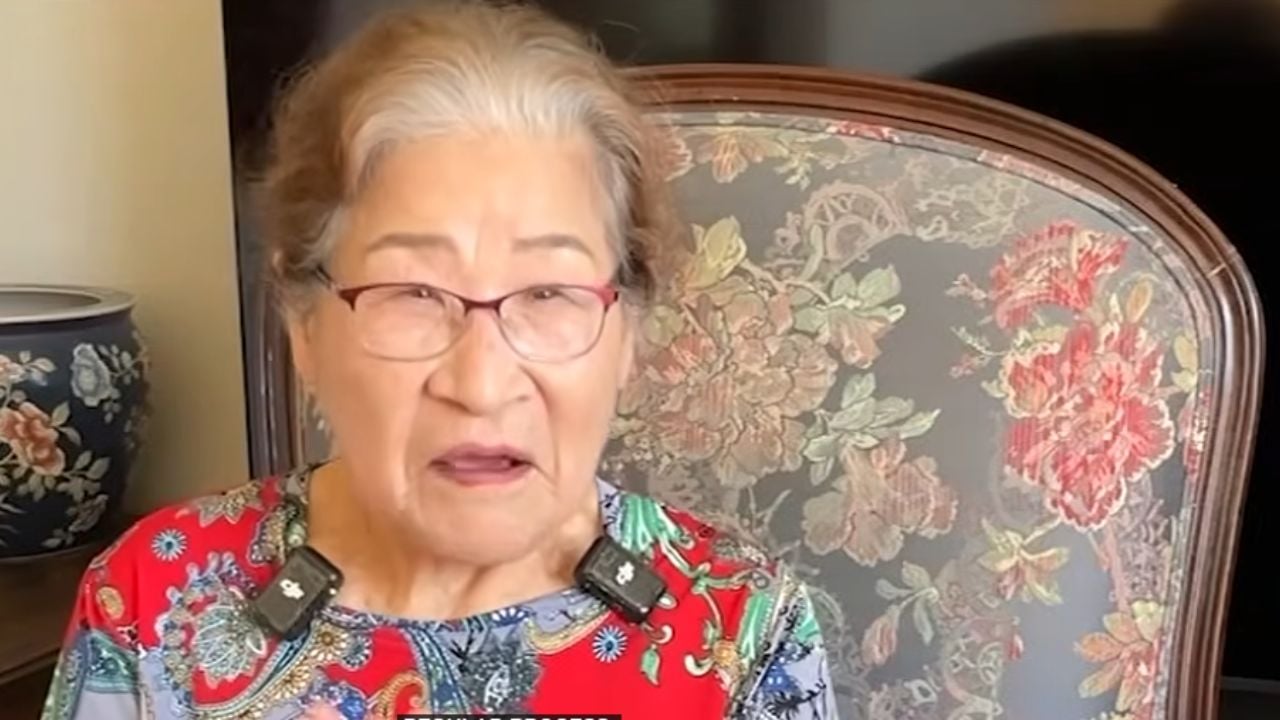
A San Francisco woman temporarily lost about $14,000 after three checks she mailed were stolen, altered and deposited into an account that did not belong to their intended recipients.
Kyung Cha Moon discovered the fraud after sending checks for ordinary government payments. One was a $118 check payable to the San Francisco Rent Board. After it was intercepted, someone added another name and another $4,000 to the check, according to ABC7 News.
Two checks Moon mailed for property taxes in San Mateo and San Francisco counties were also stolen and altered. Images of the processed checks showed different names in place of the intended government recipients.
Moon eventually recovered all of the money, but the process did not happen at once. BMO recovered the funds associated with two checks first, then refunded the remaining $5,137 after ABC7’s 7 On Your Side contacted the bank.
A $118 Rent Board Check Had Another $4,000 Added
Moon had written the $118 check to pay the San Francisco Rent Board, but it never reached the agency as intended. ABC7 reviewed images showing that another person’s name had been added to the check and that another $4,000 had been added to the amount.
Two other checks Moon mailed for property taxes in San Mateo and San Francisco counties were also intercepted. Her son, Mitchell Mun, said the intended payees on those checks were replaced before they were cashed.
The family said images of the processed checks showed that the altered payments had been deposited into an account at a credit union.
BMO Recovered Two Checks, but $5,137 Was Still Missing
Recovering the money did not happen all at once. Mun said BMO was trying to recover the disputed funds from the financial institution where the altered checks had been deposited. The bank eventually recovered the money connected to two of Moon’s checks.
The third disputed check remained unresolved, leaving the family short another $5,137. Mun told ABC7 that the family informed BMO they were contacting the station. After 7 On Your Side reached out to the bank, BMO refunded the remaining amount.
BMO told ABC7 that it immediately reviewed the matter and that the case was resolved through its regular process. Moon ultimately recovered the full amount taken through the three checks.
Postal Inspectors Call This Type of Fraud Check Washing
The U.S. Postal Inspection Service describes check washing as fraud in which criminals change the payee name on a legitimate check and often alter the dollar amount before depositing it.
Some stolen checks are treated with chemicals to remove ink. Postal inspectors say criminals can also use copiers or scanners to create fraudulent versions of legitimate checks.
A stolen check can expose the account and routing numbers, the account holder’s signature and other information contained on the original payment. That can make a single intercepted envelope useful for more than simply cashing the amount originally written on the check.
Mail Theft Rose Sharply Beginning Around 2020
Moon’s case comes against a broader increase in mail theft tied to financial crime. Brendan Donahue, an Inspector in Charge with the U.S. Postal Inspection Service, told a House subcommittee in 2025 that the Postal Service experienced a significant increase in theft from mail receptacles beginning around 2020 and continuing through roughly 2023.
Donahue said financial crimes such as check fraud were a major driver of the increase and described organized criminal groups as increasingly targeting mail for financial gain.
Moon said the experience changed how she plans to make important payments. After three of her checks were intercepted, she told ABC7 that she intends to hand deliver payments rather than place them in the mail.
How to Make Mailed Checks Harder to Alter
The U.S. Postal Inspection Service recommends using indelible black ink and filling unused space on the payee and amount lines so there is less room to add information. For outgoing mail, postal inspectors recommend using a Post Office or placing mail in a USPS collection box before its final scheduled pickup.
Consumers can also use online or mobile banking to inspect cleared checks. USPIS recommends checking the payee, amount and endorsement information against the original payment and following up with the intended recipient to confirm that the check actually arrived.
If a check has been altered or deposited without authorization, USPIS advises contacting the bank and requesting copies of the fraudulent checks. Those records, along with details about when and where the check was mailed, can be provided to law enforcement. Suspected mail theft and check fraud can also be reported to the U.S. Postal Inspection Service at 1-877-876-2455.
For additional mail protection, postal officials recommend collecting delivered mail promptly, using USPS Hold Mail when away from home and signing up for Informed Delivery to receive notifications about eligible incoming mail.