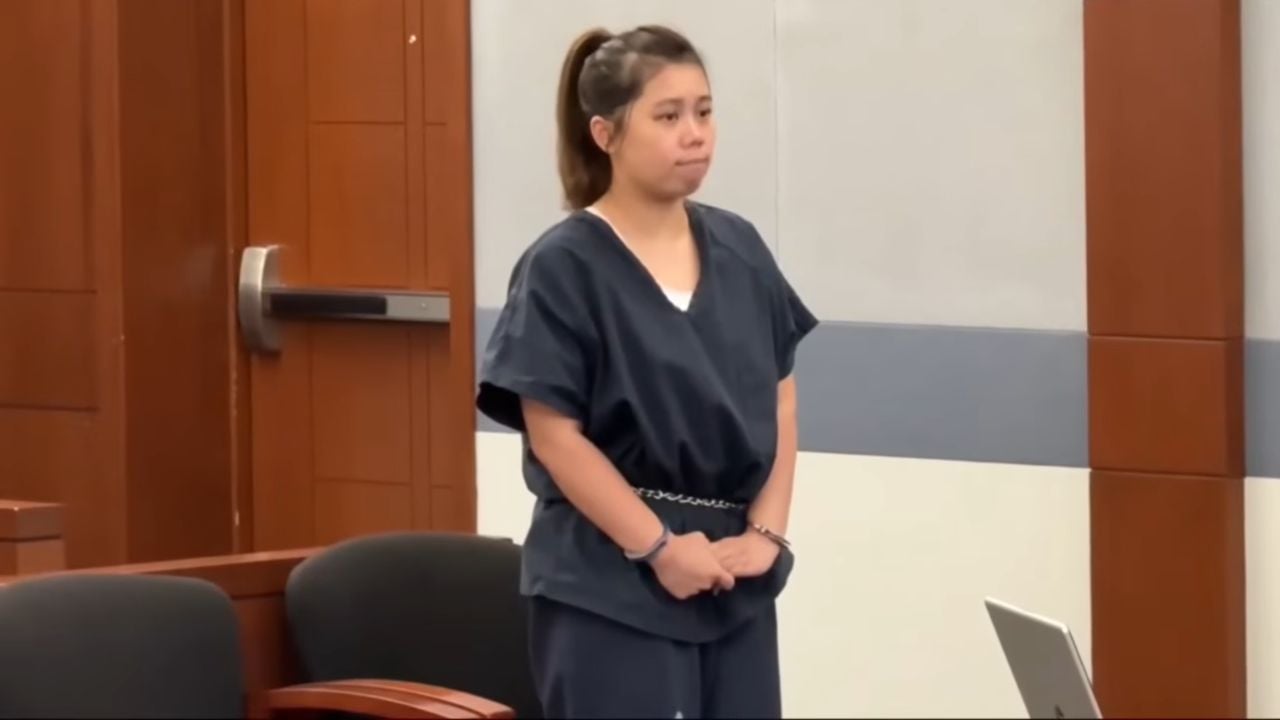
A woman accused of marrying multiple men in Clark County as part of a fraud scheme has pleaded guilty.
Jiaying Chen, 33, was accused of using marriages, false identification, and money requests to obtain thousands of dollars from men she met in Las Vegas and online.
Authorities said the alleged scheme involved the alias Vicky Liang. Chen’s sentencing is scheduled for Aug. 20.
The Case Centered on Multiple Clark County Marriages
News3LV reported that Chen was accused of marrying multiple men, getting money from them, and then disappearing.
A criminal complaint said she married five men between April and June of this year.
Court and online records cited by local reports said Chen submitted 14 marriage applications in Clark County between March 2019 and May 2024, using her real name and the alias Vicky Liang.
Authorities Said the Scheme Used False Stories and Money Requests
According to the criminal complaint quoted by News3LV, Chen was accused of entering fraudulent or illegal marriages under false pretenses and asking for money to care for sick relatives.
The complaint also alleged she later tried to pay money back through an account she was not authorized to use.
People reported that one man said Chen asked him for $40,000 for a sick family member in China, while another said she asked for $23,000 before ending the relationship.
Men Reported the Alleged Scheme After Growing Suspicious
The investigation was triggered in part by reports from men who said they had been schemed by Chen after meeting her through WeChat.
The Clark County Marriage Bureau also reported Chen to police during the earlier investigation.
One man told investigators he had known Chen for six months before they married and said he gave her $20,000 to help her half-sister, according to reports on the police account.
Investigators also cited a separate alleged check-cashing scheme in which a woman said she lost $40,000 after Chen wrote bad checks from a man’s account.
Police Said Fake IDs Were Found After Her Arrest
Chen had previously been arrested in 2024 on several counts of bigamy, but court records showed she did not appear after being released, and a warrant was issued.
Her most recent arrest came in June after Metro Police and Homeland Security investigators received a tip that she planned to meet a man at a Las Vegas restaurant to discuss getting married.
During that arrest, investigators allegedly found what appeared to be a fraudulent passport and fake Nevada driver’s license.
Investigators Tied the Money to Gambling Losses
According to News3LV’s account of Las Vegas Review-Journal reporting, police said Chen used aliases, fraudulent identification, and false marriage applications to carry out the scheme and fund her gambling.
Investigators said she lost more than $300,000 at the Wynn Casino with money obtained through the marriages.
The Review-Journal also reported that Chen told police she could make as much as $20,000 from one marriage and that she conducted fake marriages in Las Vegas because it was easy to get married there.
The Case Is Now Headed to Sentencing
Chen has pleaded guilty, and sentencing is set for Aug. 20. The public reports did not list the full terms of the plea agreement.
The Independent reported that Chen pleaded guilty to one count of bigamy and one count of obtaining money under false pretenses of more than $100,000.
Her attorney said she had been granted release from jail with house arrest, but News3LV reported she remained in custody because she did not yet have a Las Vegas residence for release.
Marriage Fraud Can Start as a Relationship Scam
A fast push toward marriage, especially when paired with urgent requests for money, sick-relative stories, immigration claims, investment promises, or pressure to keep the relationship private, should be treated as a financial warning sign.
Before sending large sums of money to a romantic partner, people can slow the process down, verify identity documents, check court and marriage records when appropriate, speak with trusted relatives or friends, and avoid giving access to bank accounts, checks, credit cards, or payment apps.
Suspected romance fraud, marriage fraud, identity fraud, or bad-check activity should be reported to local law enforcement. Online romance scams and money requests can also be reported to the FTC at ReportFraud.ftc.gov and the FBI’s Internet Crime Complaint Center at IC3.gov.