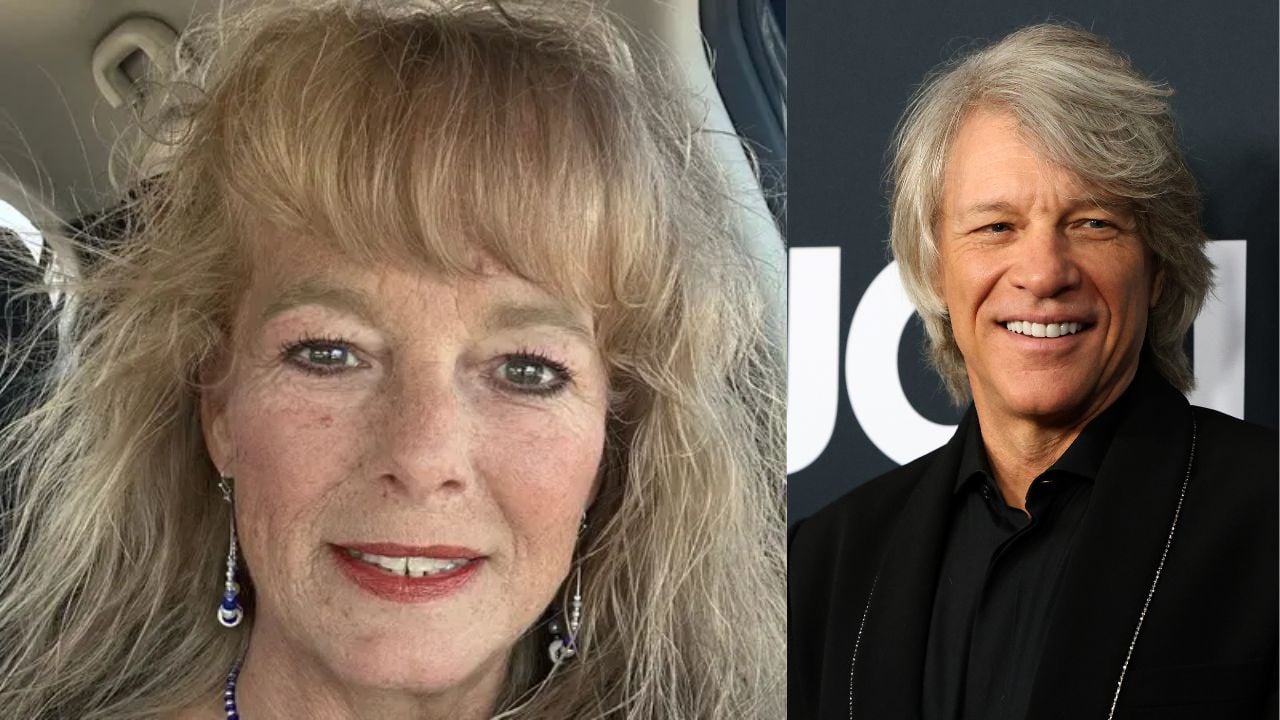
A Louisiana woman who believed she was in a relationship with Jon Bon Jovi says an impostor took $10,000 from her over 10 months, including a larger Bitcoin payment demanded after a supposed security violation prevented them from meeting.
Leslie Pickett, 55, had admired the rock singer since she was 14. The deception began in late 2024 through messages from someone she believed was the musician.
The person eventually offered to arrange an exclusive meeting, asked for payments through money-transfer apps and cryptocurrency, and later claimed he had arrived at a Louisiana hotel.
Pickett described the experience in an October 15 Business Insider interview and is featured in an upcoming National Geographic documentary. Bon Jovi had no involvement in the deception. His representative told Business Insider that the singer’s team was unaware of Pickett’s situation and warned that artists do not solicit money from fans through social media.
The First Message Used Bon Jovi’s Photograph but Came From Another Account
View this post on Instagram
Pickett, a mortgage lender in northern Louisiana, said she was relatively unfamiliar with Instagram when she came across Bon Jovi’s verified profile toward the end of 2024. Soon after she commented, a direct message appeared from an account showing his face. It was not the singer’s verified account.
The sender asked how long she had been a fan and which songs she liked. He then claimed that Bon Jovi’s management would shut down the account if it discovered he was contacting fans privately, offering an explanation for moving their conversations to WhatsApp or Telegram. Pickett learned to use the messaging services, and the exchanges became part of her daily routine.
Six Months of Affection Came Before the First Request for Money
Pickett told ABC7 that the person waited about six months before asking her for money. During that time, he repeatedly expressed affection and remembered details she had shared earlier. When she questioned his interest in her, he drew on those personal details to make his explanation sound convincing.
He also claimed that he and his wife had secretly filed for divorce but were withholding the news to protect his public image. He told Pickett that he wanted someone who cared about him rather than his fame or fortune.
The impersonation extended beyond text messages. Pickett received recorded videos, took part in a grainy live video call that lasted only about five seconds, and was surprised by flowers delivered to her home. Her cousin Jerry, the only relative she had told about the supposed relationship, warned her not to become emotionally invested.
A Supposed Private Meeting Cost About $3,000 in Installments
The first substantial payment request concerned a purported meet-and-greet with Bon Jovi. After Pickett mentioned a sold-out concert, the person offered to arrange a day together and dinner through the singer’s supposed management. Pickett recalled paying roughly $3,000 toward the arrangement.
She told Business Insider that most payments ranged from $150 to $500, with one reaching $1,000. The impersonator encouraged her to use Cash App or PayPal rather than Venmo, claiming the fees were lower. He also supplied screenshots and step-by-step directions showing her how to buy and transfer Bitcoin.
In a separate interview, Pickett described the promised meeting as part of the emotional manipulation. She had believed she was paying for an opportunity to spend time with a person she already regarded as a romantic partner.
A Fake Security Breach Brought Another Bitcoin Demand
In July 2025, the impostor announced that he had flown to Louisiana. He sent photographs purporting to show him inside a familiar hotel, with furnishings and decorative details Pickett recognized. The images made it appear that the meeting was finally within reach.
He then told her to complete a security clearance call through Google Chat. Pickett joined from her cousin’s house but could barely make out the person in the small video window. When she tried to enlarge the picture, the call abruptly ended.
Afterward, he accused her of breaching security rules, claiming his team believed she was trying to record the call for blackmail. He said a second screening would require another payment and offered to remain in Louisiana if she complied. Pickett said she transferred a larger amount of Bitcoin than she had sent previously. The meeting never happened.
A Documentary Team Used a Bitcoin Decoy to Investigate
As doubts mounted in July 2025, Pickett contacted investigative journalist Mariana van Zeller, whose National Geographic series Trafficked she had followed. Van Zeller was developing Super Scam Me, a documentary about romance fraud, and began investigating Pickett’s experience with cybersecurity specialist Arman Sadri.
In October 2025, the team used a decoy involving another purported Bitcoin payment to draw the impersonator into an online interaction. Ars Technica, which previewed documentary footage, described a fake cryptocurrency receipt as part of the operation. Cybersecurity specialist Arman Sadri later explained that the decoy website requested device-location data rather than relying on IP addresses. Pickett said the resulting lead pointed to Lagos, Nigeria, which the team examined using Google Earth.
The documentary also follows van Zeller’s separate undercover communications with a scammer posing as a military general, including an investigation in Ghana. That is a different storyline from Pickett’s Bon Jovi impersonator. National Geographic has scheduled the one-hour special for October 17 at 9 p.m. Eastern, with streaming on Disney+ and Hulu.
After Losing $10,000, Pickett Finally Saw the Real Singer Perform
View this post on Instagram
Pickett said that after approaching police and reviewing her transfers, she calculated a total loss of $10,000. She also described the emotional toll of discovering that a relationship she had believed in for months was fabricated. National Geographic said the financial consequences left her facing possible foreclosure, while Pickett told ABC7 that efforts to recover the money through authorities and payment services had not succeeded.
She had worked in banking and finance for approximately 30 years, she told ABC7, and now speaks publicly about how sustained attention and an apparently believable personal connection can overwhelm someone’s skepticism.
Pickett later described the concert as a joyful experience despite the painful associations the music had acquired. Pickett told Laughing Place that she does not blame the musician for what happened.
How to Recognize a Celebrity Impersonation Scam
The Federal Trade Commission warns that accounts impersonating celebrities may contact fans directly and seek money under false pretenses. The warning signs in Pickett’s account included a message from an unverified profile, pressure to move conversations to private apps, secret relationship claims and payments supposedly required before a personal meeting.
Fans should verify events through an artist’s official website or authorized ticket seller, not a contact supplied in a private message. The FTC also warns against cryptocurrency or payment-app transfers requested by someone met online. If money has already been sent, preserve the messages, wallet addresses, receipts and transaction identifiers, promptly contact the payment provider to ask about recovery options, report the impersonation to the platform, and submit a complaint at ReportFraud.ftc.gov or IC3.gov.