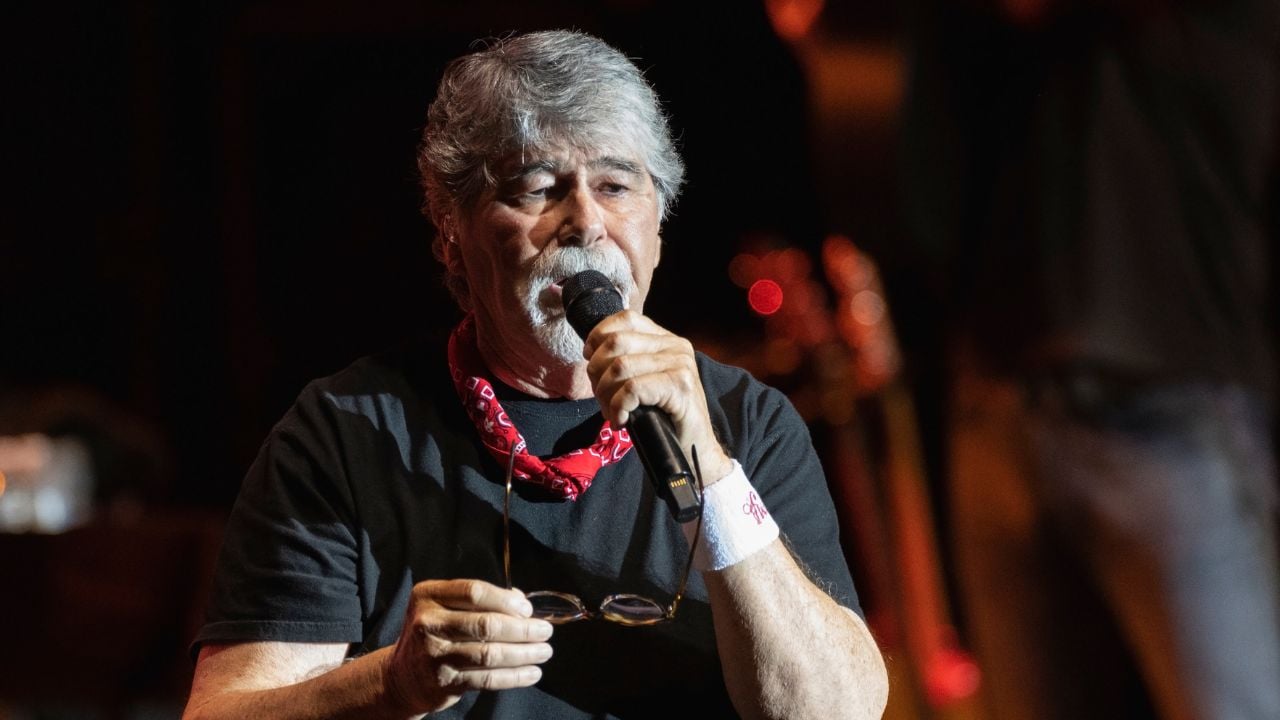
A 73-year-old Nebraska woman believed she had formed a private relationship with Randy Owen, the lead singer of the country group Alabama.
The person messaging her was allegedly an impostor who maintained the relationship for 10 months and repeatedly persuaded her to purchase gift cards.
The woman used money from her Social Security checks, photographed the cards, and sent the images to the person she believed was Owen. By the time the scheme ended, she had lost $39,000.
The Lancaster County Sheriff’s Office said the money is unlikely to be recovered.
The Messages Continued for Nearly a Year
The Waverly woman began communicating with the impersonator in September 2025, according to 10/11 NOW. The contact reportedly continued through June 2026 on messaging applications.
Lancaster County Chief Deputy Ben Houchin described the operation as a high-pressure romance scam built around Owen’s identity. The reports do not explain how the first message arrived, what promises the impersonator made, or whether the woman ever spoke with the person by telephone or video.
Houchin said the real Randy Owen had previously posted a warning about scammers using his identity online. The Lancaster County Sheriff’s Office also warned that celebrities do not privately ask fans to support them through gift cards.
Family Members May Notice the Pattern First
The sheriff’s office encouraged relatives to intervene when they believe a loved one is sending money to an online romantic interest or someone claiming to be a celebrity.
Banks may question repeated or unusual withdrawals, but officials noted that they generally cannot stop an adult customer from accessing and spending personal funds.
That can leave family members in the best position to notice repeated gift-card purchases, secrecy surrounding an online relationship, or urgent requests for additional money.
Officials Say the $39,000 Is Unlikely to Return
The Lancaster County Sheriff’s Office said the woman’s money is unlikely to be recovered. The reports do not identify the person who received the gift-card information or where the balances were redeemed.
Anyone who discovers a similar payment should contact the card issuer immediately and retain the cards and purchase receipts. No arrest or named suspect had been announced when authorities publicized the Waverly case.
Spotting Fake Celebrity Scams
Celebrity impersonators can borrow public photographs, career details, fan knowledge, and familiar details from interviews or social media posts to make an account appear convincing. None of those details proves that the person behind the messages is the celebrity.
The FTC warns that romance scammers create fake profiles, build relationships, and then ask for money through gift cards, wire transfers, payment apps, or cryptocurrency. The FTC also says scammers ask for gift-card numbers and PINs because those details let them take the money quickly.
A celebrity name can make the story feel special, but it can also make verification easier. Fans should compare any private account with the celebrity’s verified public accounts, management contacts, official website, and public scam warnings before responding to a request for money.
Suspected celebrity impersonation, romance fraud, or gift-card scams should be reported to the social media platform, the gift-card issuer, local law enforcement, and the FTC at ReportFraud.ftc.gov.