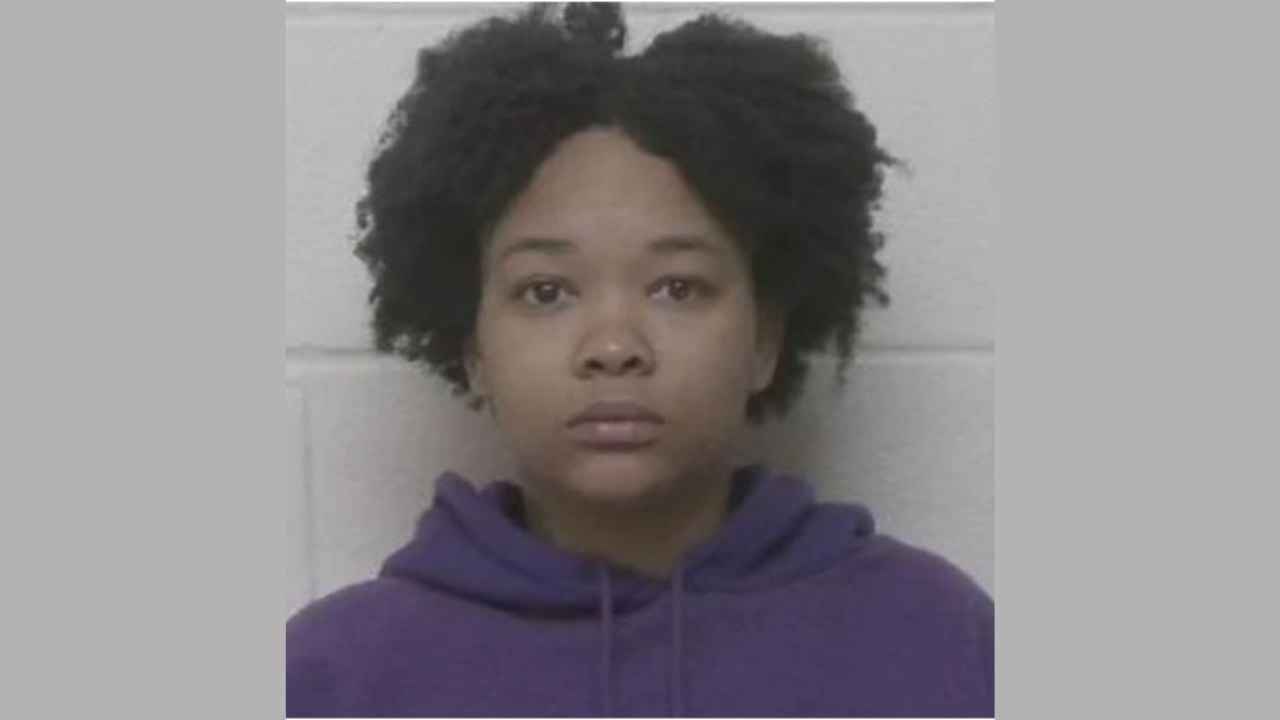
A North Carolina woman who deputies had been searching for since June has been arrested after investigators accused her of passing counterfeit $50 bills at businesses in two counties.
Natesha Lashay Cheeks, 30, is accused of using 15 fake $50 bills to obtain gift cards from a Dollar General in Craven County. Investigators say she used another seven counterfeit $50 bills to load money onto a card at a Dollar General Market in Maysville.
The two transactions detailed by authorities involved 22 counterfeit bills with a combined face value of $1,100.
U.S. Marshals arrested Cheeks in Onslow County on Aug. 24, according to WITN. She was being held without bond after the arrest while facing felony charges filed in both Craven County and Maysville.
Seven More Bills Were Used at a Dollar General Market
The Craven County Sheriff’s Office says Cheeks used 15 counterfeit $50 bills at a Dollar General on Highway 17 in June. Investigators say the bills were exchanged for gift cards. Their combined face value was $750. The transaction became part of an investigation that prompted deputies to publicly seek Cheeks in June.
Records also connect Cheeks to a separate transaction at the Dollar General Market on Main Street in Maysville, which is in Jones County. Authorities say seven counterfeit $50 bills were used there to load $350 onto a card.
The publicly released information does not explain where investigators believe the counterfeit notes came from or identify anyone accused of producing them.
She Was Wanted on the Same Four Felony Charges in Two Jurisdictions
A Craven County Sheriff’s Office announcement published by New Bern Live listed four felony charges against Cheeks in Craven County: possession of more than five counterfeit instruments, uttering a forged instrument, obtaining property by false pretense and conspiracy. Maysville police filed the same four felony charges in connection with the separate transaction there.
The June wanted notice also said Cheeks was on post-release supervision for earlier felony convictions involving possession of counterfeit instruments and obtaining property by false pretense in Brunswick and Wake counties. North Carolina Probation and Parole had an outstanding parole warrant for her at the time of that announcement.
U.S. Marshals Arrested Her in Onslow County
Authorities initially warned that Cheeks might be somewhere in North Carolina or Virginia while asking the public to help locate her. That search ended Aug. 24 when U.S. Marshals arrested her in Onslow County.
WITN reported following the arrest that Cheeks was being held without bond. The new counterfeit-currency and fraud charges remain pending. Cheeks has not been convicted of the conduct alleged in the Craven County and Maysville cases.
Businesses Can Check Cash Before Turning It Into Hard-to-Recover Value
The U.S. Currency Education Program provides security features businesses can use to authenticate $50 notes, including the watermark and embedded security thread. The Federal Reserve cautions that counterfeit-detection pens are not always reliable and recommends relying on the security features built into genuine currency.
Cashiers handling unusually large cash purchases of gift cards or card loads can examine multiple security features rather than relying on a single test. Businesses can also train employees on current and older note designs and establish procedures for transactions involving numerous bills of the same denomination.
If a note appears counterfeit after it has been accepted, the U.S. Currency Education Program directs businesses to follow the Secret Service’s reporting process. The Secret Service says suspected counterfeit currency with useful investigative information, such as a description of the person who passed it or vehicle information, should be reported to local police or a Secret Service field office.
The Federal Reserve recommends keeping suspected counterfeit currency separate from genuine money, recording useful identifying information when it can be done safely and turning the note over to law enforcement. Businesses should also preserve surveillance footage, receipts, gift-card activation records and register information associated with the transaction.