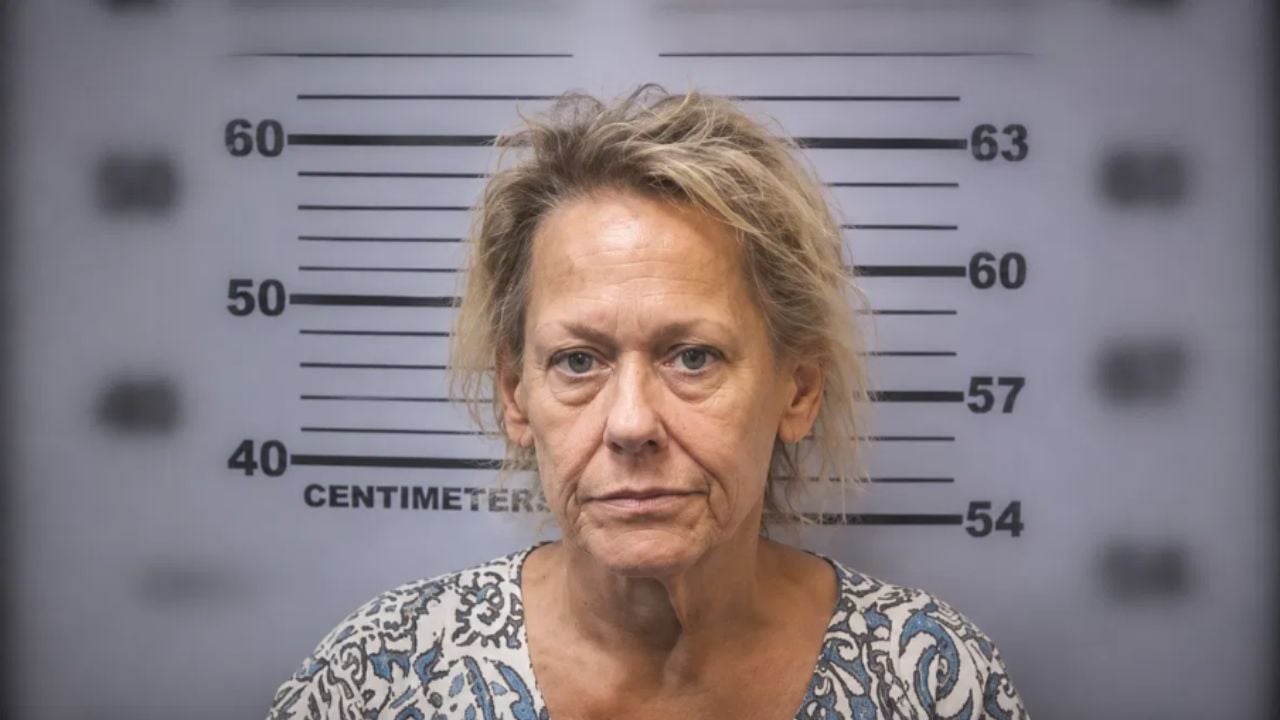
A Texas woman is facing federal charges after investigators say she was tied to more than $820,000 in attempted fraudulent transactions at Regions Bank branches across several states, with more than $400,000 successfully obtained before her arrest in Alabama.
Stephanie Sean Strother, 61, of Dallas, who authorities say also uses the name Stephanie Sean Cummings, was arrested after police were called to a Regions Bank in Saraland on August 26. Investigators say she was attempting to wire $50,000 to an account in Fort Worth while also trying to withdraw about $8,500 in cash.
The woman conducting the transactions presented a Louisiana driver’s license and Social Security card bearing another woman’s identity, according to NBC 15. Police determined that Strother was not the person named on the documents.
Strother is now charged federally with bank fraud and aggravated identity theft. According to an FBI affidavit cited by NBC 15, she told investigators that a person she knew only as “Don” used Telegram to tell her which bank transactions to attempt.
The Saraland Bank Visit Led to Her Arrest
Saraland police responded after bank employees reported the attempted transactions. Authorities say Strother was trying to send the $50,000 wire while also attempting to withdraw approximately $8,500 in cash.
Investigators say she presented a Louisiana driver’s license and Social Security card in another woman’s name. Police determined that she was not the person identified on the documents, and Strother later acknowledged attempting the transactions, according to NBC 15’s account of the federal complaint.
A search of the motel room where Strother had been staying turned up additional driver’s licenses, Social Security cards and credit cards bearing other people’s names, investigators say.
Feds Say More Than $820,000 in Transactions Were Attempted
Federal investigators say Strother was tied to more than $820,000 in attempted fraudulent transactions at Regions Bank locations across several states. More than $400,000 was successfully obtained, according to the federal complaint reported by NBC 15.
The Saraland visit alone involved attempts to move money in two different ways during the same bank visit, with the $50,000 wire destined for a Fort Worth account and an additional cash withdrawal of about $8,500.
The available federal court reporting does not provide a complete list of every bank branch, identity or transaction included in the $820,000 total.
Strother Said ‘Don’ Sent Instructions Through Telegram
According to the FBI affidavit, Strother told investigators that another person, identified only as “Don,” instructed her which banking transactions to attempt.
She said those directions came through Telegram. Authorities have not publicly identified the person referred to as “Don” in the available reporting.
The affidavit, as described by NBC 15, ties those instructions to the broader series of transactions investigators were examining rather than only the attempted wire and cash withdrawal in Saraland.
She Faces Bank Fraud and Aggravated Identity Theft Charges
Strother has been charged federally with bank fraud and aggravated identity theft.
The charges are accusations and have not been proven in court. Strother is presumed innocent unless convicted.
The September 4 report describes her arrest as part of a multistate bank fraud and identity theft case involving hundreds of thousands of dollars in successful transactions and more than $820,000 in attempted activity.
What to Do If Someone Uses Your Identity at a Bank
Someone who discovers a withdrawal, transfer or account activity they did not authorize should contact the financial institution’s fraud department immediately. The Federal Trade Commission’s IdentityTheft.gov recommends telling companies where fraud occurred, asking them to close or freeze affected accounts when appropriate and changing account passwords, logins and PINs.
Identity theft victims can also place a fraud alert on their credit reports and review their reports for accounts they do not recognize. A credit freeze offers stronger protection against new accounts being opened because it prevents prospective creditors from accessing the frozen credit report. Freezes must be placed separately with Equifax, Experian and TransUnion.
IdentityTheft.gov allows victims to create an FTC Identity Theft Report and receive a recovery plan tailored to the information that was misused. The report can also help when disputing fraudulent accounts or asking credit bureaus to block information resulting from identity theft.
Anyone whose driver’s license or other identification has been used by someone else should preserve copies of suspicious transactions, bank notices and other records connected to the fraud. IdentityTheft.gov also advises victims to contact the appropriate issuer when identification documents or account information have been compromised.