
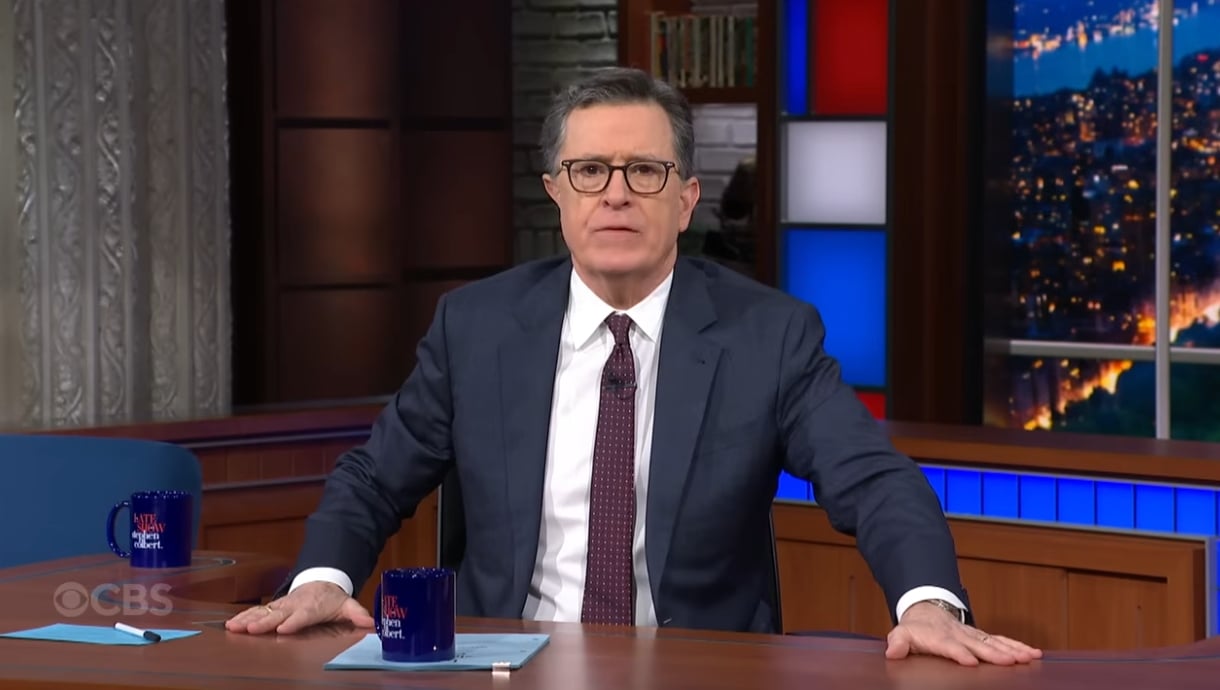
When Stephen Colbert walked out onto the stage of The Late Show this week, he opened with a line most viewers weren’t expecting: a political controversy involving his own network, broadcast rules, and a Texas state representative’s U.S. Senate campaign.
On February 16, 2026, Colbert revealed that an interview he recorded with James Talarico, who’s running in the Democratic primary for U.S. Senate, was not aired on CBS due to legal concerns tied to federal broadcast regulations. Instead, the conversation found a home on YouTube, reached a bigger audience (over 5 million views), and sparked a broader debate about media, politics, and censorship in the modern era.
Are you a political junkie, a late-night fan, or just curious how TV and law intersect? This story packs history, nuance, and a few twists most people aren’t talking about yet.
What Colbert Says Happened And What CBS Says
Colbert’s version, delivered on The Late Show with Stephen Colbert, was theatrical, blunt, and classic Colbert: network lawyers allegedly “told us in no uncertain terms that we could not have him [Talarico] on the broadcast” because airing it might trigger the Federal Communications Commission’s “equal time” rule.
That rule, part of the 1934 Communications Act, requires broadcast stations to provide equivalent airtime to all political candidates in the same race if one is featured. Late-night and daytime talk shows had historically been exempt because they were considered news or information programming.
Colbert explained that after the FCC, under Trump-appointed Chairman Brendan Carr, issued new guidance suggesting talk shows might not qualify for that exemption, CBS became wary of running afoul of the rule. According to Colbert, his own network’s lawyers said he couldn’t air Talarico and couldn’t even mention the canceled interview, which only prompted him to bring it up on air anyway.
In response, CBS pushed back. The network told reporters it did not outright ban the interview, but instead provided “legal guidance that the broadcast could trigger the FCC equal-time rule for two other candidates” in the race, including Rep. Jasmine Crockett, and presented options for how equal time could be fulfilled before running the segment. CBS said The Late Show chose to post the interview online rather than adapt it for broadcast.
So, right from the outset, there are two narratives: one portraying the network as capitulating to legal fears, and another framing it as a cautious, rule-aware decision that still allowed the interview to reach audiences online.
What Is the “Equal Time” Rule Anyway?
To understand why this matters, you need a short history lesson. The equal time rule was designed in the 1930s when broadcast airwaves were a limited public resource. It ensures that if a station gives airtime to one legally qualified candidate for office, opposing candidates can request comparable time; broadcasters can’t just favor one voice over others during elections.

Traditionally, interviews on late-night talk shows and news programs were exempt because they were seen as bona fide informational content rather than partisan political ads. That’s why a 2006 ruling allowed interviews on The Tonight Show and similar programs to proceed without triggering equal time. But this guidance has been quietly revisited, and the FCC’s new interpretation suggests those exemptions may no longer apply automatically.
Here’s the twist most viewers miss: no formal FCC order or enforcement action requiring immediate change has been publicly documented yet. It’s more of a proposed shift in interpretation, and individual networks are already reacting. That means broadcasters are making choices out of fear of potential penalties, not because of confirmed legal mandates.
Why This Became a Political Flashpoint
Colbert didn’t just report a legal squabble; he turned it into a broader accusation of political censorship. He directly called out FCC Chair Carr and the Trump administration, suggesting the guidance was politically motivated and aimed at chilling speech on major broadcast platforms. He even joked, “FCC you,” framing the moment as a kind of stand for free expression.
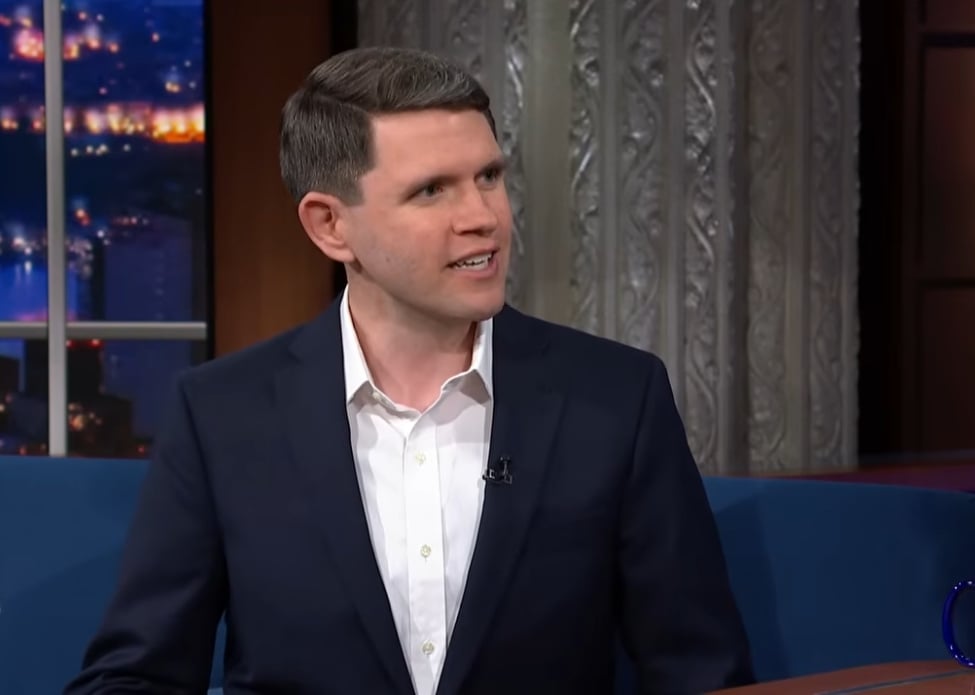
Talarico made his own statement in the released interview, saying “Donald Trump is worried that we’re about to flip Texas,” and asserting that attempts to limit his media exposure were part of broader efforts to control narratives and public information.
Meanwhile, FCC Commissioner Anna M. Gomez, the lone Democrat on the commission, criticized CBS’s decision as “corporate capitulation” to political pressure, calling out the idea that broadcasters would censor content simply because of regulatory anxiety. She emphasized that the FCC has no lawful authority to force networks to suppress content for political reasons and that broadcasters retain First Amendment rights to decide what they air.
So even the watchdog tasked with overseeing broadcast regulation has called the move questionable, suggesting a tug-of-war between freedom of expression and conservative regulatory interpretation.
Is This Really Censorship Or Just Caution?
Before you choose sides, it’s worth walking back from the headlines and asking: Is this censorship, or just smart legal caution?
Networks have to balance several competing realities: The FCC’s equal time rules were written in an era before social media and streaming. Broadcast stations still operate on “public airwaves,” and violating the rule can lead to high-stakes complaints.
CBS is in the midst of massive corporate mergers, such as a multibillion-dollar deal with Skydance Media that required FCC approval, creating pressure to avoid regulatory conflicts. From this perspective, CBS’s move isn’t necessarily a capitulation to politics; it may simply be a risk management decision. Legal teams often counsel caution to avoid fines or litigation when the rules are ambiguous.
But that’s precisely what makes this moment so interesting. When long-accepted exemptions suddenly become uncertain, institutions lean forward or backward, and when big grown-ups play legal chicken, public discourse gets caught in the middle.
There’s also a broader point about the media ecosystem: talk shows have increasingly served as platforms for serious political conversation, especially in election years. If those platforms shrink from hosting candidates for fear of regulatory backlash, it affects how voters hear from people running for office.
What Most People Don’t Know Yet
CBS didn’t bar the interview from every platform. Colbert simply moved it online. And in doing so, he may have expanded its reach, since millions of viewers watch clips on YouTube and other social platforms beyond the typical late-night TV audience.
The FCC’s proposed shift affects more than Colbert’s show. Daytime talk shows like The View are reportedly also under scrutiny for candidate appearances, meaning this could reshape broadcast talk show politics more broadly.
Equal time isn’t a full prohibition, but a logistical challenge. If CBS had aired Talarico, they might have had to offer airtime to other candidates as well, such as Jasmine Crockett, which can be complicated on a show with limited broadcast time.
These nuances matter because they show this isn’t a simple case of “political censorship” or “free speech violation.” It’s a structural and legal puzzle in an era when traditional broadcast rules collide with digital reality.
So What Happens Next?

For now, the interview is online, the conversation is spreading, and the FCC’s rules remain under scrutiny. Politicians from both parties have weighed in on free speech concerns, broadcast obligations, and how media regulation intersects with political campaigns.
This episode may prompt a closer look at broadcast rules that haven’t been thoroughly updated since the 20th century. It raises questions about how political discourse should be handled on platforms that blend entertainment, news, and social commentary, and how audiences can hear diverse voices in a crowded media landscape.
Most importantly, it reminds us that the story isn’t always just about what comes from the airwaves. It’s about why, and who gets to decide.
And in this case, the answer still feels a little murky.