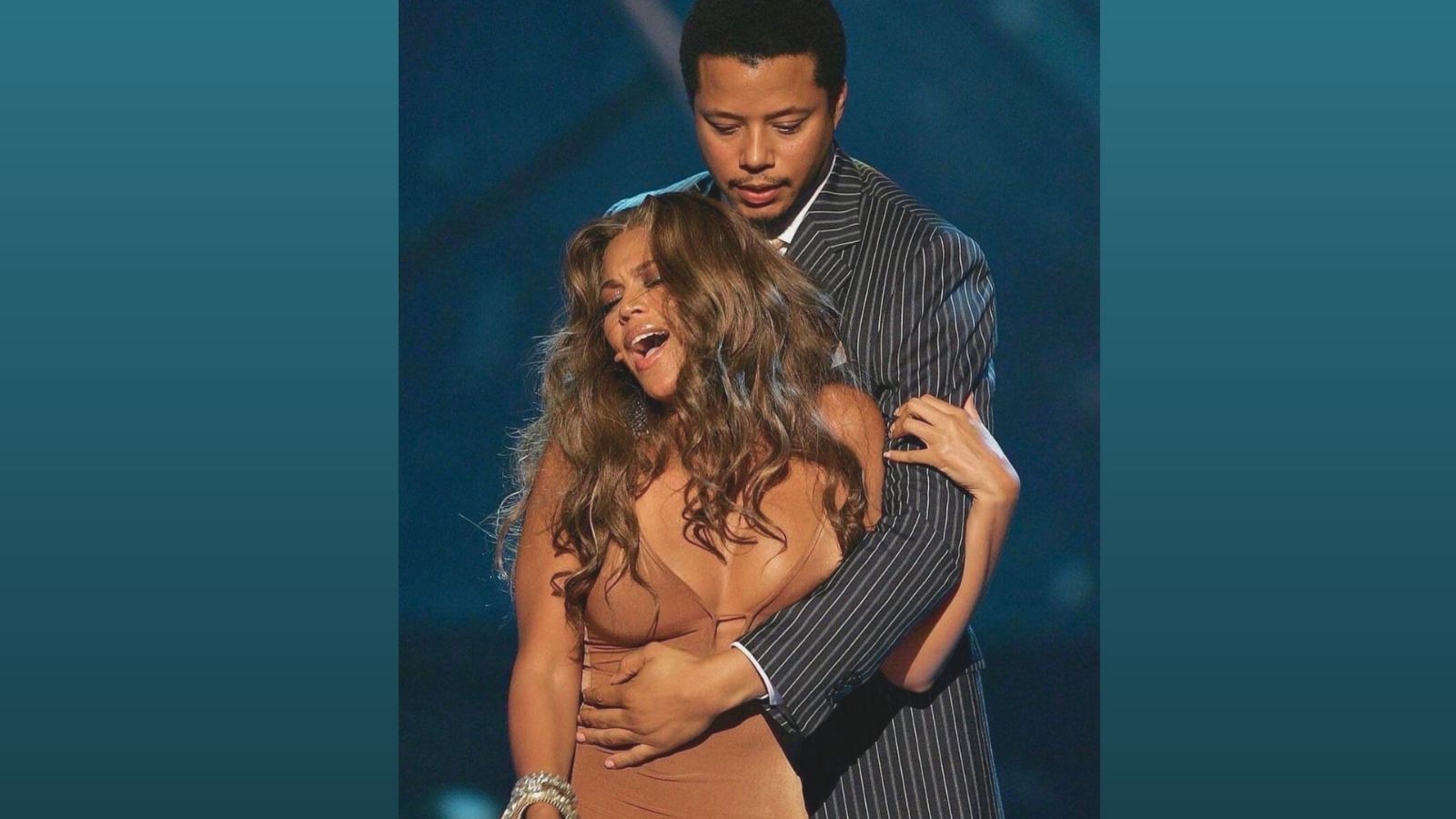
Terrence Howard is making some bold new claims about his past with Beyoncé, and the internet is having a field day. During a recent chat on the PBD Podcast with Patrick Bet-David, the actor alleged he once turned down “a chance” to date the superstar during her early years with Destiny’s Child.
The story has sparked immediate skepticism online, with fans quickly doing the math on a twelve-year age gap. Howard claims a mutual attraction existed “very, very long ago,” but he chose to pursue a different member of the group instead.
According to Howard, he and the future legend “had a conversation” and a real opportunity to date before her Jay-Z era began. He told host Patrick Bet-David that he ultimately stepped back to focus on his own values rather than Hollywood “hookup culture.”
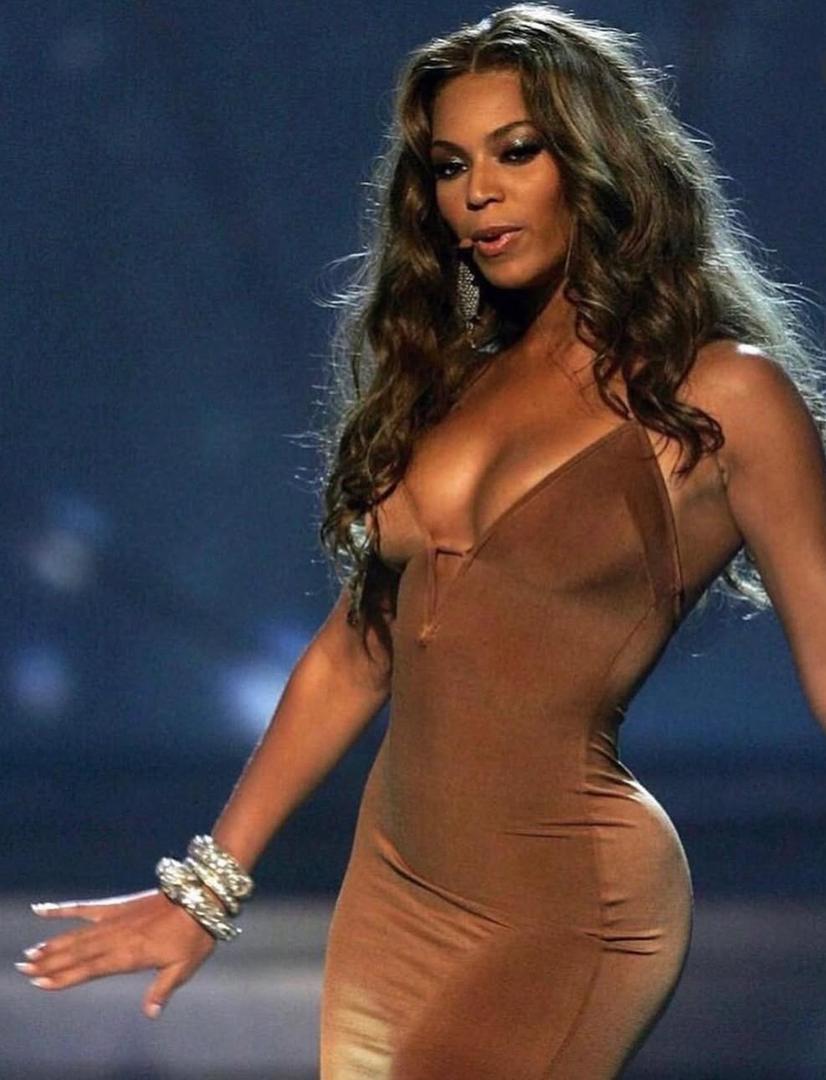
The actor claims his romantic interests were actually directed toward “the girl with the blue eyes.” This specific detail has sent social media into a frenzy of detective work, with many pointing toward former member Farrah Franklin.
While The Root notes this identification is pure fan speculation, Howard never officially named the woman in his interview. He did, however, connect this old story to the 2005 BET Awards “Cater 2 U” performance.
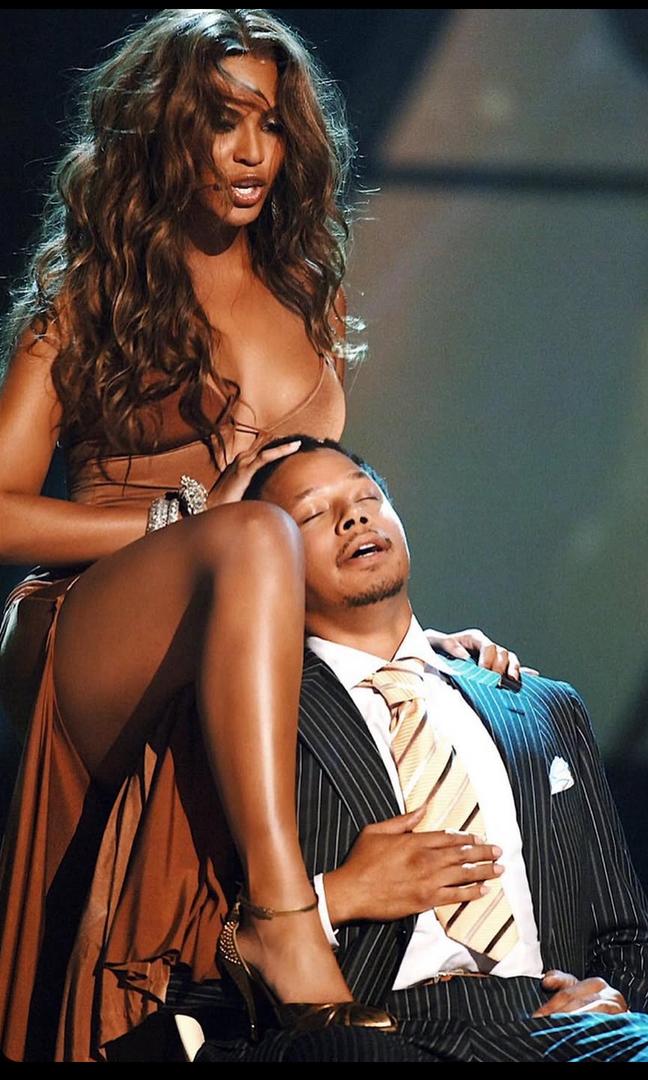
In Howard’s version of events, that iconic onstage chair dance was a deliberate act of “payback.” He suggests Beyoncé picked him for the routine to show him exactly what he had passed up years prior.
When Vague Timeline Meets Modern Scrutiny
The lack of specific dates in this story has led many observers to question the power dynamics at play. Howard was born in 1969, making him around thirty during the peak of the “Say My Name” era.
Beyoncé, born in 1981, was about eighteen or nineteen at the time. If their supposed “moment” had happened any earlier than 1999, she would have been a legal minor while he was an established adult.
Social media users have been quick to highlight this discrepancy. Many TikTok commenters are calling the revelation “cringe” and questioning why an older actor would seek a “chance” with a teen star.
Because Howard only uses vague markers like “early on,” there is no way to verify the setting of these alleged flirtations. Without corroboration from Beyoncé or her team, the story remains a one-sided account resting entirely on Howard’s memory.
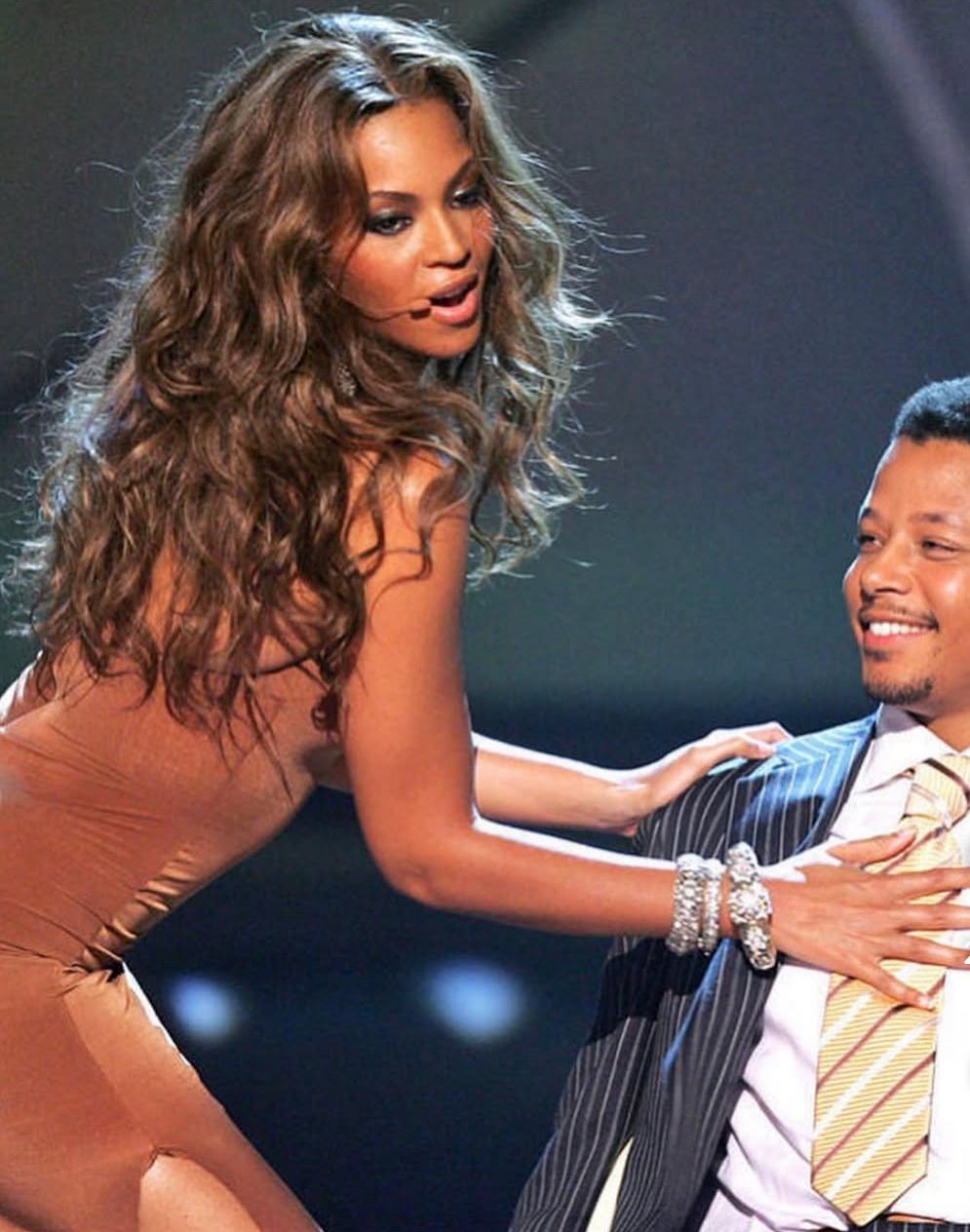
The Root reports that the public reaction has been largely dismissive. Many fans point out that a young star of her caliber was likely focused on her career rather than a man twelve years her senior.
No third-party witnesses or industry peers have come forward to back up the idea that a romantic pursuit was ever on the table. This silence leaves a significant gap between Howard’s personal narrative and the group’s documented history.
The Reality of High-Stakes Award Show Production
One of the most cinematic parts of Howard’s claim is his belief that the 2005 BET performance was a personal message. He suggests that Beyoncé used the “striptease” dance style to demonstrate her star power as a form of revenge.
In reality, televised award shows are massive technical undertakings. Every single second is planned by producers, choreographers, and stage managers weeks in advance.
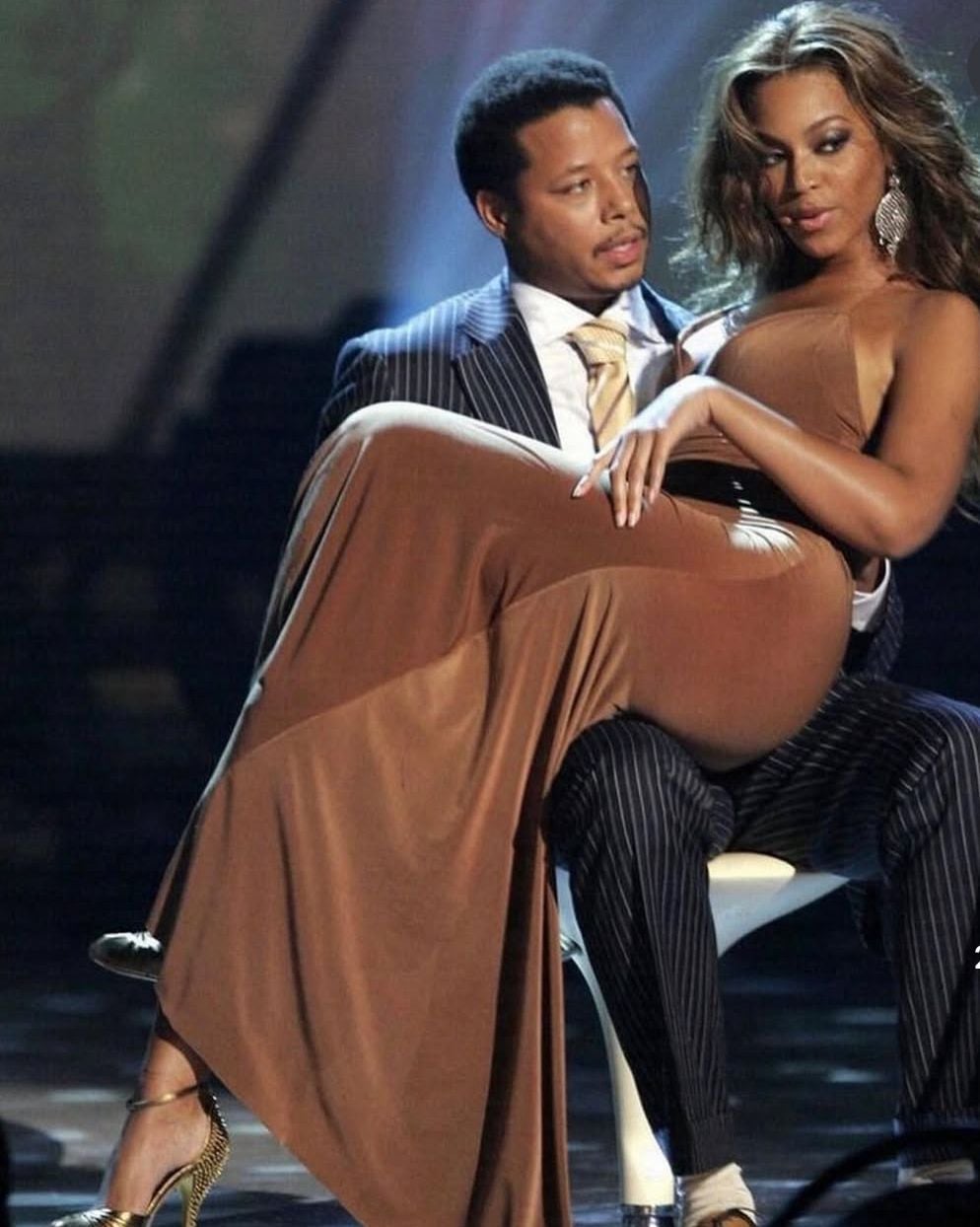
The performance featured Howard alongside other celebrities like Nelly and Magic Johnson. These stars were seated in specific locations to accommodate lighting rigs and camera angles.
There is no evidence from BET or the creative team that these participants were chosen for personal reasons. The selection was likely a standard production decision, given their high-profile status in the industry.
The idea that a performer would use a high-pressure live set to settle a secret romantic score is a bold theory. It reflects what some might call “main character syndrome,” turning a professional routine into a private drama.
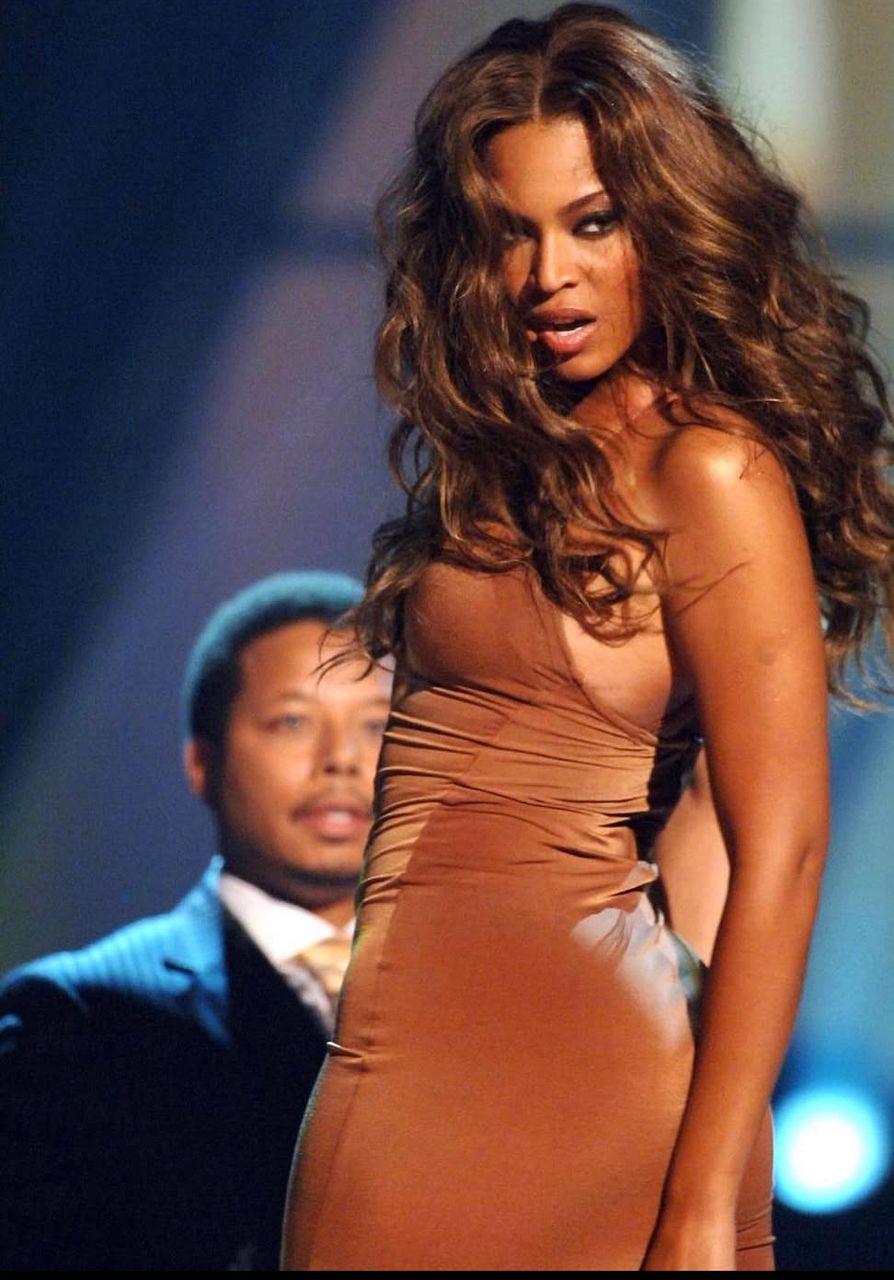
None of the production staff or backup dancers has ever suggested the casting was anything other than a standard booking. Howard is applying a personal gloss to a moment that was likely just another day at the office for Beyoncé.
Collateral Damage and the Mystery Bandmate
The mention of a “blue eyed” group member has created an unexpected burden for former singers no longer in the spotlight. By using a physical descriptor rather than a name, Howard launched a digital search that landed on Farrah Franklin.
This type of storytelling often forces private individuals back into the gossip cycle without their consent. Franklin’s history is now being parsed by strangers trying to validate Howard’s anecdote.
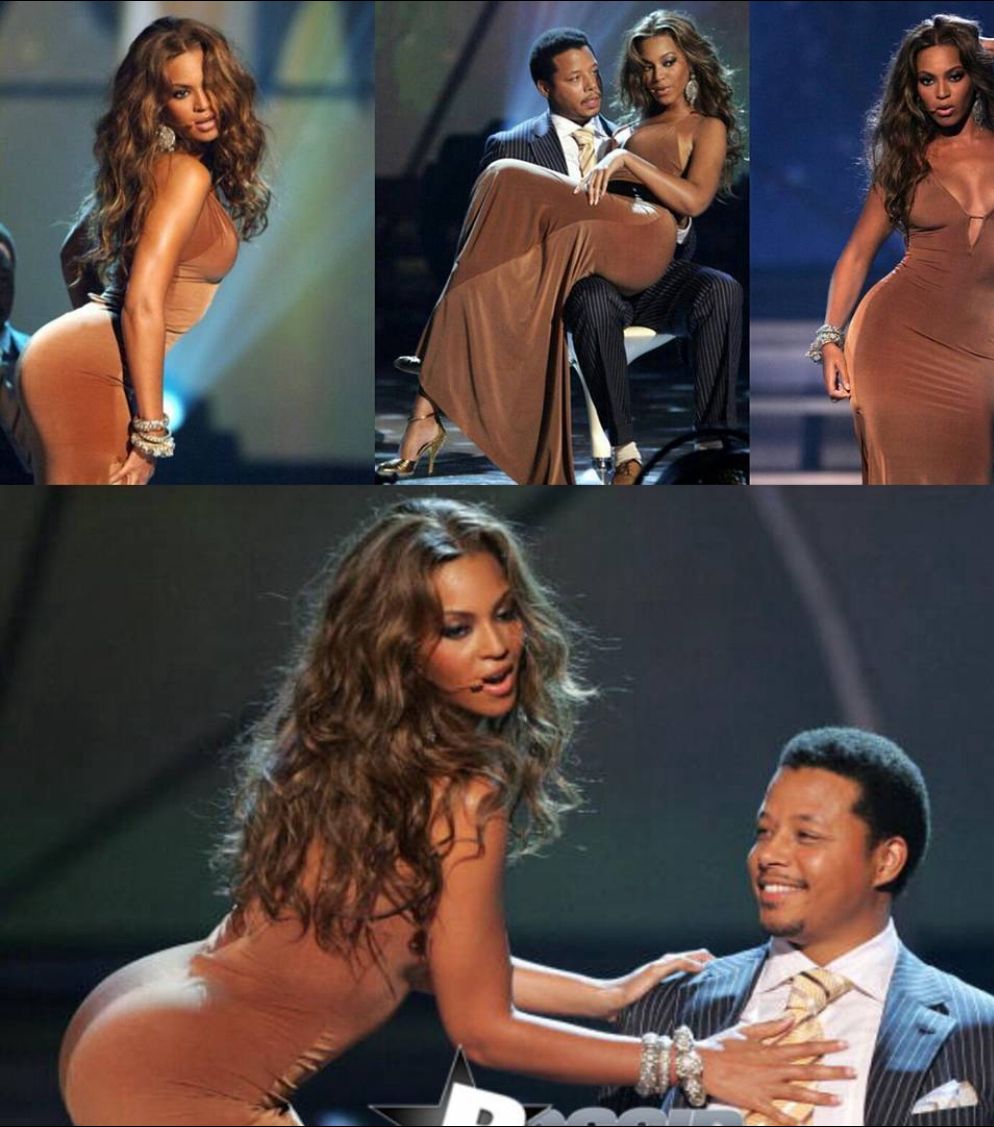
The “unnamed third party” problem is a recurring theme in viral celebrity interviews. The speaker gets the views, while the subject gets the unwanted scrutiny.
Even if the actor believed he was protecting someone by not using a name, the specific detail made anyone who fit the description a target. Without a confirmed identity, the story exists in a vacuum of “he said.”
It leaves the audience wondering if the “other girl” would even remember the interaction the same way. This creates a lopsided history where one person’s version becomes the primary record because they have the microphone.
The fascination with this story says more about our obsession with the early twenty-first century than the actual facts. As long as these “almost” romances surface on podcasts, the public will likely meet them with a blend of humor and heavy skepticism.
Questions remain about why these stories emerge decades later. It is a strange look back at a time when women were often defined by the men who claimed to have a “chance” with them.