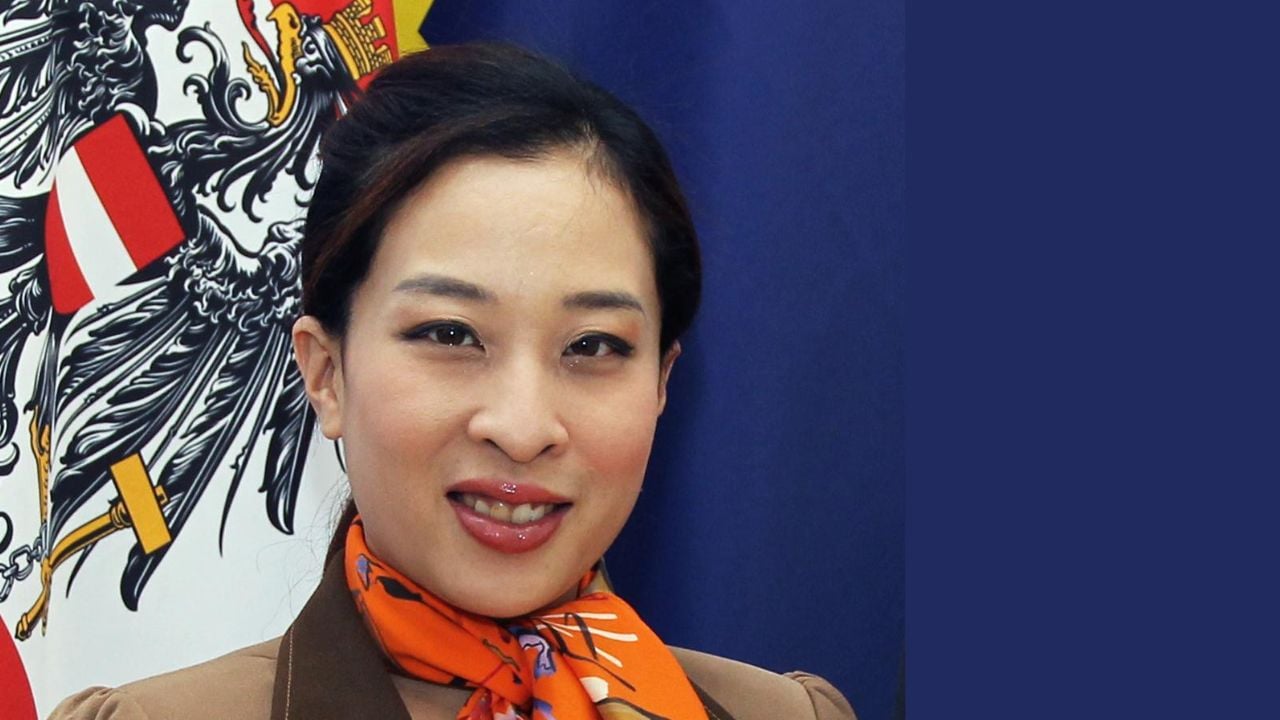
Thailand’s Princess Bajrakitiyabha Mahidol, the eldest child of King Maha Vajiralongkorn, has died after more than three years in a coma. She was 47.
The Bureau of the Royal Household announced that the princess died Thursday evening, June 11, at King Chulalongkorn Memorial Hospital in Bangkok, according to People. Known in Thailand as Princess Bha or Princess Pa, she had been hospitalized since December 2022, when she lost consciousness during a military dog-training event in northeastern Thailand.
Her death ends the life of one of Thailand’s most visible royal figures outside the ceremonial sphere. Bajrakitiyabha was a lawyer, diplomat, public prosecutor, United Nations goodwill ambassador, and advocate for women in the justice system.
Her public work included Kamlangjai, or “Inspire,” a project supporting incarcerated Thai women before release, and international advocacy tied to the Bangkok Rules, the U.N. standards focused on women prisoners and non-custodial measures for women offenders.
The Palace Cited Medical Complications After Years in Hospital
Reuters reported that Bajrakitiyabha was hospitalized in December 2022 after losing consciousness because of a heart condition while visiting Nakhon Ratchasima province. She was flown by helicopter to Bangkok for treatment and remained in a coma as the royal family issued only rare updates on her condition.
The palace said her condition worsened because of complications that included an intra-abdominal infection, colitis, low blood pressure, arrhythmias, and blood-clotting disorders, according to Reuters. People reported that earlier palace updates described severe infections, unstable vital signs, and support from medical devices for her lungs and kidneys.
Mourners Gathered Outside the Bangkok Hospital
The announcement brought mourners to King Chulalongkorn Memorial Hospital, where the princess had been treated for more than three years. The Associated Press reported that people gathered with framed and laminated photos of Bajrakitiyabha after news of her death, and one mourner told the outlet she had hoped for a miracle.
The Guardian reported that mourners dressed in black sat outside the hospital holding portraits of the princess, while signs of mourning appeared around Bangkok. Reuters reported that the Royal Palace will hold funeral rites and that Thailand’s government is expected to declare a period of national mourning.
She Built a Career in Law and Diplomacy
Bajrakitiyabha was born on Dec. 7, 1978, to Vajiralongkorn, then Thailand’s crown prince, and Princess Soamsawali. AP and People reported that she studied law at Thammasat University before earning both a master’s degree and doctorate in law from Cornell University.
She worked briefly at Thailand’s mission to the United Nations in New York, then returned to Thailand and served as a public prosecutor. She later served as Thailand’s ambassador to Austria, Slovenia, and Slovakia from 2012 to 2014, and Reuters reported that she also held the rank of general and served in the Royal Security Command.
Her Justice Work Reached the United Nations
Bajrakitiyabha’s public legacy was closely tied to criminal-justice reform, especially the treatment of women prisoners. AP reported that she was known for Kamlangjai, or “Inspire,” a project created to support incarcerated Thai women before their release.
The United Nations Office on Drugs and Crime appointed her as Goodwill Ambassador on the Rule of Law for Southeast Asia in 2017. AP reported that she helped advance the Bangkok Rules, and UNODC said after her death that her work left “a lasting legacy benefitting generations of women around the world.”
Her Death Draws New Attention to Thailand’s Succession
Bajrakitiyabha’s death also returns attention to Thailand’s royal succession, a sensitive subject inside the country. King Maha Vajiralongkorn has not officially named a successor, and AP reported that Prince Dipangkorn Rasmijoti, the king’s youngest child, is the presumptive heir because sons take precedence in Thailand’s succession system.
Bajrakitiyabha had not been officially named heir, but her public-service record and royal role had fueled speculation that she could have held an important future position, including as regent. Prime Minister Anutin Charnvirakul described her death as a national grief, according to AP, and said her work for justice, equality, and human dignity would remain part of Thailand’s moral legacy.