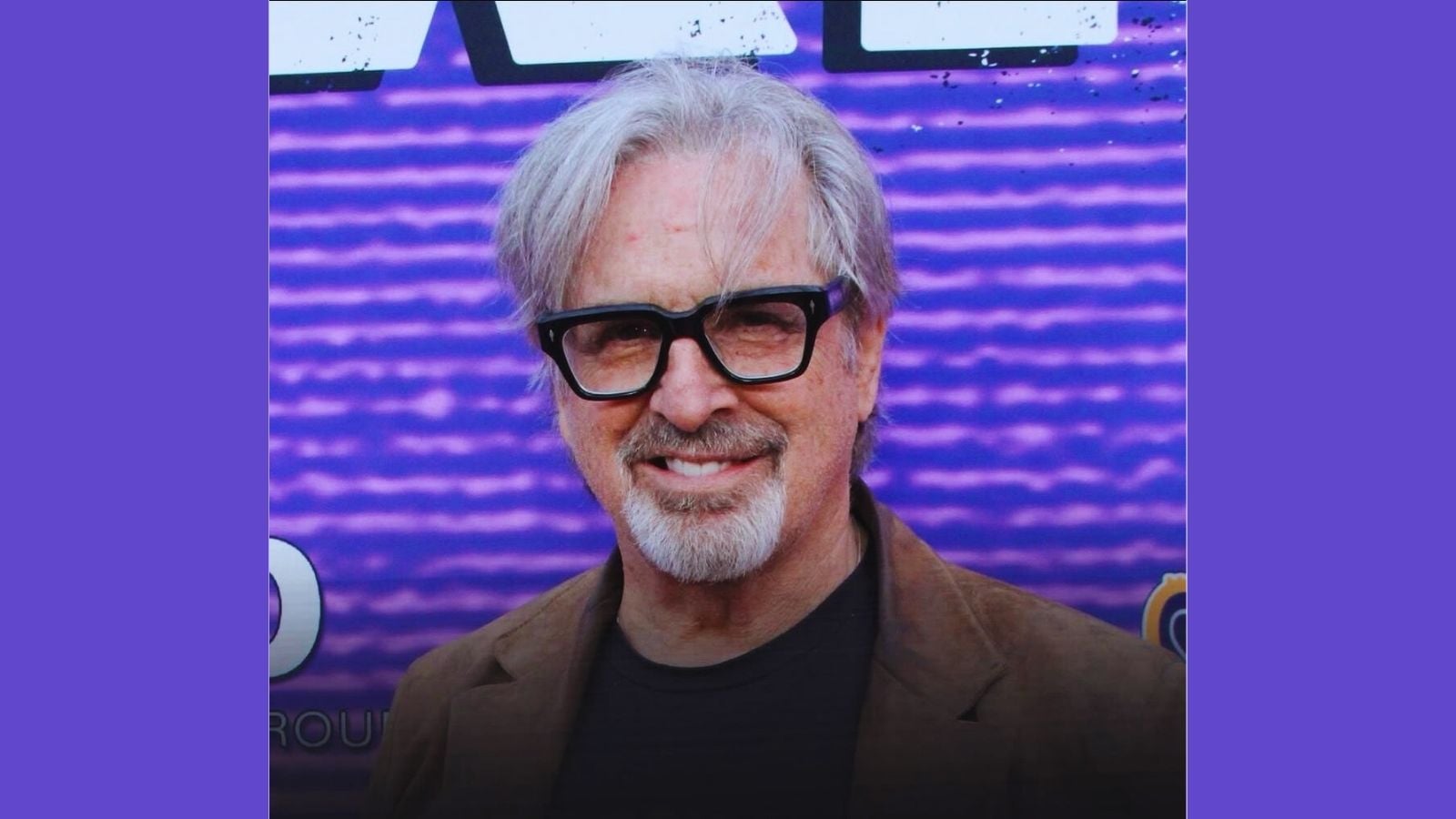
Robert Carradine, the veteran actor who became a cultural icon for his portrayal of the ultimate 1980s underdog, has died at age 71 in a confirmed suicide that his family links to a nearly twenty-year battle with bipolar disorder. The news, confirmed by outlets including Deadline and CNN in February 2026, has sent ripples through Hollywood as his relatives choose to speak with rare transparency about mental health to dismantle public stigma.
This move marks a significant shift for a storied acting dynasty, especially considering that research shows bipolar disorder is associated with an elevated suicide risk, where an estimated 20 percent or more of individuals die by suicide. By sharing his story, the Carradine family is turning a moment of private grief into a public call for empathy and awareness.
In a statement provided to Deadline, his family described the performer as a beautiful soul who acted as a beacon of light to everyone around him. They were remarkably open about his passing, noting they want to acknowledge his valiant struggle against his nearly two-decade battle with bipolar disorder.

His brother, Keith Carradine, has been especially vocal about the decision to be explicit regarding the circumstances, stating that “there is no shame in it” and that he wishes to celebrate Robert for his spirit. Keith shared that the family finds comfort in remembering his humor, his wisdom, and the deep acceptance he showed toward others throughout his life.
A Career Built on Heart and Humor
Robert Carradine was born on March 24th, 1954, as the youngest son of John Carradine, entering a family already synonymous with the golden age of cinema. His early work saw him sharing the screen with legends like John Wayne in “The Cowboys” and appearing in the Martin Scorsese classic “Mean Streets”.
However, he truly captured the national imagination in 1984 as Lewis Skolnick in “Revenge of the Nerds”, a role that defined the nerd archetype for an entire generation.
Rolling Stone notes that the film remains one of the most recognizable comedies of its era, and Robert reprised the character in three successful sequels that solidified his status as a comedic mainstay.
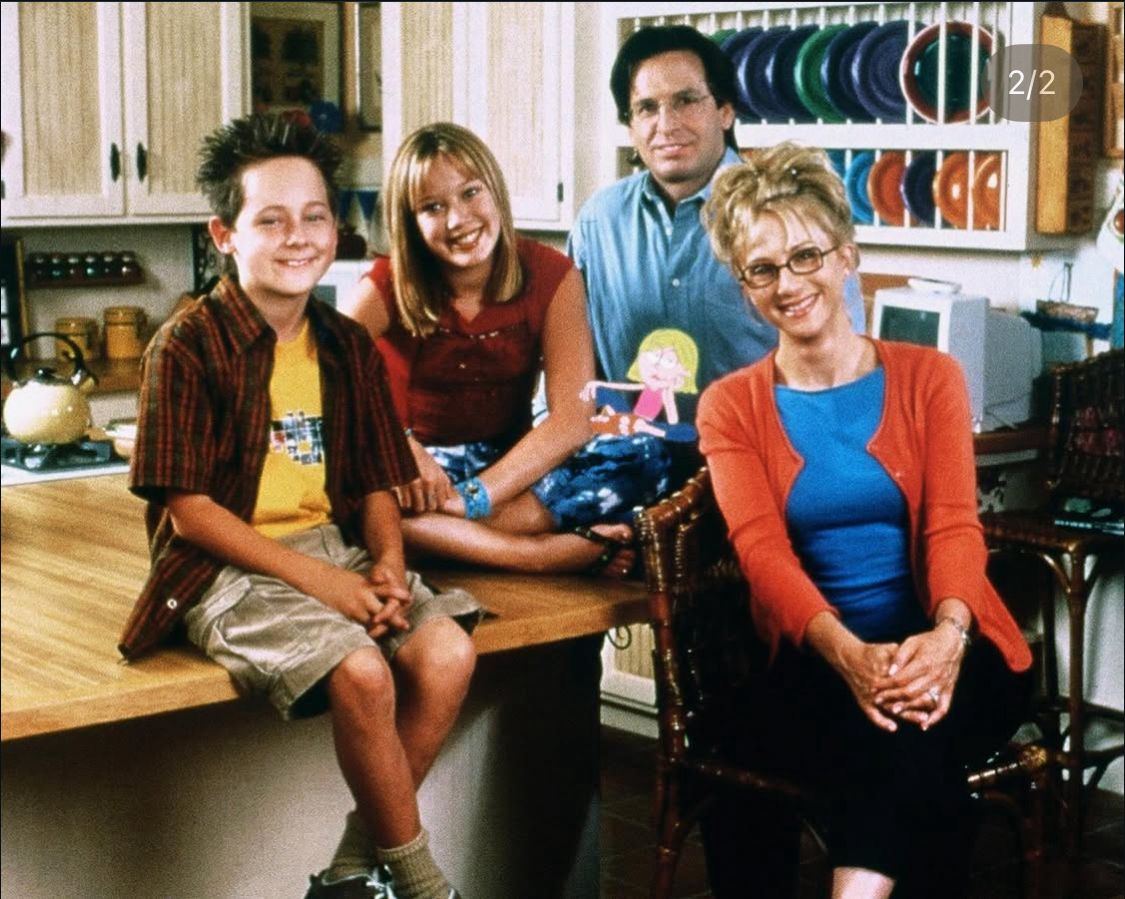
For millennial audiences, he was better known as the warm and supportive Sam McGuire on the Disney Channel series “Lizzie McGuire”. This role allowed him to showcase a fatherly side that resonated with millions of young viewers in the early 2000s, proving his versatility beyond his teen-comedy roots.
His filmography is a sprawling map of Hollywood history, including the Western drama “The Long Riders”, where he starred alongside his real-life brothers David and Keith. Throughout his fifty-year career, he maintained a steady presence in the industry, often balancing high-energy comedy with grounded dramatic performances in films like “Coming Home”.
The Guardian reports that Robert’s mental health was significantly impacted by the 2009 death of his half-brother, David Carradine, in Thailand. Robert previously noted that the loss of David worsened his own struggles and occurred shortly before his own bipolar diagnosis.
This timeline of nearly twenty years of illness includes a 2015 car incident that involved his then-wife in Colorado, which Robert later described in court documents as having occurred while he was in a psychotic state. These details, now shared by his family and documented in media reports, highlight the long-term challenges he managed while continuing to build a celebrated professional legacy.
A New Standard for Hollywood Candor
The decision to publicly name bipolar disorder as a factor in his death represents a departure from how many legacy families handle such tragedies. When David Carradine passed away in 2009, the family initially pushed back against suicide claims and sought a second autopsy.
In 2026, the family is taking a different path by stating they hope his journey can shine a light on the importance of confronting the stigma surrounding mental illness.
Keith Carradine emphasized this shift by stating that the family wants people to recognize the reality of the condition to help others who might be suffering in silence.

Colleagues have joined the family in honoring his memory, with co-host Richard Gabai telling Rolling Stone that Robert was the kindest and funniest person one could hope to meet. Gabai expressed that he was fortunate to have known him and would miss his friend profoundly.
These tributes paint a picture of a man who was deeply respected by his peers for his character as much as for his talent. Major outlets have also been careful to follow reporting guidelines, focusing on his life and his family’s message of awareness rather than detailing the specific methods of his death.
Public health data suggests that the family’s openness could have a positive impact, as stigma is widely recognized as a major barrier to seeking treatment for mood disorders. By centering the conversation on his valiant struggle, the Carradine family is aligning with best practices that encourage focusing on help-seeking and the illness itself.
The reporting across entertainment media has mirrored this respectful approach, prioritizing the cultural impact of his career and his family’s wish to help others. This collective effort highlights a growing trend in the industry toward treating mental health with the same seriousness as physical health.
Honoring a Multi-Generational Impact
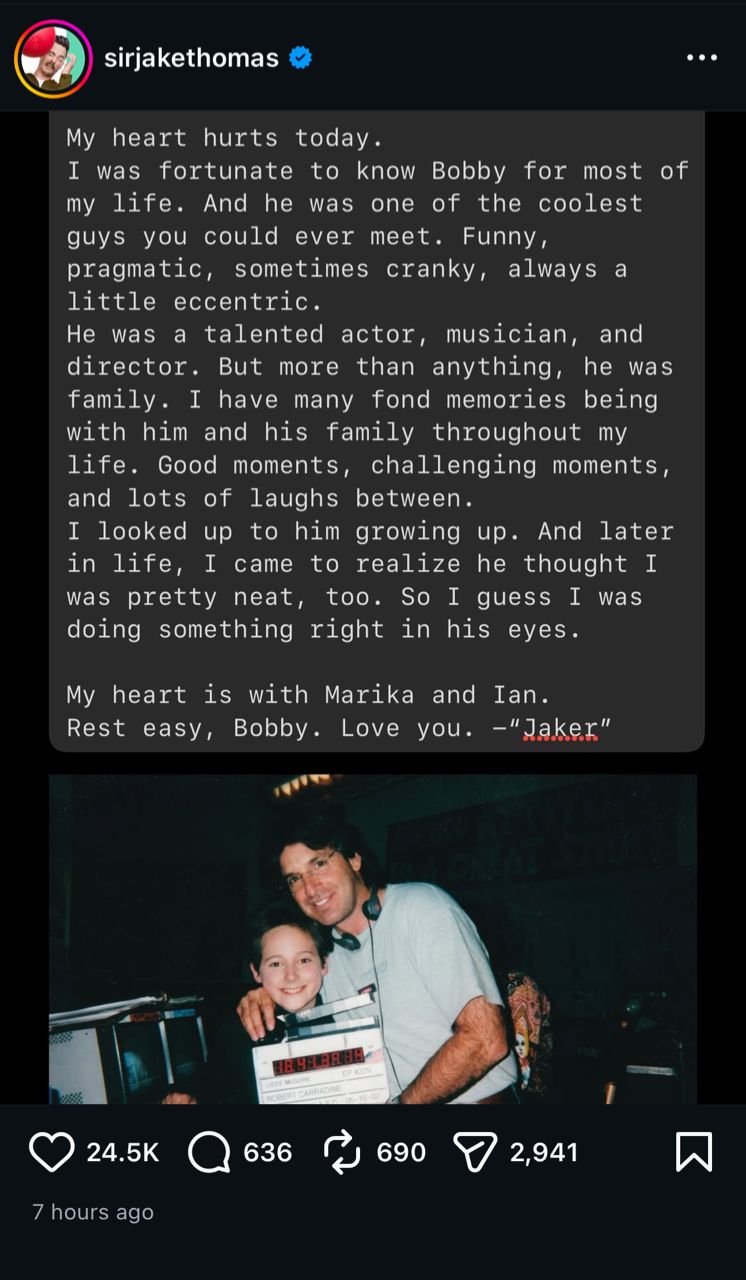
official Instagram page, via Instagram.com. Used under fair use for editorial commentary.
Robert Carradine leaves behind a legacy that is both deeply personal and widely influential across different eras of entertainment. He was a performer who could adapt to any setting while maintaining authenticity, from the grit of 1970s filmmaking to the family-friendly world of Disney.
His family’s request for privacy comes with the hope that his story will encourage a more compassionate conversation about mental illness in the public square.
They have invited fans to remember him not just for his roles, but for the wisdom and humor he brought to his everyday life. As Hollywood reflects on his passing, the focus remains on the strength required to manage a chronic condition like bipolar disorder while working in the high-pressure environment of show business.
His journey serves as a reminder that even those who provide the most comfort and laughter to others may be fighting intense internal battles.
The Carradine family’s decision to speak out ensures that his final contribution to the industry is one of advocacy and truth. By breaking the silence, they are helping to create a future where mental health is discussed without shame, ensuring that Robert’s spirit continues to inspire well beyond his time on screen.