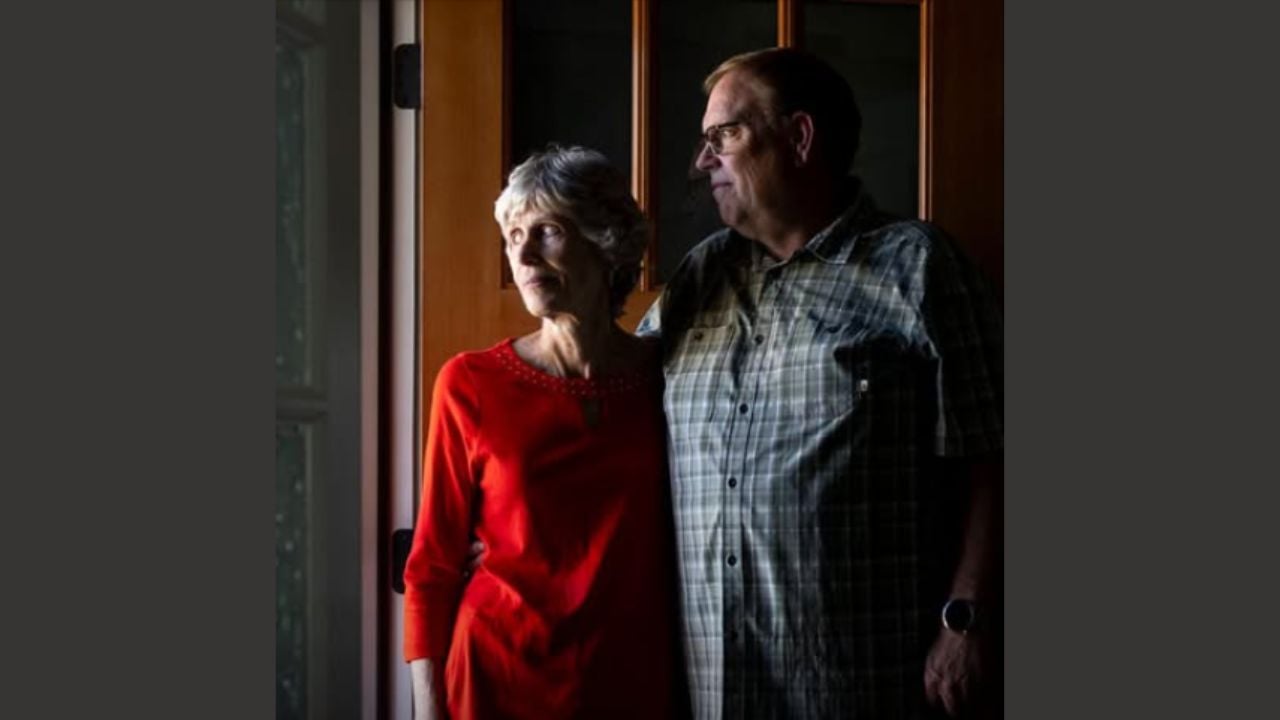
A West Michigan couple preparing to close on a condo sent $66,000 to a scammer after receiving communications that appeared to come from the mortgage professional they had been working with for weeks.
Brian and Wendy were targeted during the final stages of the purchase, according to CNN. The email looked legitimate, the incoming telephone number matched a familiar contact and the person speaking sounded like the lender Brian recognized.
Brian believed he was confirming genuine wiring instructions and sent the couple’s closing funds to the account provided. Instead, the money went to criminals in a real estate wire fraud scheme that fraud prevention company CertifID says involved AI voice cloning and spoofed communications.
The case reflects a growing problem for homebuyers as criminals combine techniques traditionally used in business email compromise with synthetic audio. The FBI recorded 22,364 complaints containing references to artificial intelligence in 2025, with adjusted losses exceeding $893 million.
The Scam Was Discovered on Closing Day
The fraud came to light when the title company contacted Brian and Wendy on the morning of the closing to confirm that they would bring the required certified funds. The sellers were already traveling from another part of Michigan for the transaction.
Brian believed the payment had been completed several days earlier. The call from the title company revealed that the $66,000 he had wired had never reached the people handling the legitimate closing.
CertifID later reviewed the case with the couple. The company said the fraudulent email looked authentic, the telephone number appeared correct and the caller sounded like the mortgage professional Brian already trusted.
Voice Cloning Adds Another Layer to Real Estate Wire Fraud
Real estate wire scams have long relied on compromised or spoofed email accounts. Criminals monitor a transaction, learn who is involved and send altered wiring instructions at a point when the buyer expects to move a large amount of money.
AI can now add a convincing voice conversation to that approach. The FBI’s 2025 Internet Crime Report specifically identifies voice cloning as a tool that can be used in business email compromise schemes to request or authorize wire payments.
Industry surveys suggest real estate professionals are already encountering these techniques. HousingWire reported that 58% of title firms surveyed in the American Land Title Association’s 2026 Critical Issues Study considered image or voice deepfakes at least somewhat common, while 87% said the same about spoofed contact information.
Closing Funds Are an Attractive Target
Home purchases can involve lenders, title companies, real estate agents, buyers and sellers exchanging documents and instructions within tight deadlines. Criminals who gain access to transaction information can use those details to make a fraudulent request arrive at a believable moment.
CertifID’s 2026 wire fraud data identified buyer cash-to-close fraud as its most common fraud recovery category, accounting for 30% of accepted cases. The company reported a median loss of $239,850 for that type of fraud.
The FBI includes homebuyer wire fraud among common examples of business email compromise, describing cases in which buyers receive messages that appear to come from title companies but contain criminal-controlled payment instructions.
How Homebuyers Can Verify Wiring Instructions
Buyers should establish a trusted way to contact the title or escrow company before closing funds need to move. Save a telephone number obtained independently from the company’s official website, closing documents or an in-person contact rather than relying on information contained in a later payment request.
Before sending a wire, call that known number and confirm the recipient name, bank, routing number and account number directly with the person handling the closing. Any change in payment instructions should be verified again through the same trusted channel.
A familiar caller ID, email address or voice should not replace that verification. The FBI warns that criminals can spoof communications, and AI-generated audio can make an impersonation call sound like someone the victim already knows.
After the transfer is sent, buyers should contact the title company again and confirm that the funds arrived in the correct account. Anyone who discovers a fraudulent wire should immediately contact the sending bank and the FBI because rapid reporting can improve the chance that the transfer is frozen or recovered.