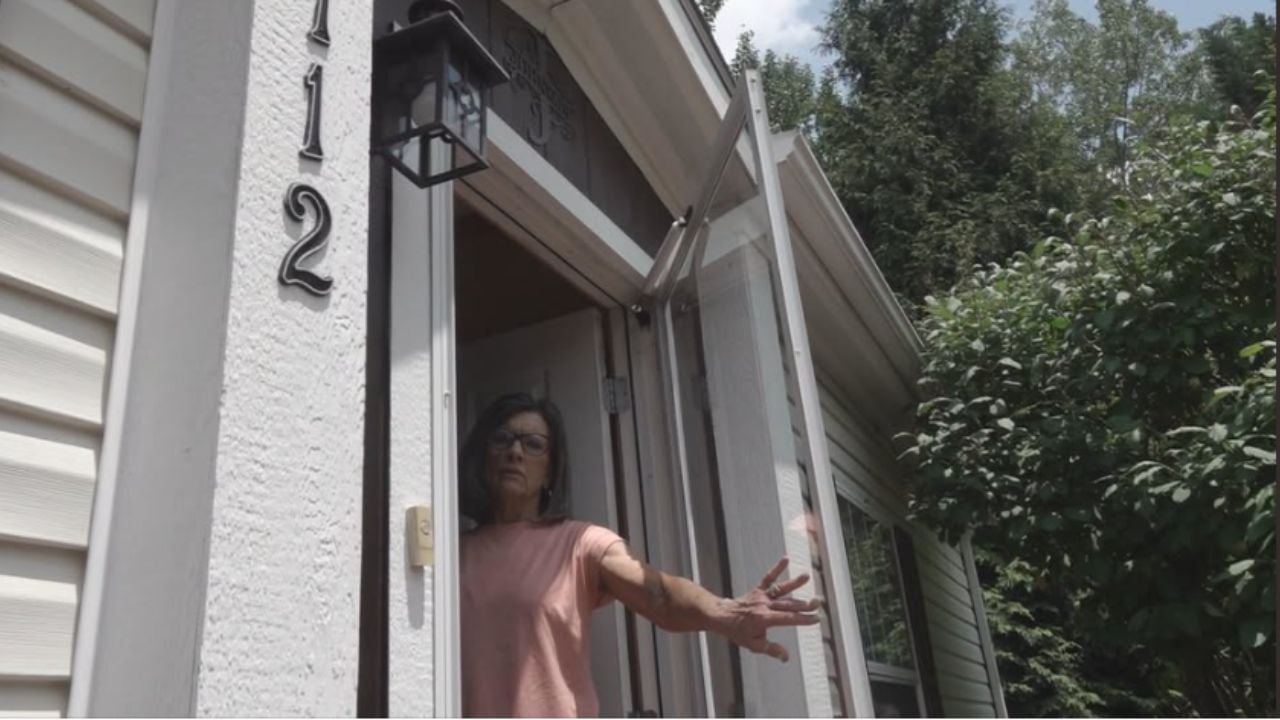
A Wythe County, Virginia, couple says a mortgage payment scam cost them about $17,000 and left them fighting to keep their home.
Elizabeth Johnson and her husband told WDBJ7 the scam began while Johnson was in the hospital for breast cancer. They had called their mortgage company to say they would be about two weeks late on a payment and were waiting for a routine callback.
That same evening, Johnson said a man who called himself Mike Ross contacted them. He claimed to be with Bank of the James, the bank they closed with, although the couple made their mortgage payments to First Reliance.
WDBJ7 reported that the caller did not work for the bank. The timing, bank references, and payment amount made the call appear legitimate to the family.
The Call Came When They Expected Help
Johnson’s daughter, Melissa Brown, told WDBJ7 the situation seemed believable because her mother had also received loan modification papers from First Reliance. Brown said the amount in those papers matched what the caller was telling Johnson to pay.
The Johnsons believed they were following instructions that would help them catch up and protect the home.
From February 2025 through April 2026, the Johnsons sent payments through a money transfer service at Walmart, according to WDBJ7. Brown said the caller was telling her mother to make the payments there.
The Foreclosure Letter Exposed The Scam
The arrangement continued until a foreclosure letter arrived. When the Johnsons contacted the man they believed was helping them, he allegedly said it was a bank mistake and would be fixed.
Weeks later, Johnson said a man came to the house and told her he had bought it at foreclosure.
The Johnsons were then served paperwork from the Sheriff’s Office ordering them to appear in court because the buyer was trying to take possession of the home.
The Buyer Gave Them 30 Days
Brown told WDBJ7 that after a June 16 court appearance, the buyer gave the Johnsons 30 days. If he does not receive the full $125,000 back, she said, Johnson has to move out.
Attorney Alex Gomez told WDBJ7 that neither the Johnsons nor the buyer legally did anything wrong. He is urging First Reliance to move quickly to pay the buyer, especially because the deed has not been signed over.
The case has already damaged the family financially. Johnson said they lost about $17,000, while Brown said the foreclosure could still hurt their credit even if everyone recognizes they were scammed.
Brown said Johnson still needs radiation treatment, and Johnson said she will have to quarantine after treatment. Her focus, she told WDBJ7, is staying in her home.
Mortgage Payments Should Go Through Verified Channels
The Federal Trade Commission says mortgage borrowers should review statements from their mortgage servicer, keep records of payments, and use the servicer’s contact information from official statements or coupon books to confirm account details.
The FTC also says borrowers who receive a notice that their servicer has changed should call the current servicer to confirm the new servicer before sending the next payment.
A homeowner should not rely on a phone number, name, payment method, or transfer instruction supplied by someone who calls unexpectedly.
Mortgage payments should be verified through the servicer’s official website, monthly statement, secure portal, written correspondence, or a phone number the homeowner already knows is legitimate.
Money Transfers Are A Red Flag In Mortgage Relief Calls
The FTC warns that mortgage relief scammers often contact homeowners unexpectedly, promise a modification or foreclosure help, and ask for upfront payment.
The agency says scammers may demand cashier’s checks, wire transfers, or mobile payment apps because those payment methods can be difficult to reverse. Housing Opportunities Made Equal of Virginia also lists a demand to make mortgage payments directly to someone other than the lender as a foreclosure-prevention scam red flag.
Homeowners who are late or about to be late should contact the mortgage servicer directly, ask for loss-mitigation options in writing, and keep copies of every statement, payment receipt, transfer record, letter, and portal message.
If a payment has already gone to a suspicious person, the homeowner should contact the servicer, bank, money-transfer company, local law enforcement, and the FTC. Anyone facing foreclosure should also contact a HUD-approved housing counselor or a qualified attorney before signing new paperwork or sending more money.