Federal agents searched a Georgia gas station as prosecutors accused three Atlanta-area men of cashing more than 16,000 U.S. Treasury refund checks worth over $74 million in an alleged tax fraud operation.
Investigators say the scheme began with Mexican identification documents bearing other people’s names. The men allegedly used those documents to obtain IRS taxpayer numbers, filed returns supported by fabricated wage statements and directed the resulting refund checks to post office boxes under their control.
The defendants are brothers Gustavo Rojano Salazar, 41, and Gabriel Rojano Salazar, 49, and Andres Huerta Rendon, 43, all Mexican citizens living in metro Atlanta. A federal grand jury charged them on October 6, 2026, and all three were arrested on October 14, when the Justice Department announced the case.
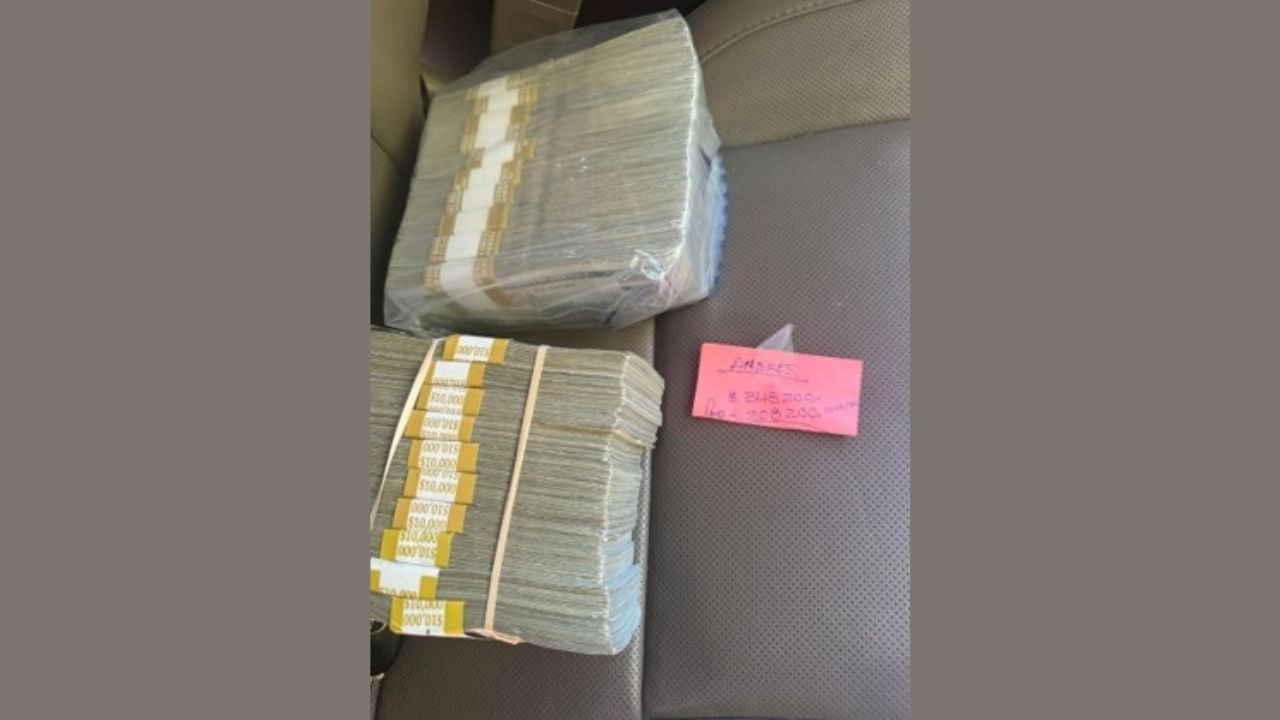
The investigation involved IRS Criminal Investigation, the U.S. Postal Inspection Service and Homeland Security Investigations. The Justice Department also released photographs of materials linked to the suspected scheme and bundles of cash. The charges are allegations, and the defendants are presumed innocent unless proven guilty.
Identification Documents Allegedly Used to Obtain IRS Taxpayer Numbers

Beginning in January 2019, the defendants allegedly obtained Mexican identification documents issued in the names of other people. Prosecutors say they used the documents to apply for Individual Taxpayer Identification Numbers, known as ITINs, from the Internal Revenue Service.
Instead of allowing the IRS to send the resulting confirmation letters to the people named in the applications, the defendants allegedly directed them to post office boxes they controlled. Federal authorities released a photograph showing stacks of Mexican identification documents and ITIN correspondence that they connected to the investigation.
An ITIN is a nine-digit tax number for someone who needs a U.S. taxpayer identification number but is not eligible for a Social Security number. The IRS issues ITINs for legitimate federal tax purposes, including filing required returns. An ITIN does not itself provide lawful immigration status or employment authorization.
Fabricated W-2 Forms Allegedly Turned False Wages Into Tax Refunds
After obtaining the ITIN information, the men allegedly prepared federal income tax returns in the names of the people associated with those numbers. The filings included fabricated Forms W-2 that reported wages and federal income taxes supposedly withheld by employers.
Withholding is normally money an employer deducts from a worker’s wages and sends to the government toward the worker’s tax liability. When reported withholding exceeds the tax owed, a filer may be eligible for a refund. Prosecutors say the false wage and withholding figures created refund claims for money the purported taxpayers were not entitled to receive.
Rather than being delivered to the people named on the returns, the resulting U.S. Treasury checks were allegedly mailed to post office boxes controlled by the defendants and their associates. The U.S. Attorney’s Office described hundreds of fraudulent tax returns in its announcement, while the broader check-cashing allegations involve thousands of checks.
More Than 16,000 Treasury Checks Allegedly Cashed for Over $74 Million
Prosecutors say the defendants and other suspected participants collected the government-issued refund checks and took them to a check-cashing operation in north Georgia. They allegedly exchanged the payments for bundles of cash, which investigators say helped move the proceeds from the tax refunds.
According to the Justice Department, the operation involved more than 16,000 Treasury refund checks with a combined value exceeding $74 million. That is the prosecution’s allegation about the wider scheme, not an amount individually attributed to each defendant or a restitution figure imposed by a court.
Among the photographs released by the Justice Department was an image of stacks of currency that prosecutors said had been photographed by one of the defendants.
Federal Agents Search a College Park BP Gas Station
IRS agents executed search warrants on Wednesday, October 14, at a BP gas station and convenience store on West Fayetteville Road in College Park, southwest of Atlanta. The business also operated a check-cashing service, U.S. Attorney Theodore Hertzberg confirmed.
FOX 5 Atlanta reported from the location and described the station as a place where investigators believed Treasury refund checks were exchanged for cash. The station search came as authorities announced the federal charges and arrests.
A store employee declined to comment when approached by the television station. The announced criminal charges identify the three men, but the available federal statements do not name the gas station’s owners or employees as defendants in the case.
Two Brothers Also Face Immigration False-Statement Charges
Prosecutors also accuse Gustavo and Gabriel Rojano Salazar of making false statements on immigration applications submitted under penalty of perjury. The brothers allegedly represented that they had never committed a crime, statements the government contends they knew were false. Huerta Rendon was not named as a defendant in the immigration-related counts described by prosecutors.
Three Defendants Arraigned on Fraud and Money Laundering Charges
The October 6 federal indictment charges all three defendants with conspiracy to commit mail and wire fraud, mail fraud and conspiracy to commit concealment money laundering. The fraud allegations concern the tax filings and government payments, while the laundering charge concerns the alleged handling of the proceeds through financial transactions.
The Justice Department said the applicable fraud and money laundering offenses carry maximum penalties of 20 years in prison per count. The brothers’ additional immigration false-statement charges carry possible maximum penalties of 15 years per count. Those are potential penalties upon conviction, not sentences imposed in this case.
Following their October 14 arrests, the three defendants appeared before Chief U.S. Magistrate Judge Justin S. Anand. They remained in U.S. Marshals Service custody pending further proceedings. Senior Litigation Counsel Michael C. Boteler of the Justice Department’s National Fraud Enforcement Division and Assistant U.S. Attorney Kelly K. Connors are prosecuting the case.
How Taxpayers Can Check for Fraudulent IRS Returns
Taxpayers can request an Identity Protection PIN through IRS.gov. The six-digit number helps prevent another person from filing a federal return using an existing Social Security number or ITIN. People with either type of number can enroll if they can verify their identities.
An IP PIN is useful against unauthorized returns, but it does not by itself prevent someone from applying for a new ITIN with improperly obtained identity documents. Taxpayers should also review unexpected IRS notices, particularly correspondence about taxpayer numbers or returns they did not request or file.
If a return is rejected because someone has already filed using the taxpayer’s number, the IRS provides reporting instructions, including Form 14039 for tax-related identity theft. The agency also recommends maintaining an IRS online account, retaining copies of suspicious correspondence and responding to official identity-verification requests through trusted IRS channels.