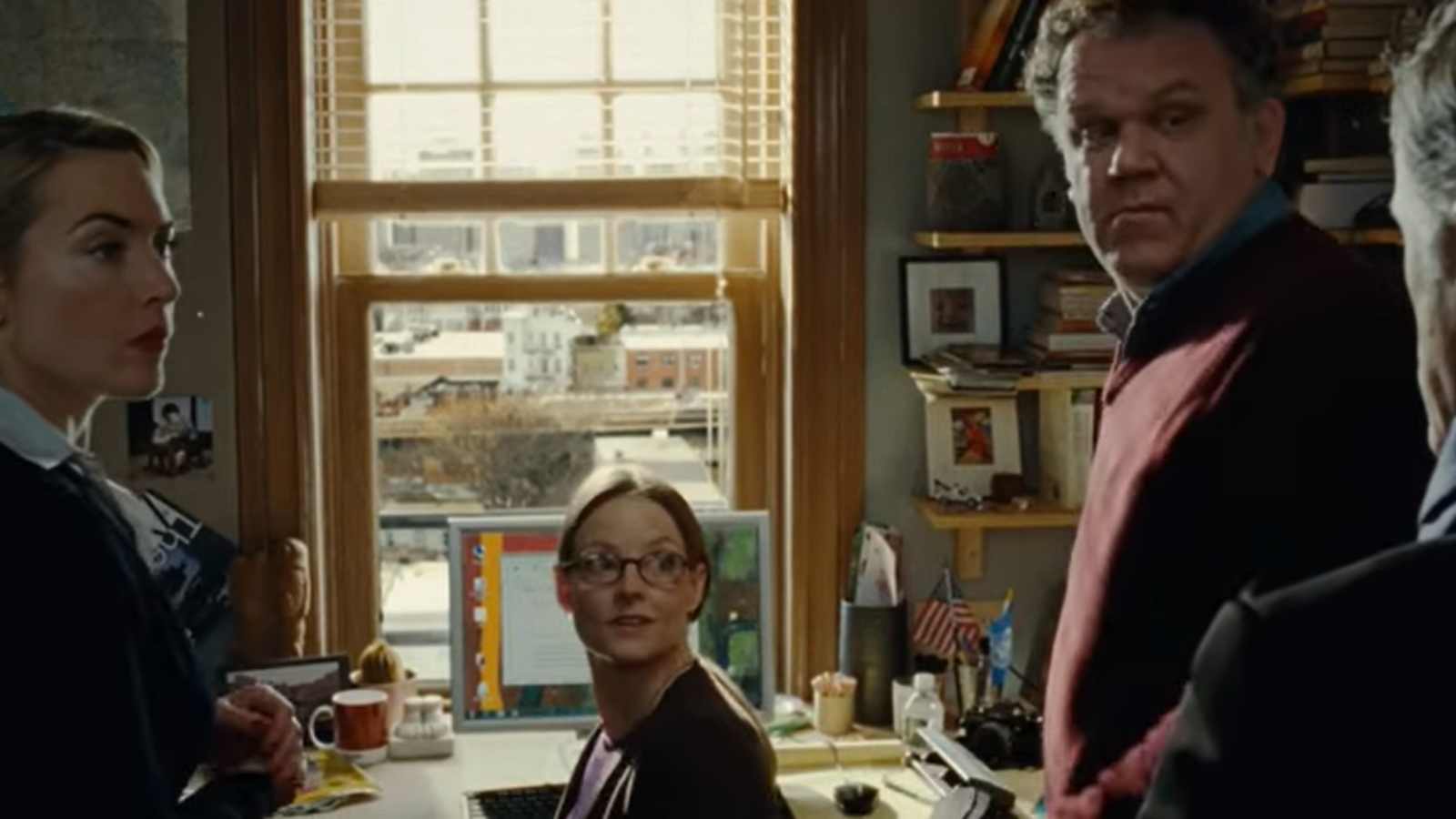
Real-time films are a cinematic rarity that immerses viewers in the moment. Unlike typical movies that condense time to fit a neat plot, these films unfold before you, minute by minute.
From the tension of a phone booth to the heat of a bank robbery, these films capture a true sense of urgency, making you feel every tick of the clock.
Let’s dive into 10 of the most gripping films where the action unfolds in real time, creating a pulse-pounding experience that leaves you breathless.
Phone Booth (2002)
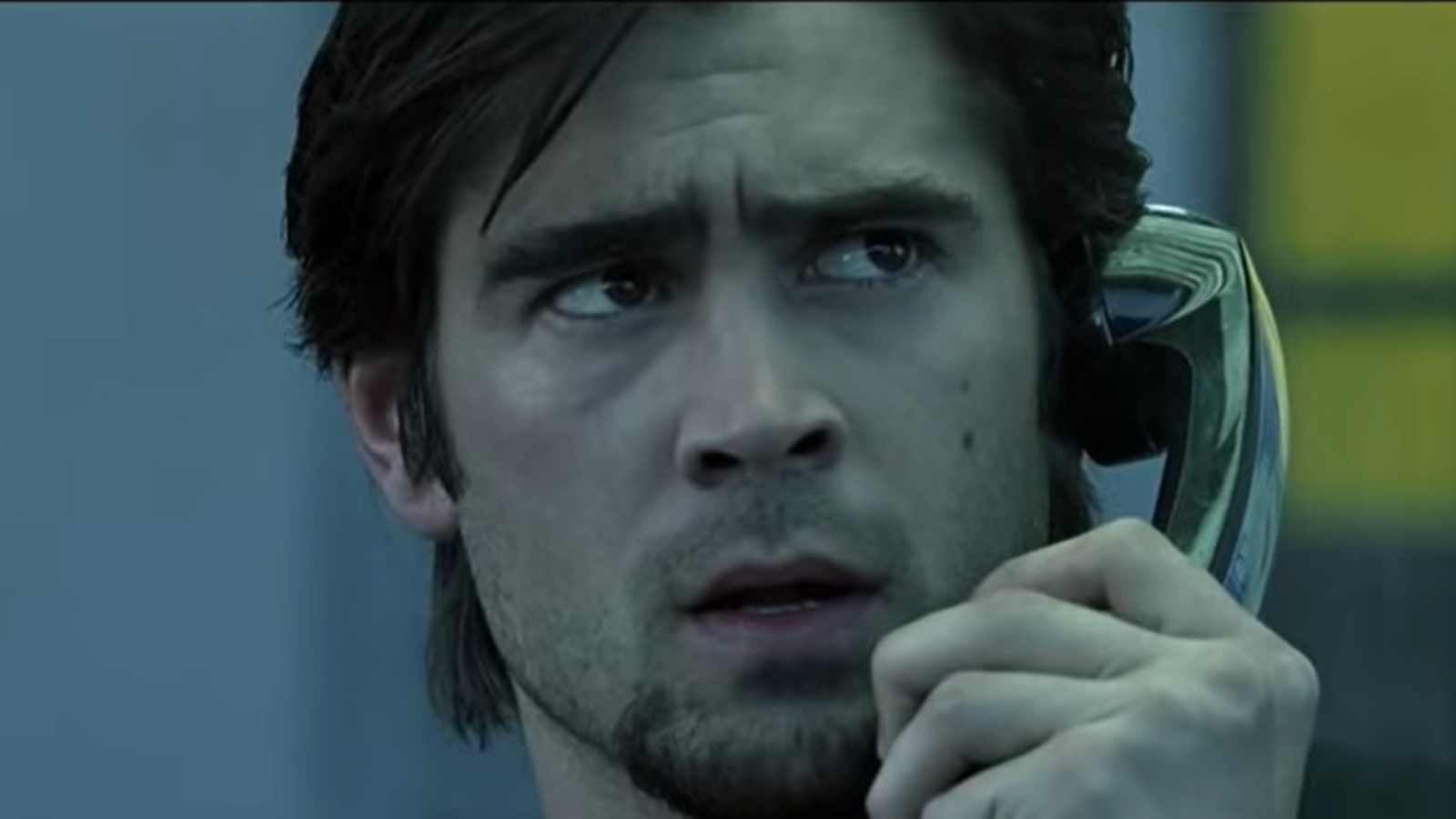
Joel Schumacher’s Phone Booth is a masterclass in tension, set within the claustrophobic confines of a single location, Times Square.
The story revolves around Stu Shepard (Colin Farrell), who finds himself trapped inside a public phone booth, threatened by a sniper (Kiefer Sutherland). The film unfolds in real time from 7 a.m. to 4 p.m., keeping viewers on edge as Stu’s secrets slowly unravel.
With split-screen techniques and a singular focus on Farrell’s character, Phone Booth proves that great storytelling doesn’t need a sprawling set, just a great premise and a relentless clock ticking down.
Carnage (2011)
Roman Polanski’s Carnage brings a contentious encounter between two couples to life in real-time. Adapted from Yasmina Reza’s play Le Dieu du Carnage, the film takes place in a Brooklyn apartment as the parents of two boys argue over a schoolyard fight.
What begins as an attempt to resolve the conflict quickly devolves into a verbal battlefield. Running for 80 minutes, the exact amount of time the film takes, Polanski takes a simple yet challenging approach: no breaks, no edits, just raw human interaction.
The result is a compelling, high-stakes drama filled with tension, humor, and a sense of immediacy.
Crank (2006)
Crank is anything but ordinary. Directed by Mark Neveldine and Brian Taylor, this high-octane film follows Chev Chelios (Jason Statham), a hitman poisoned by the mafia. To stay alive, he must keep his adrenaline levels high.
Set in the frantic pace of Los Angeles, every second counts as Chelios races against the clock to seek revenge. The film’s breakneck speed, wild stunts, and constant pursuit of adrenaline keep you hooked from start to finish.
Shot in real-time, it’s as if the audience is right alongside him, experiencing every heart-pounding moment.
Buried (2010)
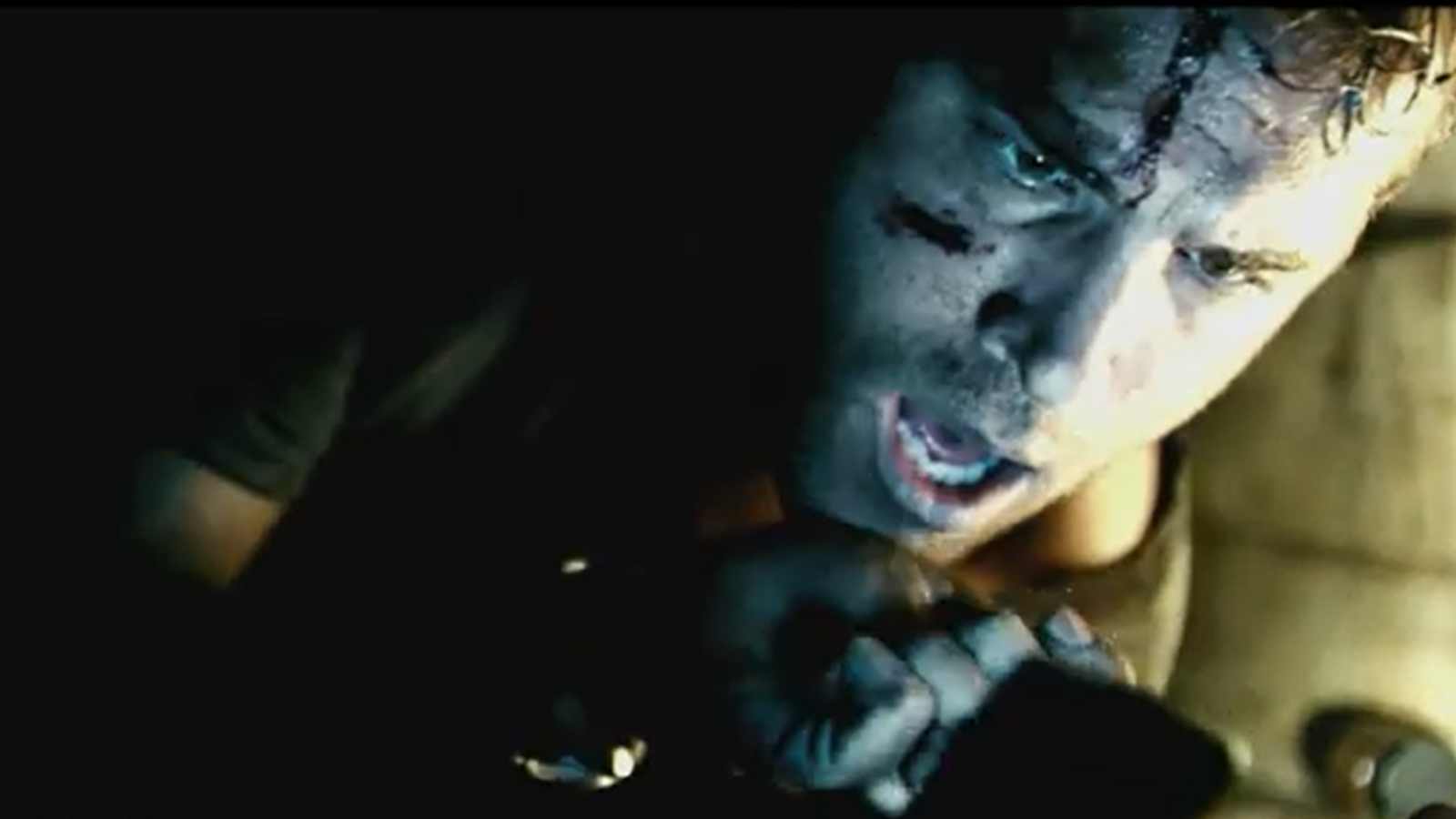
Ryan Reynolds takes center stage in Buried, a film set entirely in a coffin underground. He stars as Paul Conroy, an American truck driver kidnapped in Iraq and buried alive.
With only a cellphone and a lighter to his name, Conroy races against time to escape before his oxygen runs out. The film’s 95-minute runtime mirrors the 95 minutes of air Paul has left to breathe, creating an intense sense of confinement.
Despite a modest budget, the film’s gripping real-time format ensures that every second counts, making it a chilling and unforgettable experience.
Blind Spot (2018)
Norwegian drama Blind Spot tells the story of a mother grappling with her daughter’s mental illness, all in real-time. The film follows Marie as she discovers her daughter’s troubled state and desperately seeks help.
Shot in one continuous take, the film’s technical achievement matches its emotional depth. Every minute of the film’s 80-minute runtime unfolds before the viewer, offering no cuts or distractions.
The technical feat, combined with the characters’ raw emotion, creates a gripping, immersive experience that stays with you long after the credits roll.
Dog Day Afternoon (1975)
Dog Day Afternoon follows the true story of a botched bank robbery that spirals into an intense hostage situation. Directed by Sidney Lumet and starring Al Pacino, the film unfolds in real-time as Sonny Wortzik (Pacino) tries to negotiate his way out of a chaotic situation.
The film is a sharp look at the pressures of an unforeseen crisis and the way public perception can shift in an instant.
With no soundtrack to distract from the tension, the real-time unfolding of events makes you feel like you’re right there in the midst of the madness.
Before Sunset (2004)
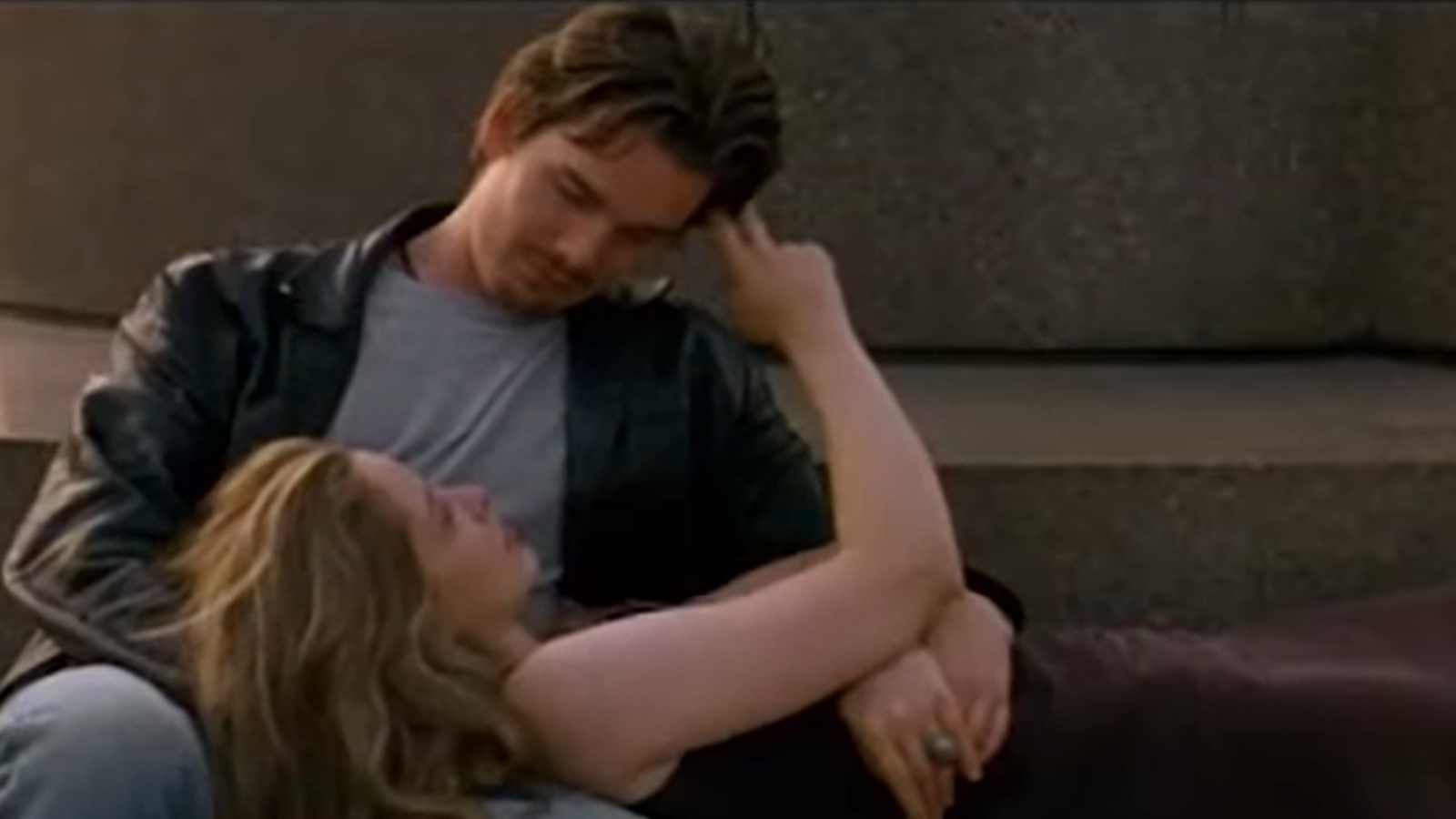
Richard Linklater’s Before Sunset takes place in real-time, following Jesse (Ethan Hawke) and Céline (Julie Delpy) as they reunite in Paris after nine years. With only 80 minutes until Jesse’s flight back to America, the film tracks their deep conversations about love, life, and regret.
The real-time format heightens the sense of urgency while also beautifully capturing the rhythm of their reunion.
Linklater’s understated approach allows the natural flow of conversation to take center stage, making this film a poignant meditation on time, connection, and missed opportunities.
Cléo from 5 to 7 (1962)
Agnes Varda’s Cléo from 5 to 7 is a revolutionary film in the French New Wave, capturing the life of a singer, Cléo, as she awaits a cancer diagnosis.
Set between 5 and 6:30 p.m., the film’s structure is deceptively simple: a woman wandering Paris, reflecting on her life, meeting people, and confronting her mortality.
What sets this film apart is Varda’s focus on the mundane moments and encounters, revealing how even the most ordinary experiences can be transformative.
The film’s real-time progression offers a sense of immersion rarely seen in cinema, and Varda’s approach to time and space remains influential today.
Victoria (2015)
In Victoria, director Sebastian Schipper delivers a gripping thriller filmed in one continuous take. The story follows the titular character (Laia Costa) through a fateful night in Berlin, where a simple outing spirals into a robbery.
The film’s most impressive achievement is its seamless real-time execution, clocking in at 138 minutes, with no cuts or edits. Shot in just three takes, Victoria merges time, space, and narrative into a stunning feat of cinematic precision.
The sense of immediacy and danger is palpable as the film takes you along for a high-stakes journey through the city.
12 Angry Men (1957)
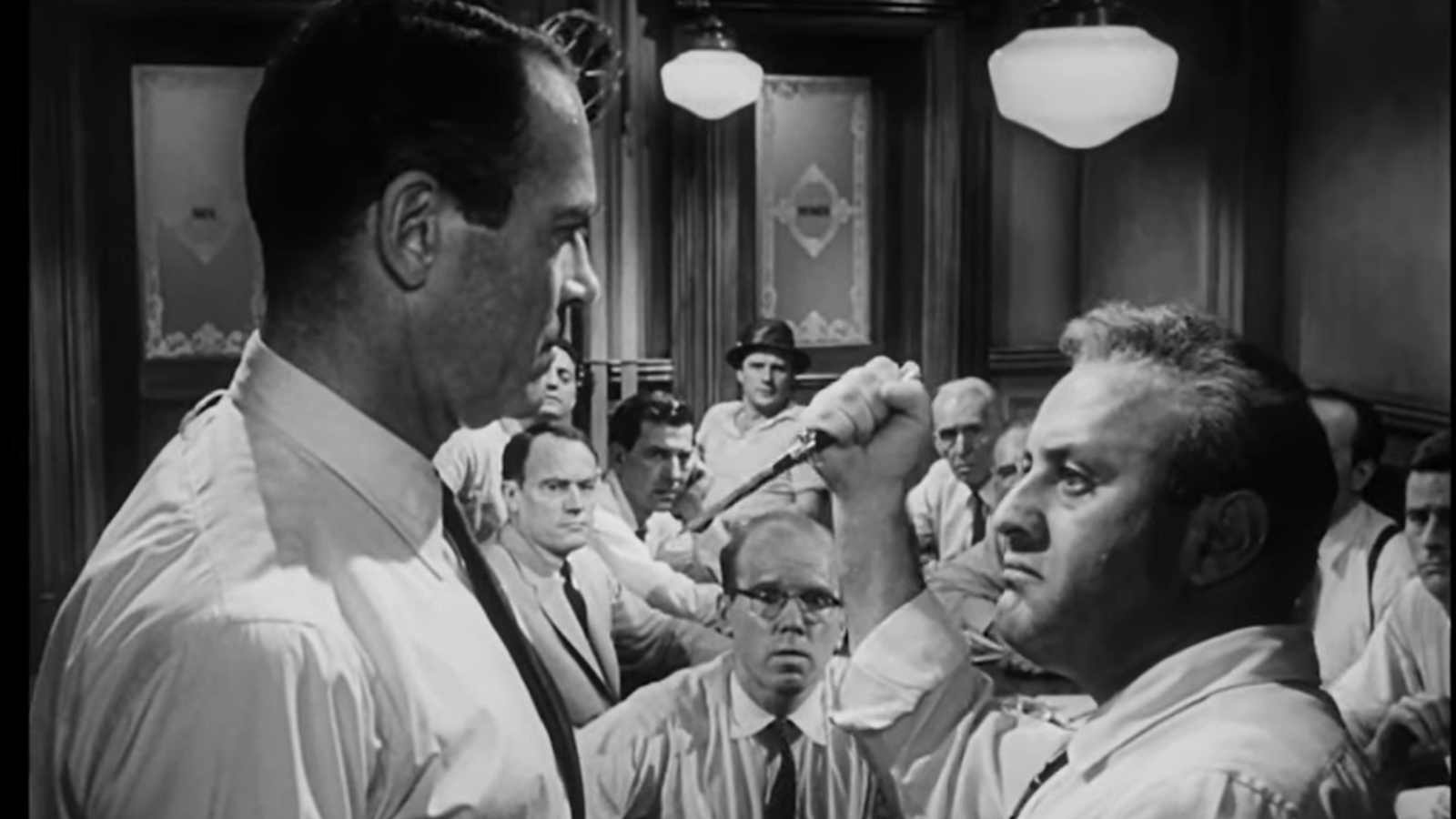
Sidney Lumet’s 12 Angry Men is a masterclass in tension, taking place in a single room where twelve jurors debate the fate of a young defendant. The film unfolds in real-time as each juror’s biases, motivations, and personal histories come to light.
The confined setting intensifies the drama, as the jurors must confront their own prejudices and slowly change their minds.
12 Angry Men is a brilliant study of human nature, decision-making, and the power of persuasion, all while unfolding in real time. It remains a timeless classic that has influenced countless filmmakers and remains a benchmark in film history.
Conclusion
Real-time films are an exciting genre that puts audiences in the characters’ shoes, allowing them to experience each moment as it unfolds.
Whether trapped in a phone booth, buried alive, or involved in a tense jury deliberation, these films create an immersive, unforgettable viewing experience.
By focusing on the passage of time, they remind us of the urgency, tension, and drama that can arise even in the most ordinary situations.
The filmmakers behind these masterpieces have pushed the boundaries of what’s possible in cinema, leaving a lasting impact on the world of film.