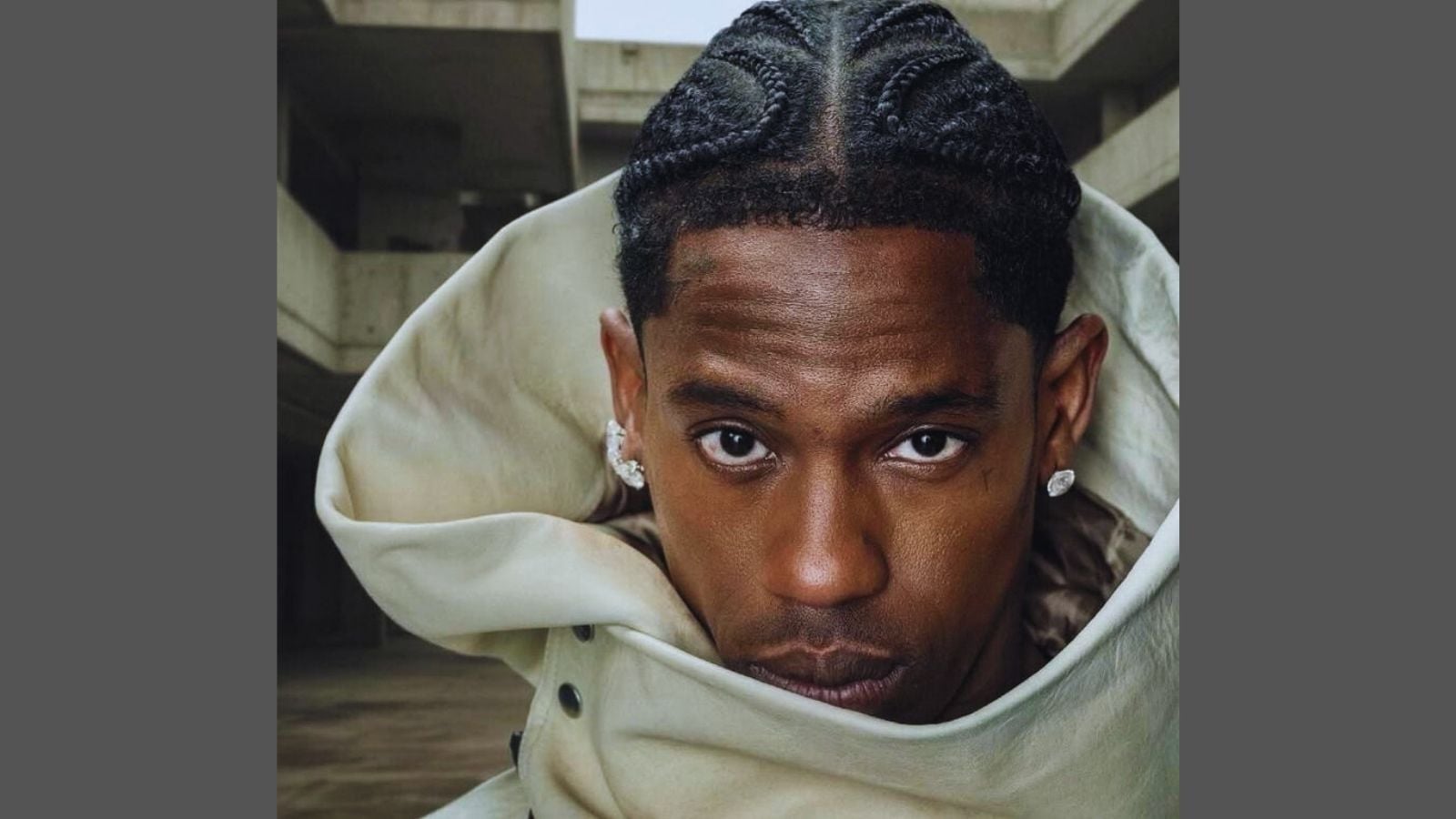
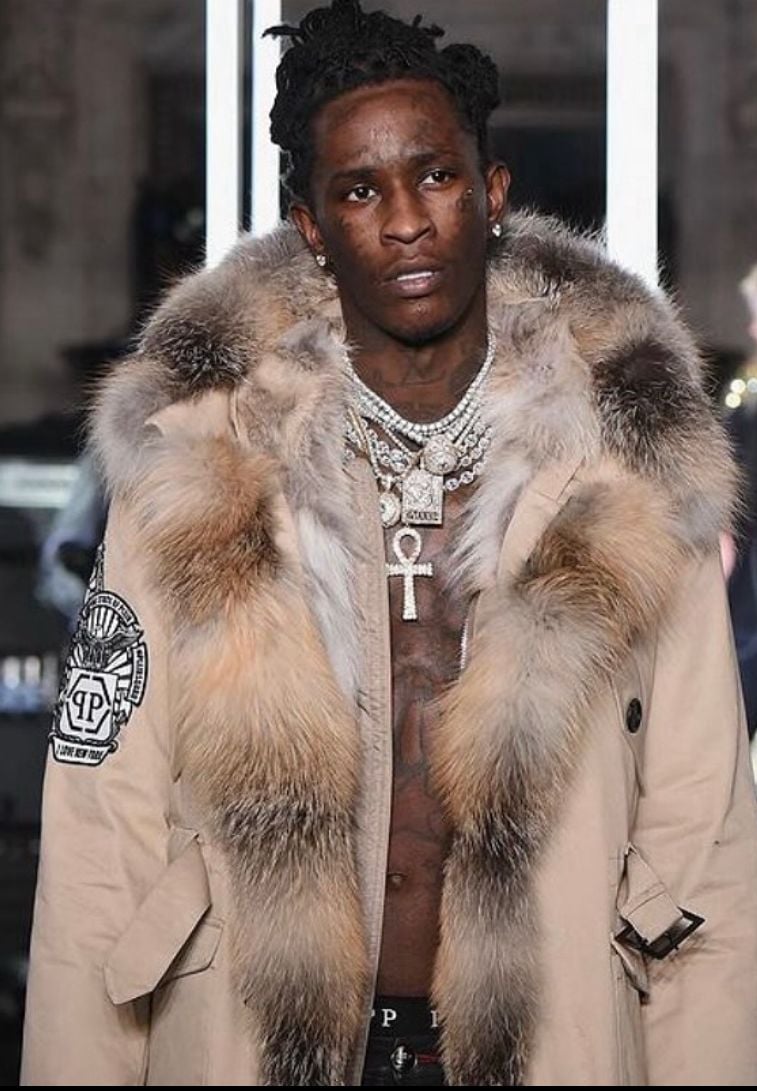
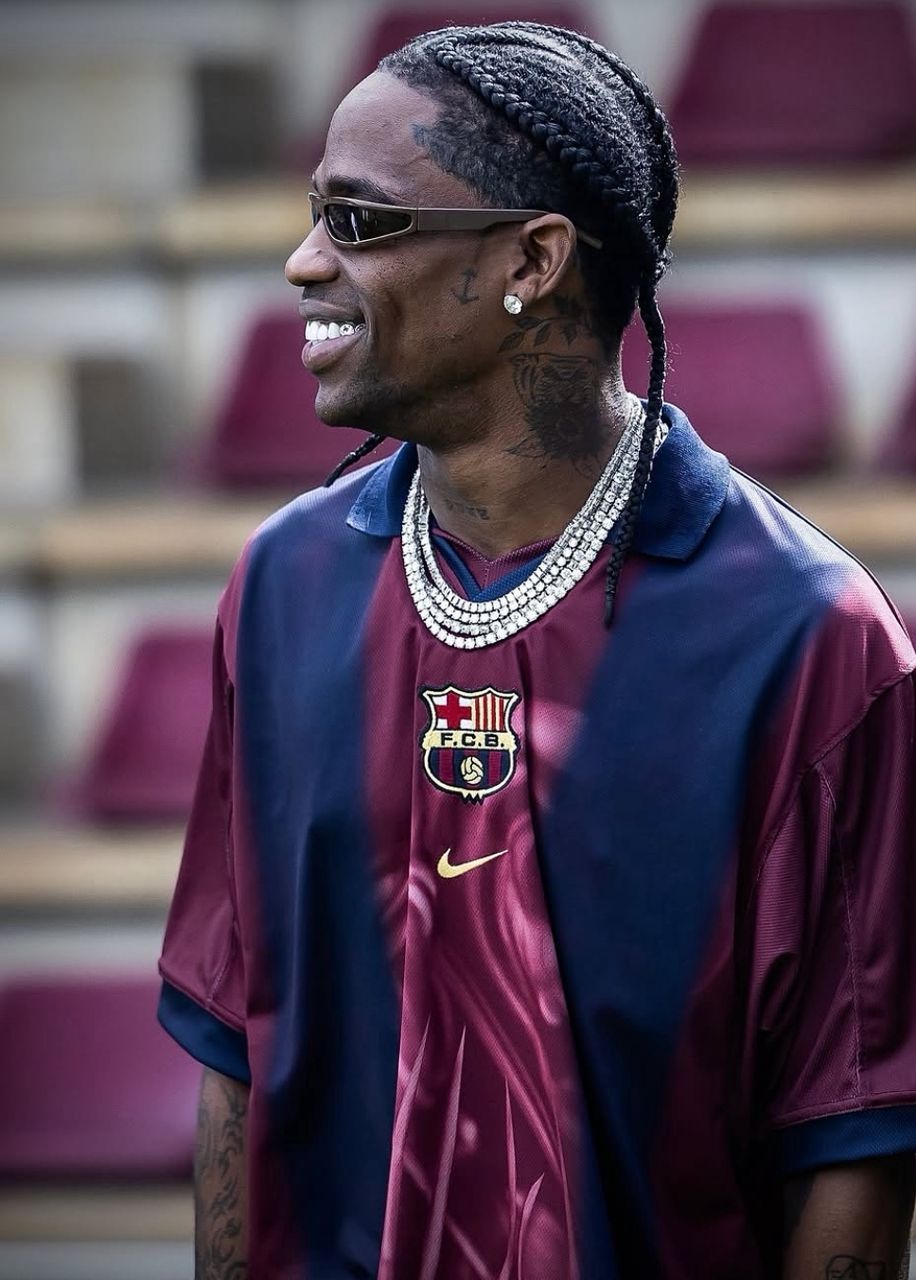
Travis Scott is officially trading the festival stage for the highest court in the land to protect the future of hip-hop. The Utopia rapper joined a heavy-hitting list of legends like Killer Mike T.I., Young Thug, Fat Joe, N.O.R.E., and many other artists to file amicus briefs with the U.S. Supreme Court this week. They are fighting to stop the April 30 execution of James Garfield Broadnax, a Black man in Texas whose death sentence was secured after prosecutors used 40 pages of his own rap lyrics as evidence.
This case is a massive deal because it targets a trend where creative expression is used as a weapon, a move that according to BBC has already popped up in more than 500 criminal cases across America over the last two decades. By jumping into this legal fire, these artists are arguing that the government is essentially putting an entire musical genre on trial and treating artistic personas as literal confessions of criminal intent. The stakes could not be higher as the clock ticks toward the scheduled execution date next month.
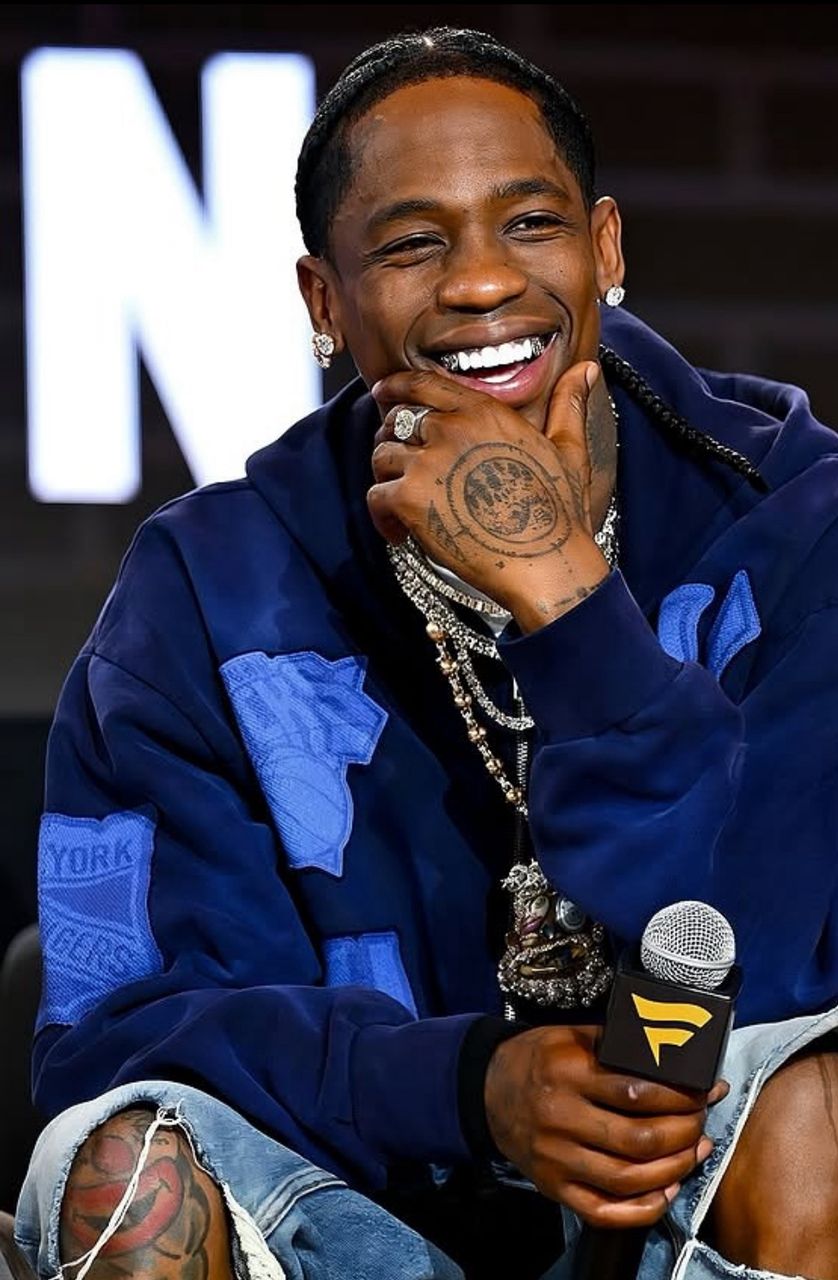
According to the New York Times, the drama traces back to 2009 when a nearly all-white jury had to choose between life without parole or the death penalty for Broadnax. After he was already found guilty of a 2008 double murder, prosecutors rolled out dozens of pages of his handwritten lyrics to prove he was a “continuing threat”.
The goal was clear: use the art to bridge the gap between guilty and dangerous. It worked, too, because the jury asked to see those lyrics twice during their private deliberations before deciding on a death sentence.
Putting the Persona on Trial
Travis Scott’s legal team, led by attorney Alex Spiro, told the Supreme Court that using art to support an execution is flatly unconstitutional. They argue that it acts as a “content-based penalty” on a specific form of expression protected by the First Amendment.
The legal filing does not hold back when describing the danger of treating a song like a psychological profile. The brief argues that prosecutors claimed Broadnax was likely to be dangerous just because he engaged in “gangster rap”.
His lawyers say this functions as a “straightforwardly unconstitutional penalty” on the art form itself. Taking rap music out of context subjects the entire genre to prosecution, especially since the music is primarily created by minority artists.
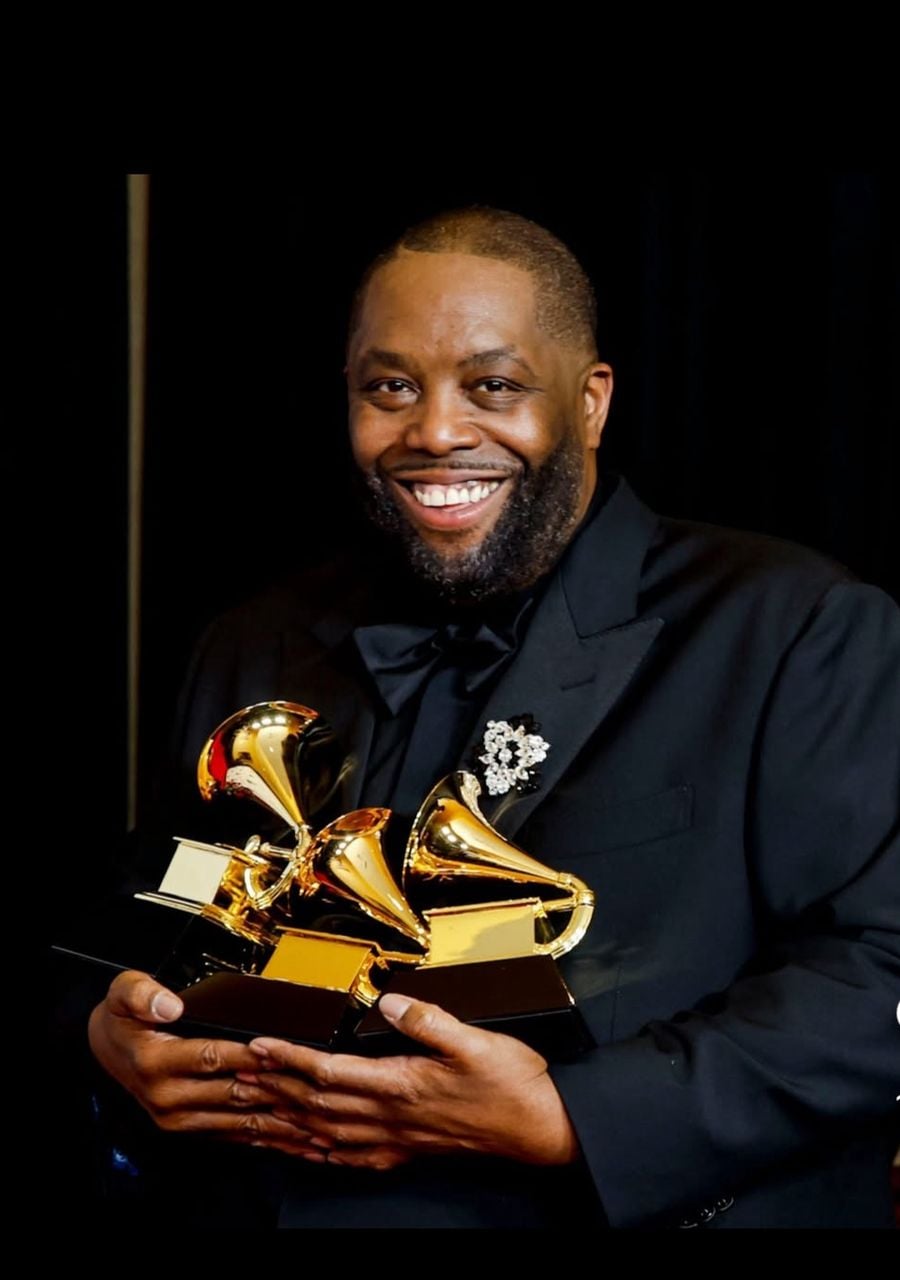
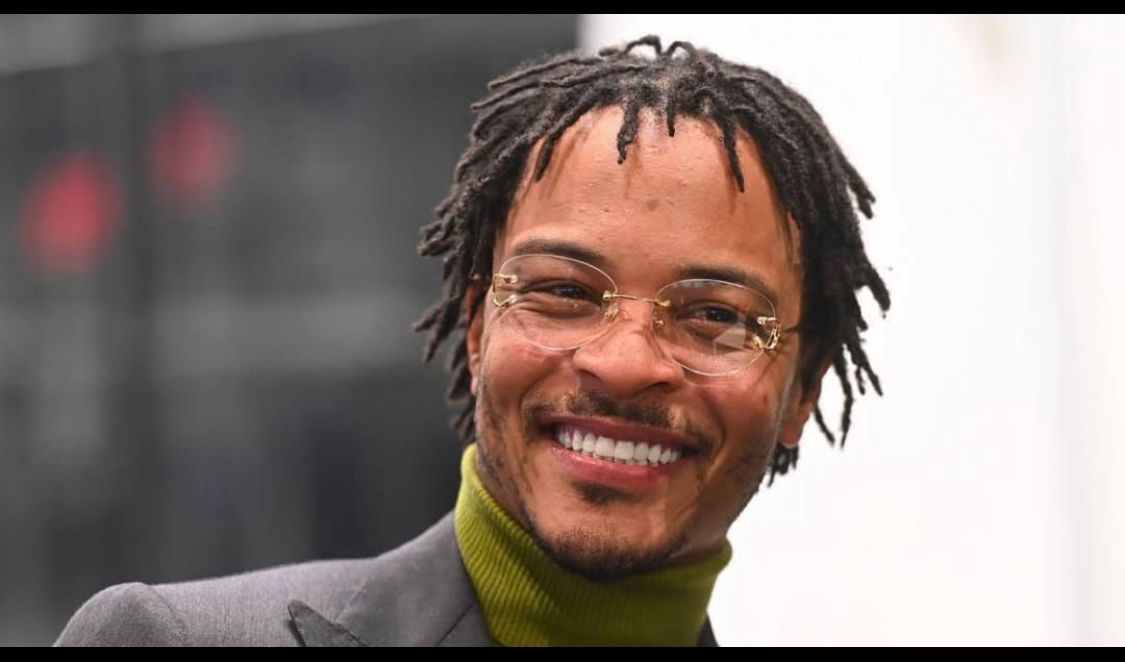
Killer Mike and T.I. added their voices to the mix, suggesting the lyrics were used to “stoke racial and anti-rap bias” among the jurors. Their brief explains that exaggerated tales of violence and sex are just conventions of the genre that sell to a broad audience.
They argue that Texas misused the artistic expression of Broadnax to play on “fears of a young Black super predator”. Killer Mike previously told the New York Times that no matter how horrific art sounds, it is just an interpretation of the human spirit.
Attorneys for the artists are now urging the Supreme Court to finally plunge a dagger through the heart of what they call the “criminalization of rap”. They believe a death sentence should never be based, even in part, on constitutionally protected art.
A Race Against the Clock in Texas
The timeline is moving fast because Broadnax’s execution is currently scheduled for April 30. His legal team filed a petition in February 2026 asking the Supreme Court to halt the process and review the case.
While Texas courts have upheld the sentence before, this new push from the entertainment world highlights a massive cultural divide. Some states, like California, passed laws in 2022 to restrict the use of creative expression in courtrooms.
New York has seen similar bills introduced, but many states still allow lyrics to be used as shortcuts for character traits. This lack of a national rule is exactly what these artists want the Supreme Court to fix once and for all.
Lawyers for the state of Texas are currently fighting back by focusing on legal technicalities. They argue the defense team waited too long to object to the lyrics and claim the music was only a small portion of the trial.
This creates a tense standoff between the push for constitutional rights and the state’s interest in finishing a case from nearly 20 years ago. The Supreme Court has passed on similar rap cases in 2015 and 2 019, but this life-or-death situation feels different.
Why the Music World Is Hooked
The outcome of this petition could change how every songwriter in America approaches their craft. For the artists involved, this isn’t just about one man on death row, but about protecting the future of storytelling in a genre that often explores dark or gritty themes for entertainment; most importantly, it protects the boundary between a creator and their work.
If the Supreme Court looks the other way, it leaves the door open for prosecutors to keep using lyrics as a cheat code for character evidence. If the justices step in, they could set the first nationwide rules for how art is handled in jury trials.
This is a moment for pop culture that forces the legal system to decide if a song is art or just a piece of evidence. The involvement of stars like Young Thug and Travis Scott brings a level of heat to the case that is hard to ignore.
This massive spotlight also ensures the conversation about rap and the law will continue even after the court makes its move. Ultimately, the case is a grim reminder that lyrics heard on the radio can have very real consequences in a courtroom, often in ways the artists never intended when they first put pen to paper.
The message from the stars is clear: drop the bias or risk replacing justice with a performance.
I hope that it doesn’t turn out that the rhymes an artist puts on paper might end up being the most important words they ever write. Everyone is waiting to see if the highest court in the land agrees that art is not a crime, because if creative storytelling can be used to justify the ultimate penalty, then the First Amendment is effectively on life support for hip-hop.