
Kristen Stewart has spent the better part of the last decade doing something very intentional: quietly proving that she is not the person pop culture once froze in time. No more red-carpet flinching jokes. No more “Twilight girl” shorthand. Instead, she’s built a career defined by left-turn choices, sharp instincts, and an obvious hunger for control over her own creative voice.
So when Stewart recently hinted that she’d love to direct a remake, and spoke about it with a level of clarity that felt more like planning than dreaming, it landed differently. This wasn’t a throwaway comment. This wasn’t a nostalgia tease. It sounded like someone already imagining the camera placement.
The remark came during a press conversation where Stewart, now 35, was reflecting on her evolution as an artist. She didn’t name the specific project she’d want to remake, but she didn’t need to. The tone alone told the story. She wasn’t joking. She wasn’t flirting with the idea. She was explaining it.
And suddenly, a question that once felt hypothetical felt inevitable: What would a Kristen Stewart–directed remake actually look like?
From Reluctant Icon to Creative Architect
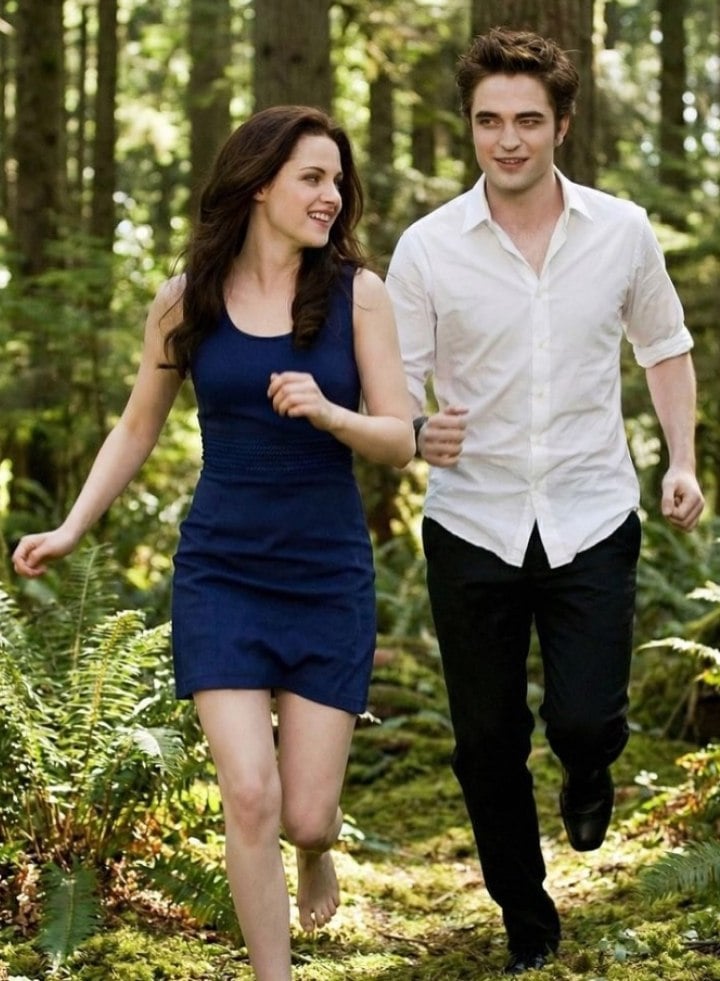
It’s impossible to talk about this moment without acknowledging where Stewart started and how little control she had at the time. When Twilight exploded in 2008, Stewart became one of the most recognizable faces in the world almost overnight. She was young, introverted, and visibly uncomfortable with fame. The franchise made billions. The attention was relentless. And the public narrative around her hardened quickly.
Stewart has spoken openly in recent years about how suffocating that period felt, not because of the work, but because of the lack of agency. She was interpreting someone else’s story, someone else’s vision, while the outside world projected its own version of her back at her. What followed after Twilight wasn’t a rebrand; it was a reclamation.
Stewart gravitated toward directors who valued discomfort and nuance: Olivier Assayas, Pablo Larraín, Kelly Reichardt, and David Cronenberg. These were not “safe” choices. They were precise ones. Each role stripped something away, glamour, expectation, certainty, and replaced it with texture.
By the time she earned critical acclaim for Spencer, her transformation was complete. She wasn’t trying to be taken seriously anymore. She simply was. Directing, in many ways, feels like the natural conclusion of that arc.
Stewart made her feature-length directing debut with The Chronology of Water, an adaptation of Lidia Yuknavitch’s memoir, a project she fought for years to bring to life. The film premiered to strong reactions on the festival circuit, with critics noting its rawness, emotional control, and refusal to smooth out pain for comfort. It was not the work of someone “trying out” directing. It was the work of someone who had been waiting.
Which is why her recent comments about remaking an existing film didn’t sound like fan chatter; they sounded strategic.
Why a Kristen Stewart Remake Would Hit Differently

Hollywood has never been shy about remakes. But most are driven by market logic, not emotional urgency. Stewart’s interest feels rooted in something else entirely: reinterpretation.
She’s spoken before about wanting to engage with stories that were misunderstood, flattened, or filtered through a lens she no longer believes in. When she talks about remakes, she doesn’t frame them as fixes; she frames them as conversations. What does this story mean now? Who gets to tell it? Whose perspective was missing the first time?
That mindset alone sets her apart from the typical reboot machine.
Stewart’s directing sensibility, based on her first feature and years of collaborative acting work, leans intimate and interior. She’s less interested in plot mechanics than emotional aftershocks. Silence matters to her. So do contradictions. So does letting characters exist without explaining themselves to the audience.
And yes, the irony isn’t lost on anyone: Kristen Stewart, whose career was launched by one of the most commercially successful franchises of the 21st century, is now potentially remaking a film on her terms. The full-circle energy is strong. But she’s careful not to frame it as revenge or revisionism.
In her own words, she’s interested in stories that “still feel alive.” Stories that can hold new meaning without erasing their past. That distinction matters. Stewart also understands the risk.
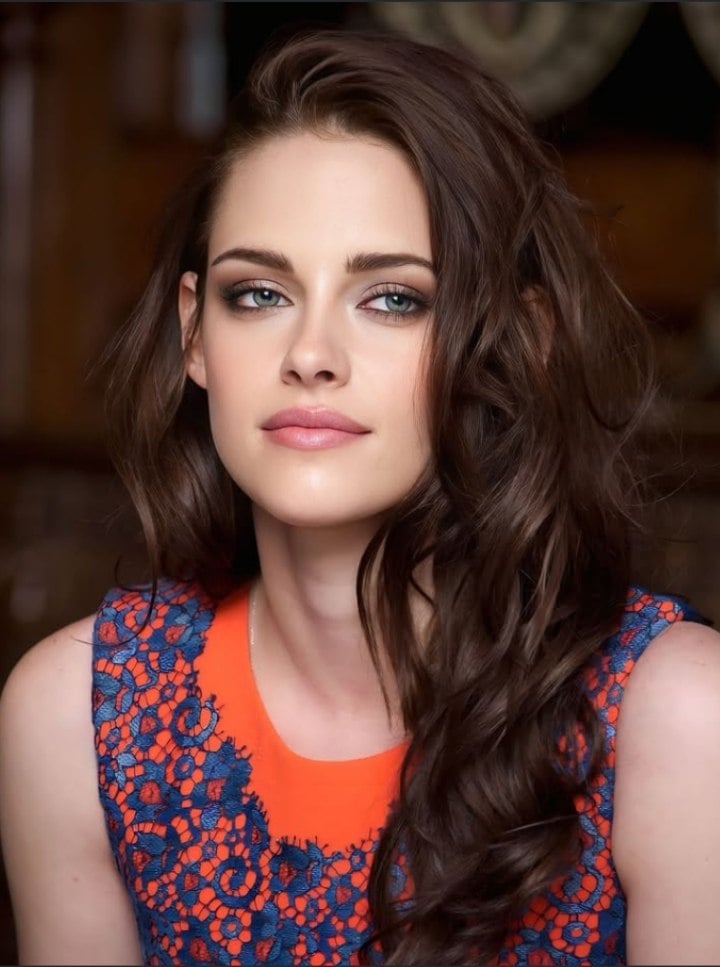
Remakes invite scrutiny. They trigger nostalgia defenses. They beg comparison. For someone who spent years being compared to expectations, to headlines, to a version of herself she didn’t recognize, stepping into that arena again would be bold. Which may be exactly why she’s drawn to it.
There’s a confidence in how she talks about directing now that wasn’t there even a few years ago. Not arrogance. Assurance. The kind that comes from knowing what you don’t want to do, and trusting your instincts enough to build something anyway.
It doesn’t matter whether the remake she’s teasing actually moves forward; the signal is clear: Kristen Stewart isn’t done expanding her creative footprint. She’s not content to be interpreted anymore. She wants authorship.
And if she does step behind the camera for a reimagined classic, audiences shouldn’t expect comfort food. They should expect friction. Honesty. A version of the story that asks different questions and doesn’t rush to answer them.
Because if there’s one thing Stewart’s post-Twilight career has made clear, it’s this: she’s not interested in repeating the past. She’s interested in rewriting how it’s remembered.