
The White House dropped a video on social media that mixed real war clips with blockbuster movie scenes and video game moments. Fans of the Halo series noticed something familiar right away. Steve Downes, the guy who’s voiced Master Chief since the first Halo game hit shelves in 2001, wasn’t happy about it.
At 75, Downes has been the gravelly voice behind the iconic super-soldier for over two decades, delivering lines that gamers quote all the time. But seeing his work twisted into a pro-war message pushed him to speak out fast.
This story blew up across entertainment sites and gaming forums, pulling in reactions from celebs and everyday folks alike. It highlights how pop culture gets dragged into real-world conflicts, especially with the U.S.-Iran war heating up since late February 2026.
The Controversial Video That Started It All
Picture a high-octane montage: explosions from actual U.S. airstrikes on Iranian targets blend with scenes from Iron Man blasting enemies, Top Gun jets soaring, and even Tropic Thunder’s over-the-top action.
Titled “Justice the American Way,” the video appeared on the White House’s X and TikTok accounts early in March 2026. It aimed to rally support for the ongoing military operations against Iran, which kicked off with joint U.S.-Israeli strikes on February 28. The clip runs about a minute long, set to pumping music, and includes sports highlights plus video game footage to amp up the drama.
Right in the mix is a standout moment from Halo 2: Master Chief’s famous line, “I’m finishing this fight,” voiced by Downes. It plays just before cutting to real explosions from the war. The White House didn’t get permission from Downes or Microsoft, the owners of Halo, to use it.
This isn’t the first time the administration has leaned on memes and pop references to frame the conflict. Similar posts featured Pokemon and Grand Theft Auto clips, sparking calls for lawsuits from Nintendo and Rockstar Games.
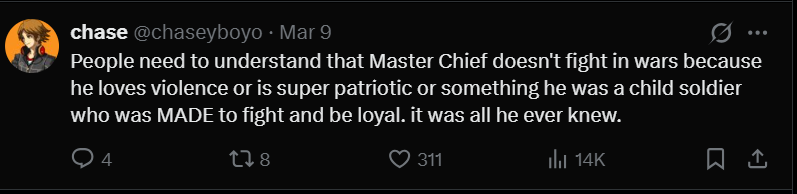
Critics say these videos gamify a serious war that’s already claimed lives, including American soldiers. Supporters argue it’s a smart way to connect with younger audiences who grew up on these games and movies.
Steve Downes Speaks Out
Downes didn’t waste time. On March 8, 2026, he fired off a post on X that went viral. “It has come to my attention that there is at least one propaganda video circulating that was either produced or at the very least endorsed by the White House that uses images of Master Chief and uses my voice to support the war in Iran,” he wrote.
He made his stance clear: “Let me make this crystal clear: I did not participate in nor was I consulted, nor do I endorse the use of my voice in this video, or the message it conveys. I demand that the producers of this disgusting and juvenile war porn remove my voice immediately.”
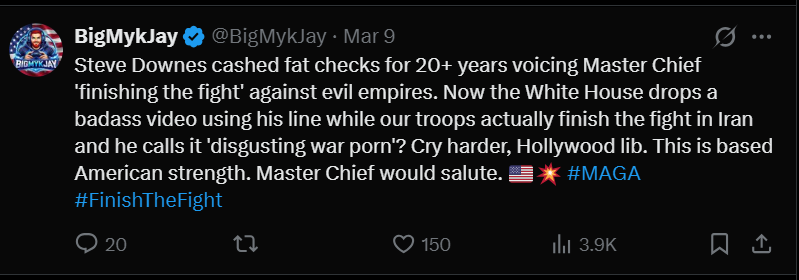
His words hit hard in the gaming community. Downes has always kept a low profile, focusing on his radio background before Halo made him a legend. Fans rallied behind him, with thousands liking and sharing his post.
One reply summed it up: “Master Chief fights aliens, not real wars. Keep games out of politics.” As of March 11, the video still hadn’t been pulled, and the White House hasn’t commented on his demand. Downes’s outburst echoes past moments when artists push back against unauthorized use, like musicians telling politicians to stop playing their songs at rallies.
What This Means for Pop Culture and Politics
This dust-up raises big questions about fair use and consent. Can the government snag pop culture bits for propaganda without asking? Legal experts say it might fall under parody or commentary, but Downes’s case could test that if he sues.
Microsoft hasn’t commented yet, but as Halo’s owner, they could step in. The war itself stems from escalating tensions, with U.S. strikes hitting Iran’s nuclear sites and setting back their program by years. Yet blending it with entertainment feels off to many, turning grave events into spectacle.
For fans, it’s a reminder that icons like Master Chief belong to stories, not state messages. Downes’s stand might inspire more creators to draw boundaries. As one Eurogamer article put it, this is where games meet geopolitics, and not everyone wants to play along.
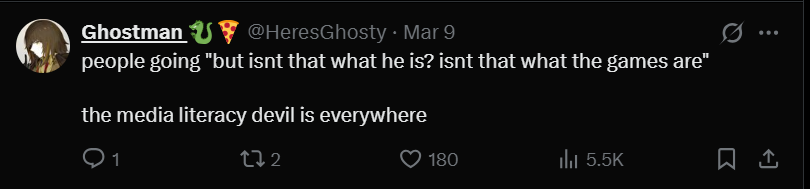
The story keeps unfolding, with more celebs likely to weigh in as the video circulates. In a world where social media shapes opinions, moments like this show the power and pitfalls of mixing fun with the fight.
What do you think?