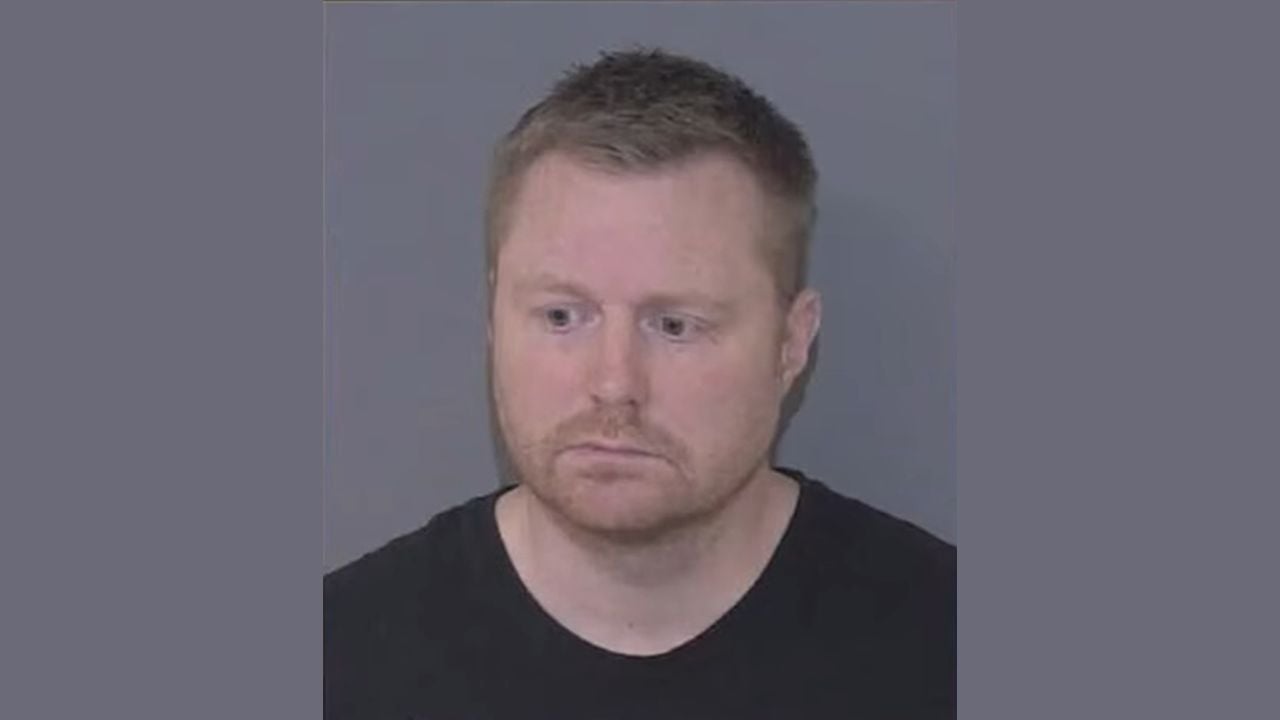
A North Carolina wedding venue owner pleaded guilty to wire fraud after prosecutors said he took more than $1 million from customers and investors tied to Champagne Manor, a wedding venue in Monroe.
Jason Lottman, 43, of Charlotte, formerly owned Champagne Manor, according to the U.S. Attorney’s Office for the Western District of North Carolina.
The scheme ran from October 2023 through January 2025 and involved both couples booking wedding packages and investors putting money into the venue.
Lottman pleaded guilty to wire fraud. A sentencing date has not been set, and the charge carries a maximum penalty of 20 years in prison.
Couples Paid Upfront for All-Inclusive Wedding Packages
Prosecutors said Lottman marketed all-inclusive wedding packages to customers who wanted to use Champagne Manor for their weddings. Those packages required customers to pay upfront for vendors, including caterers, photographers, florists, DJs, and hair and makeup artists.
Lottman represented that he would pay the vendors directly or reimburse customers who chose to use their own vendors. Instead, prosecutors said, he failed to pay the vendors. That left customers paying out of pocket for services they had already paid for through Lottman.
Investors Were Promised Ownership Interests and Returns
The fraud also involved people who invested in Champagne Manor. Prosecutors said Lottman solicited investment money by promising ownership interests, guaranteed returns, or other financial incentives.
To secure that money, he made false statements about the venue and its business prospects, according to court documents cited by the Justice Department.
One claim involved a planned glass ballroom. Lottman told victims Champagne Manor was acquiring the ballroom and that it would serve as collateral for certain investment programs.
Prosecutors said the ballroom was never purchased.
The Venue Was Already in Financial Distress
By mid-2024, Champagne Manor had defaulted on its mortgage, and foreclosure proceedings had begun.
Even though Lottman knew the venue was in severe financial distress and would ultimately stop operating, prosecutors said he continued taking payments from customers and investors.
He also concealed the venue’s financial condition and offered promotional discounts and investment-style programs promising future repayments or refunds that he knew he could not fulfill.
Prosecutors said Lottman falsely told victims they would receive payments by certain dates. When those payments did not arrive, he repeatedly misrepresented the reasons for the delays, according to the Justice Department.
Couples Can Check Where Vendor Money Is Going
Before paying for an all-inclusive wedding package, couples can ask for a written contract that names each vendor, explains who is responsible for paying them, lists payment deadlines, and states what happens if the venue closes, defaults, cancels, or fails to pay a vendor.
Large deposits should be tied to written invoices and receipts, not only verbal promises or promotional discounts. Anyone who believes a wedding venue, planner, or vendor took money through false promises should preserve the contract, invoices, receipts, emails, text messages, vendor confirmations, payment records, refund promises, and any promotional materials.
Reports can be made to local law enforcement, the North Carolina Attorney General’s Consumer Protection Division, and the FTC at ReportFraud.ftc.gov.