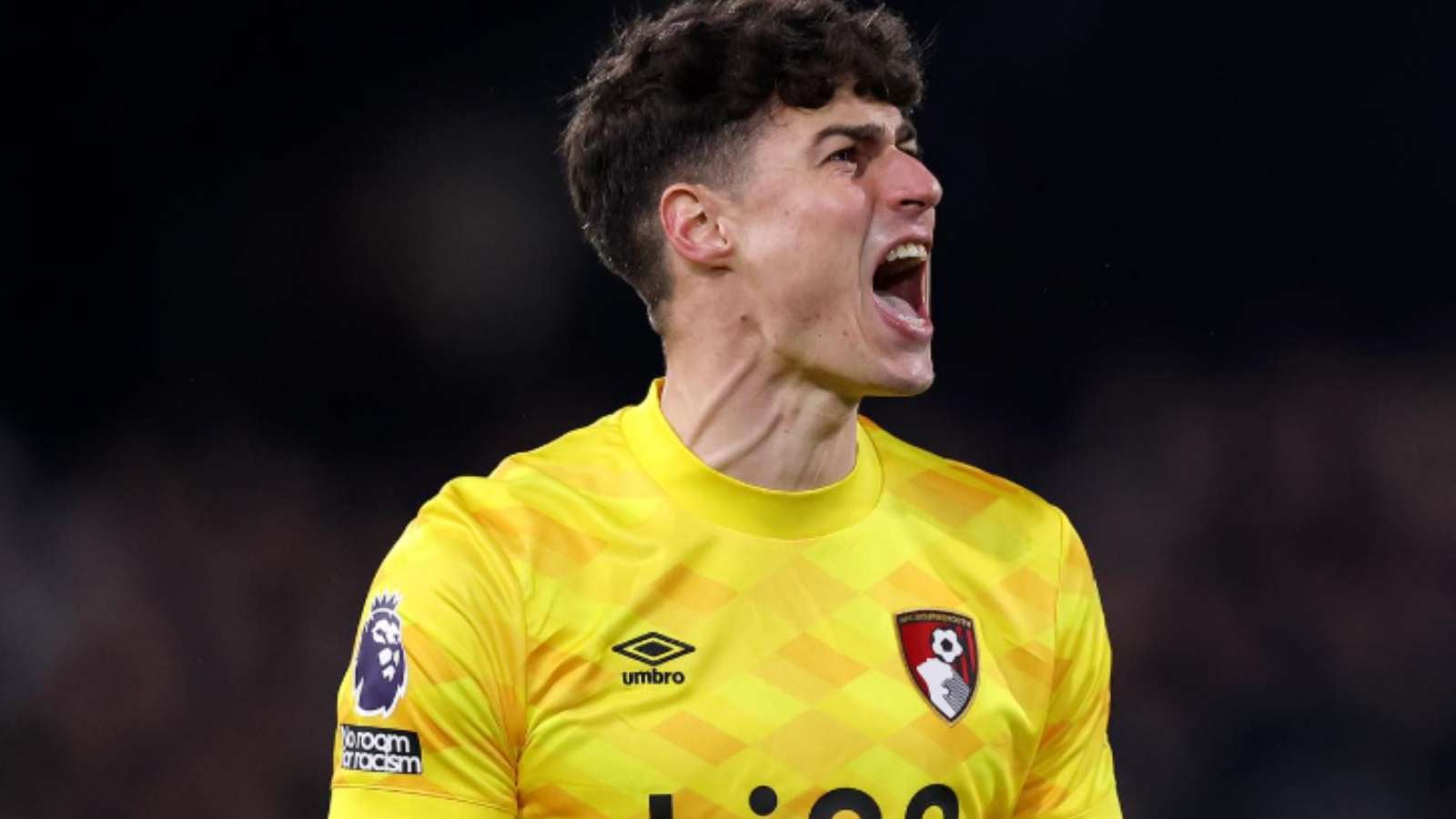
There are defeats, and then there are moments that feel like they echo long after the stadium empties. The kind that don’t just live in scorelines, but in body language. In the way a player stands still while everyone else moves on.
That was the real story of Kepa Arrizabalaga at Wembley, not just the mistake, not even the result, but what came after the final whistle. Because sometimes, football doesn’t need commentary. It just needs a camera that lingers.
And in that silence, you could almost hear the weight of every expectation, every hope pinned to his gloves, pressing down like invisible chains. It wasn’t anger, or despair, it was a quiet reckoning, a fleeting confession that even heroes stumble when the world watches, and that sometimes the heaviest burden isn’t conceding a goal, but carrying its memory long after the cheers have faded.
A Final That Slipped… Literally
On paper, the 2026 Carabao Cup final between Arsenal F.C. and Manchester City F.C. looked tight. For long stretches, it was. Arsenal were organized, patient, even hopeful. This wasn’t a collapse waiting to happen; it was a game balanced on details.
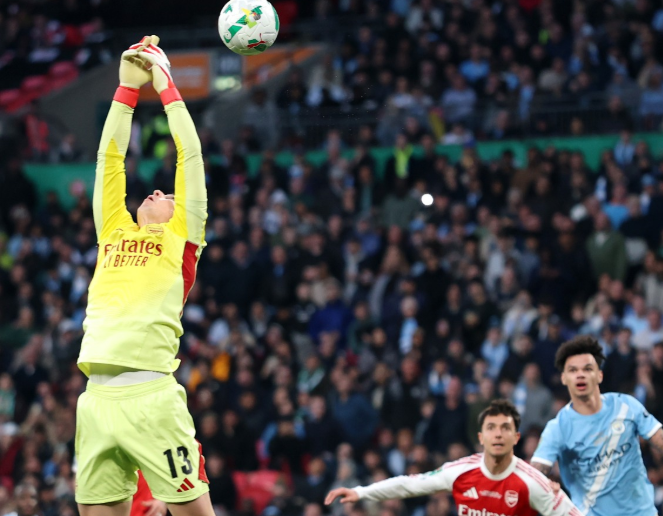
And then, one detail changed everything. Midway through the second half, a routine moment turned into something else entirely. A cross floated in, nothing extraordinary, the kind that goalkeepers collect in their sleep.
But this one slipped. Right through Kepa’s gloves. Nico O’Reilly was there, ready, grateful. 1–0. Four minutes later, it was 2–0. Same scorer. Same sinking feeling. Games like that don’t unravel slowly. They snap.
The Quiet After the Noise
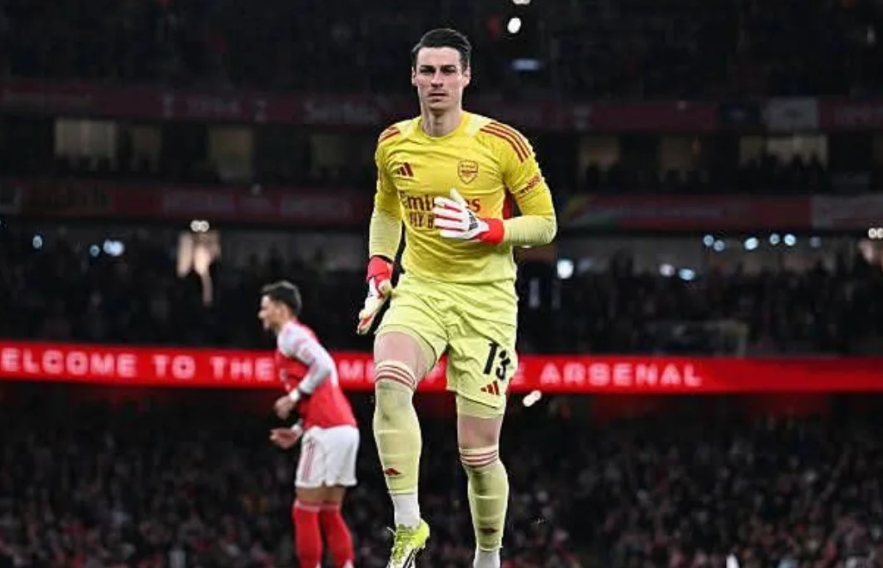
What followed wasn’t dramatic. He didn’t break. He wasn’t angry… at least not visibly. Just something quieter… and somehow heavier. At full-time, Kepa lose it. He didn’t plead. He didn’t perform. He just… absorbed it.
Other goalkeepers, teammates, opponents, men who understand the loneliness of that position, came over to him. A small circle formed, offering words that don’t fix anything but still matter.
That moment, more than the error itself, told the story. Because if you’ve watched football long enough, you know this truth: when goalkeepers make mistakes, they don’t get to hide. There’s no defender behind them. No second chance. Just consequence. And Kepa has lived this before.
Arteta’s Gamble

The bigger conversation, though, the one that will stretch beyond this match, is about choice. Mikel Arteta made a decision that, in isolation, made sense. Kepa had played throughout the competition. He had earned his place in the final. Dropping him for first-choice goalkeeper David Raya at the last moment would have felt… unfair.
Arteta stood by that logic even after the loss. But finals are not built on fairness. They are built on margins. And margins are ruthless. Critics have already framed the decision differently, not as loyalty, but as hesitation. Not as a principle, but as a miscalculation. And both things can be true, which makes this even more delicate.
This Wasn’t Just About Kepa

It’s easy… too easy, to turn this into a story about one man’s mistake. Football loves a villain. It simplifies things. But let’s take a closer look. Arsenal didn’t lose the final in that one moment. They lost control after that. They couldn’t respond. They couldn’t reset. And against a team like Manchester City, that’s fatal.
Before the error, the match was still alive. After it, Arsenal looked… unsure. Like a team that had been emotionally knocked off its axis.
That’s not on Kepa alone. That’s on structure. On leadership. On a squad that, for all its quality, is still learning how to absorb pressure when it matters most. And maybe the real story isn’t that Kepa cost Arsenal the final. It’s that Arsenal weren’t ready for what came after.
The Loneliest Position in Football
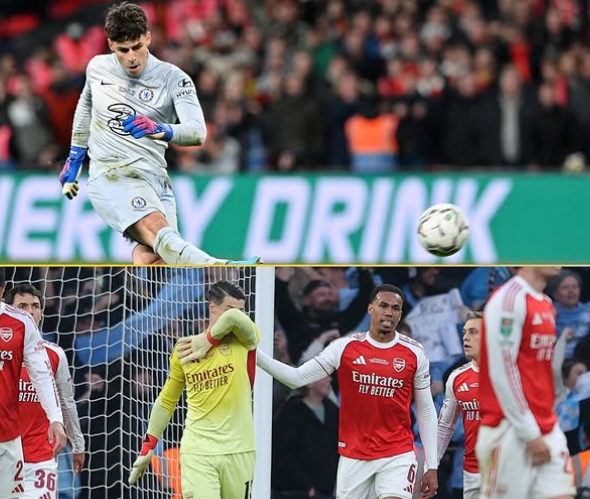
Still, none of that will follow Kepa as closely as the image of that moment. Because goalkeeping is a strange kind of existence. You can be brilliant for 89 minutes, and nobody remembers. But one second… just one, and it becomes your identity.
This is a player who once became the most expensive goalkeeper in history. A player who has won the Champions League. A player trusted enough to be handed a cup final. And yet, the conversation circles back to the same word: mistake. There’s something almost unfair about that. But also something undeniably true.
And yet, beneath the scrutiny and the headlines, there’s a human being navigating triumph and failure in equal measure, learning, enduring, and carrying the quiet resilience that rarely makes the highlight reels. Every misstep is a lesson etched into muscle memory, every praise a fleeting echo, and through it all, Kepa remains, navigating the delicate balance between expectation and reality, knowing that the next save, or slip… will shape the story again.
What Next?

Football moves fast. Too fast, sometimes. Another match will come. Another competition. Another chance. Kepa will train again. He will start again. Because that’s what professionals do, they return to the same stage that hurt them and pretend it doesn’t.
But moments like this don’t disappear. They settle somewhere deeper. They shape how a player is seen… and how he sees himself. And maybe that’s why the final whistle felt so heavy.
Not because Arsenal lost. But because, for a few seconds, you could see exactly what it cost one man to be part of that loss. No headlines needed. And in that quiet aftermath, there’s a subtle, almost invisible growth taking place… a resilience forged not in victory, but in confrontation with one’s own limits.
Each breath, each step back onto the pitch, carries the weight of reflection and the promise of redemption, a reminder that legacy isn’t only written in trophies, but in the courage to face what haunts you and keep moving forward anyway.