Hollywood is built on illusion. A fake punch lands, a blank round fires, a stunt looks terrifying, and the audience walks away thrilled because everyone made it home. But every so often, the line between performance and real life vanishes in the worst possible way.
A few actors never got to take the next call, finish the next scene, or see the final cut. Their deaths turned ordinary production days into moments the industry still talks about decades later.
Here are ten actors who died on set.
Steve Irwin
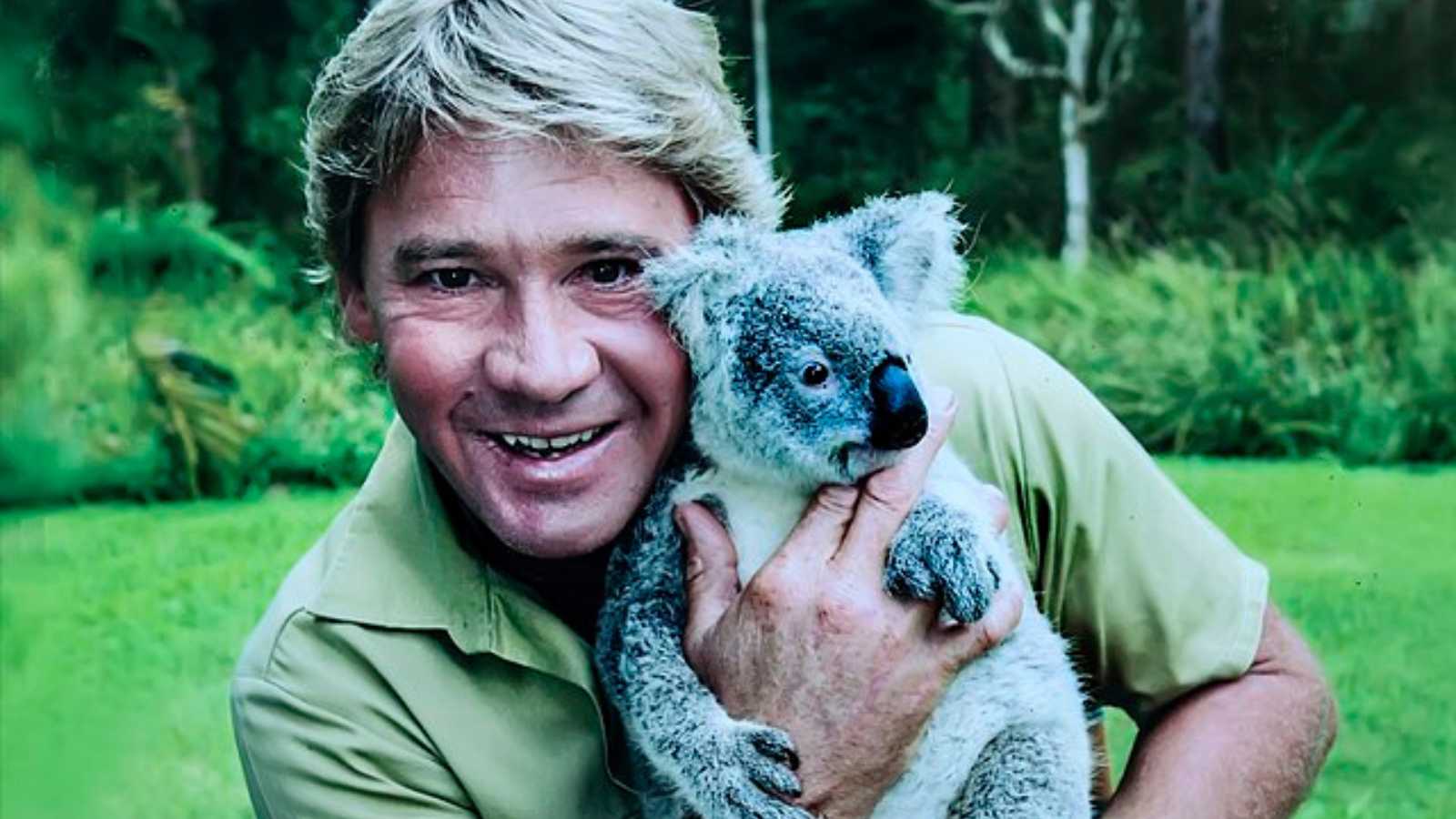
Steve Irwin was not a conventional actor, but he was absolutely a screen performer, and he died while doing exactly what made him famous. In September 2006, Irwin and his crew were filming a documentary near Australia’s Great Barrier Reef when they encountered a large stingray in shallow water. He moved in close for footage of the animal swimming away, but the stingray struck repeatedly, inflicting a fatal wound over his heart.
Irwin died at 44, and the world lost a host whose fearless enthusiasm had made wildlife television feel electric. His death was a devastating example of how filming in the natural world can turn deadly in seconds.
Redd Foxx
Redd Foxx built one of television’s most famous running gags around fake heart attacks. On Sanford and Son, his character Fred Sanford would clutch his chest and cry out, “This is the big one,” to roaring laughter.
In 1991, while rehearsing his sitcom The Royal Family, Foxx collapsed while joking with castmates, and at first, people assumed it was just another bit. It was not. He died hours later of a heart attack at age 68, turning a comic signature into a heartbreaking real-life echo.
Brandon Lee
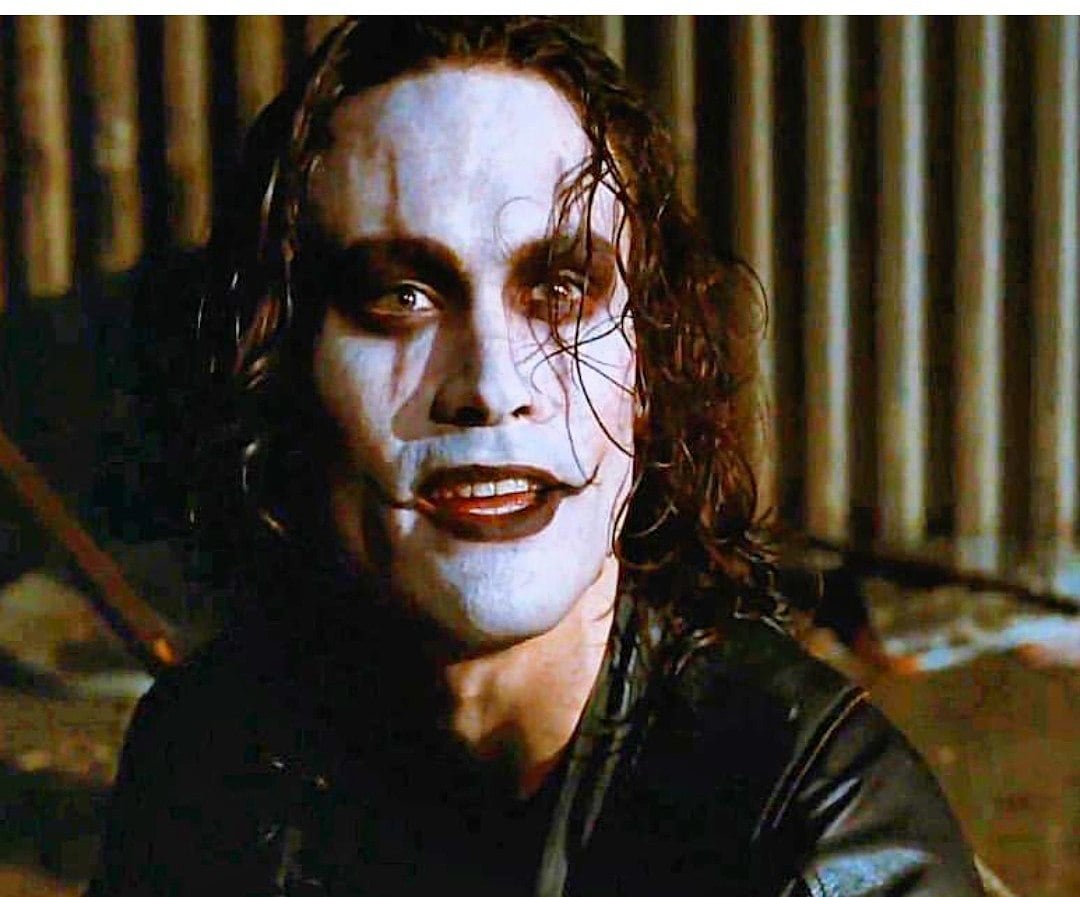
Few on-set tragedies remain as haunting as Brandon Lee’s death during the filming of The Crow. Lee, the son of Bruce Lee, was just 28 and seemed poised for a breakout career when a gunfire scene went catastrophically wrong in March 1993. A prop gun that should have discharged blanks instead expelled a lodged projectile, striking him in the abdomen.
He underwent emergency surgery, but he did not survive, and the film later had to be completed with body doubles and visual effects. That one accident permanently changed how people talk about prop weapons on film sets.
Vic Morrow
The death of Vic Morrow on Twilight Zone: The Movie remains one of the darkest chapters in film history. Morrow was filming a Vietnam-set sequence in which his character carried two young co-stars through a swamp during a helicopter attack. The stunt went disastrously wrong, and the helicopter accident killed all three performers.
The fallout went far beyond grief, leading to an involuntary manslaughter trial involving director John Landis and other crew members, though they were eventually acquitted. Even now, the case stands as a brutal reminder that ambition on set can carry terrible consequences when safety fails.
Jon-Erik Hexum
Jon-Erik Hexum’s death still shocks people because of how senseless and sudden it was. While working on the CBS series Cover Up in 1984, the 26-year-old actor grew frustrated during filming delays and jokingly put a prop gun to his head before pulling the trigger.
The weapon did not fire a real bullet, but the force was powerful enough to drive bone fragments into his brain. After surgery, a coma, and brain death, Hexum died six days later. His story is one of the clearest examples of how “fake” weapons on set are never truly harmless.
John Ritter
John Ritter’s death felt especially cruel because it came during a successful television comeback. While filming 8 Simple Rules in September 2003, Ritter began feeling sick on set and complained of chest pain. He was taken to Providence St. Joseph Medical Center, where doctors initially believed he was having a heart attack.
Further examination revealed an aortic dissection, a condition that can turn fatal with terrifying speed, and Ritter died at age 54. For fans, it was the loss of one of television’s most effortlessly lovable stars, and for the cast around him, it was a normal workday that became an unimaginable tragedy.
Martha Mansfield
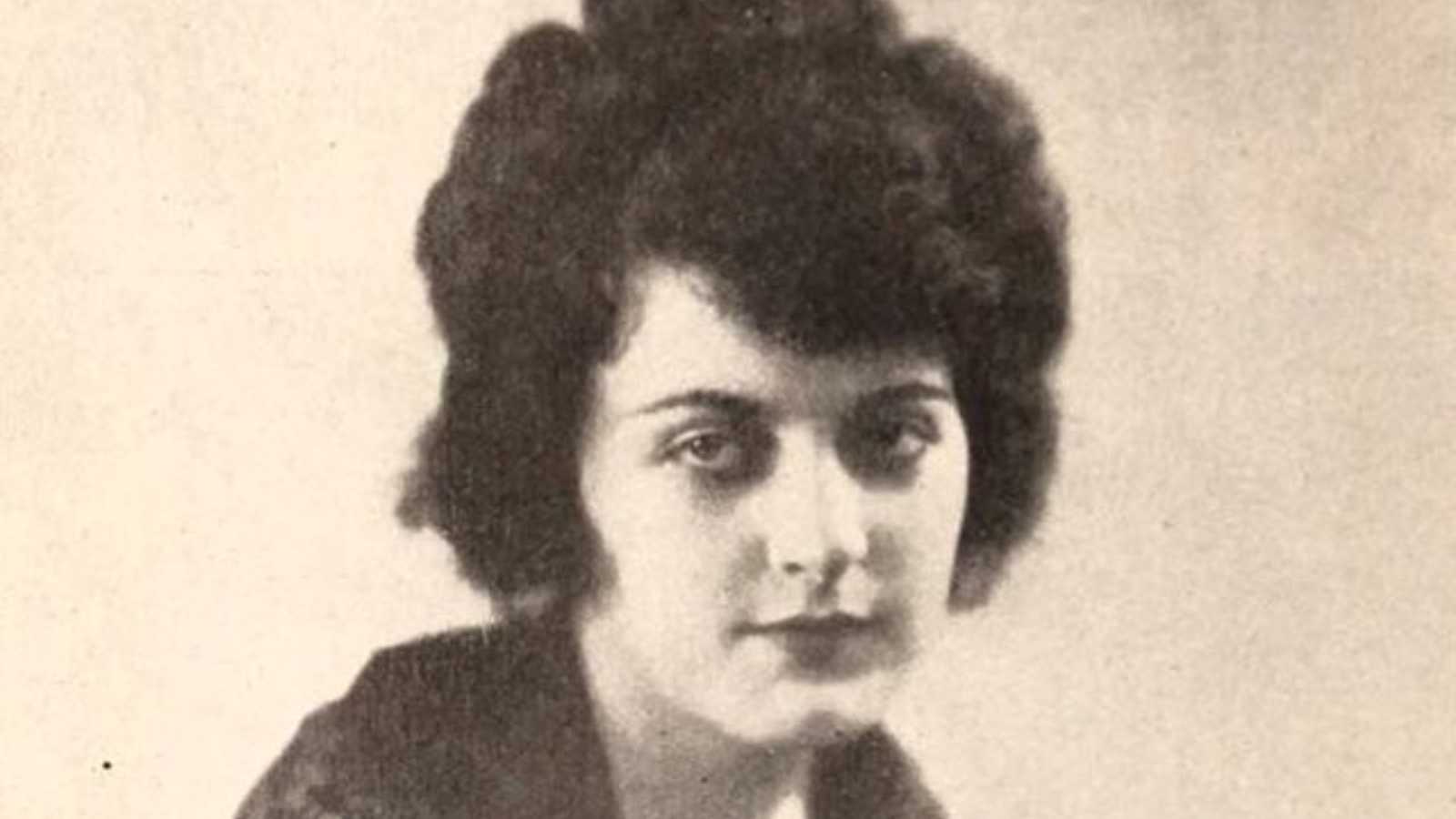
Silent-era actress Martha Mansfield’s death sounds like something from a nightmare. In 1923, after filming scenes for The Warrens of Virginia, the 23-year-old was sitting in a car on set with friends and co-workers when someone lit a match. The flame caught the fragile fabric of her costume and engulfed her.
Although actor Wilfred Lytell tried to smother the fire with his coat, Mansfield suffered severe burns and later died in the hospital. Her death captured the terrifying risks of early filmmaking, when costumes, lighting, and set conditions often posed hazards that modern productions would never accept.
Tommy Cooper
Tommy Cooper’s final performance was tragic in a way almost too cruel to process. The beloved British comedian and magician was appearing live at Her Majesty’s in April 1984, performing one of his familiar stage routines. During the act, he collapsed in front of the audience, and many viewers assumed it was part of the joke because Cooper’s comic style thrived on awkward chaos.
It was actually a heart attack. The broadcast cut to commercial, and Cooper was later pronounced dead at age 63, leaving behind one of television’s most unsettling examples of a live show turning real in an instant.
Roy Kinnear
Roy Kinnear’s death was not immediate, which somehow makes it feel even sadder. While filming The Return of the Musketeers on location in Spain in 1988, the veteran British actor fell from a horse and suffered a broken pelvis. He was taken to a hospital in Madrid for treatment, but he later suffered a fatal heart attack.
Kinnear died at 54, and the finished film was eventually released with a dedication to him. His death underscored a hard truth about production accidents: sometimes the worst moment is not the fall but what follows.
Tyrone Power
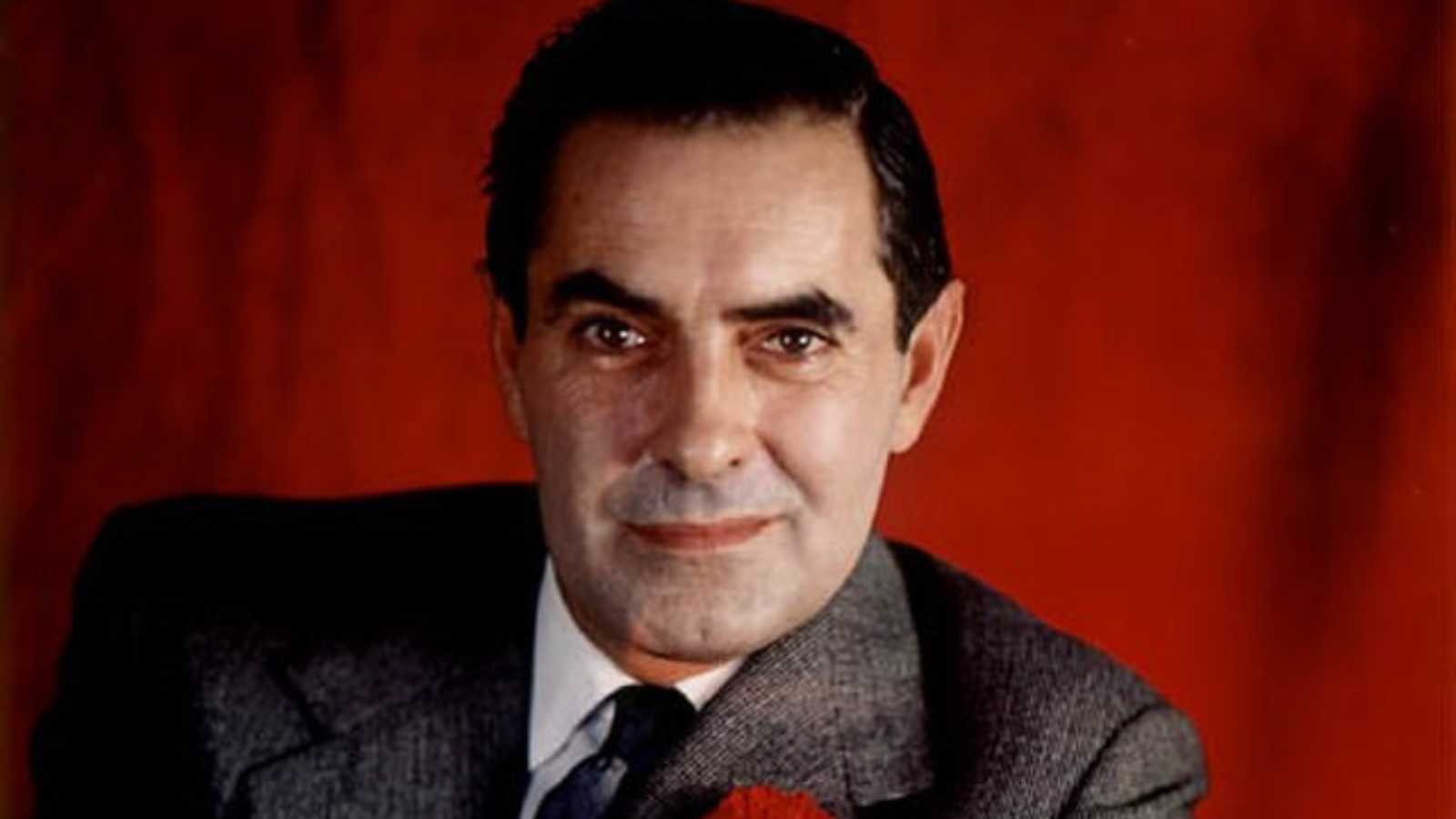
By the late 1950s, Tyrone Power had already secured his place as one of Hollywood’s great leading men. While filming Solomon and Sheba in Spain in November 1958, he completed a physically demanding sword-fighting scene with George Sanders. After the take, he reportedly began shaking and said he felt cold and achy.
He died on the way to a hospital in Madrid after suffering a heart attack at 44. The image is especially haunting because it came after a swashbuckling action sequence, the exact kind of larger-than-life role that helped make him a star.
Conclusion
Film and television sets are designed to create controlled chaos. Explosions are timed, weapons are checked, animals are managed, and performers place enormous trust in the people around them. These stories are so haunting because they break that trust in an instant. Some of these actors died in freak accidents, some from sudden medical emergencies, and some in situations that exposed major safety failures, but all of them left behind productions forever marked by loss. Their final performances became part of entertainment history for reasons no one ever wanted.