
Television has always reflected the values of the era in which it was created. For Baby Boomers, TV shows were a central part of family life, offering entertainment, humor, and sometimes controversial commentary. But as times change, so do societal norms, and what was once funny or groundbreaking can now be seen as problematic.
Here are 10 classic TV shows from the Baby Boomer era that would probably be canceled today, thanks to outdated humor, stereotypes, and social norms.
All in the Family (1971–1979)
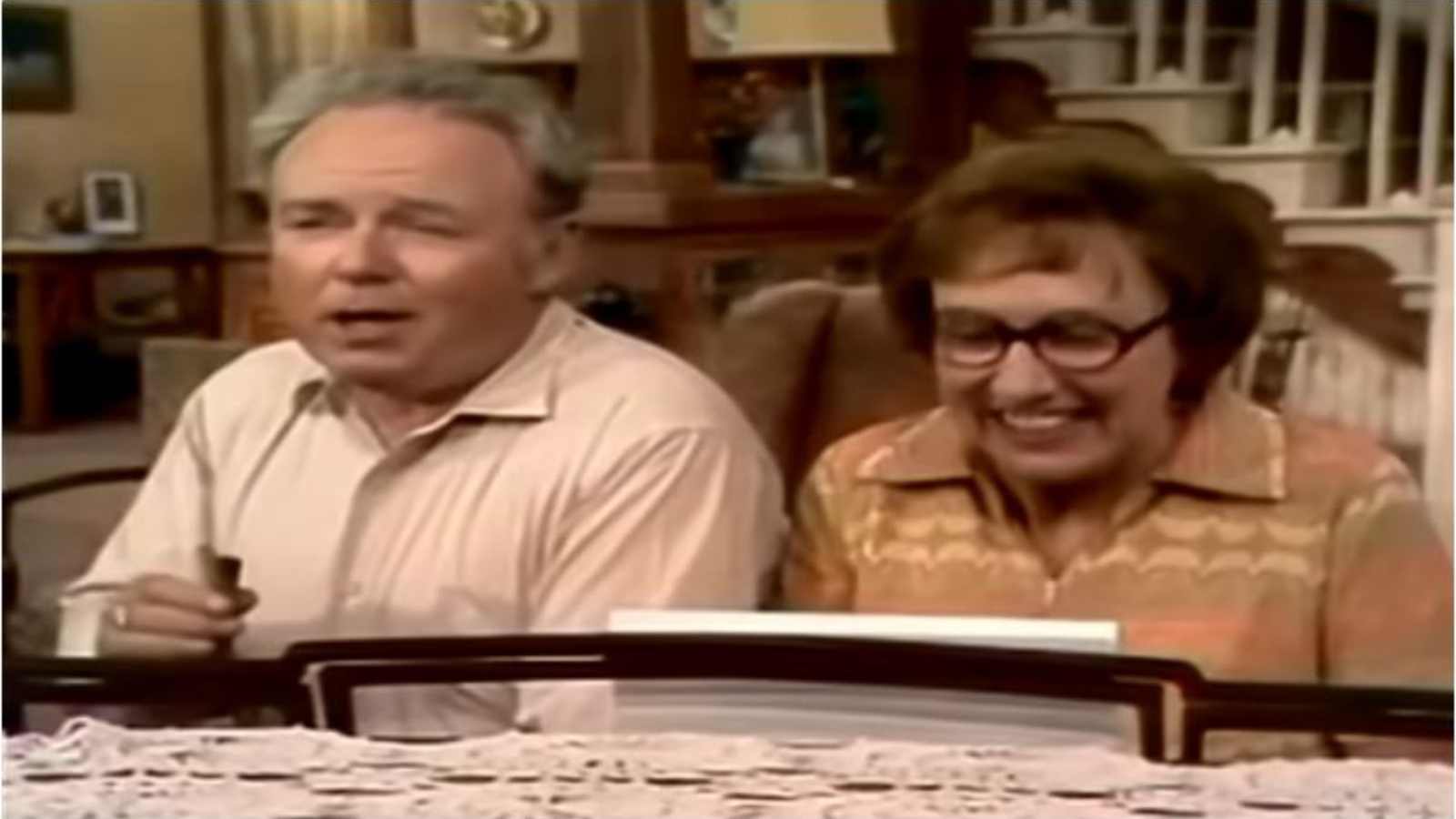
All in the Family introduced the world to Archie Bunker, a working-class man with deeply ingrained prejudices. While the show’s satire aimed to highlight societal issues like racism and sexism, the offensive humor would likely not fly with modern audiences. Today, television demands more respectful treatment of sensitive topics, and Archie’s bigotry would likely provoke an immediate backlash.
The Honeymooners (1955–1956)
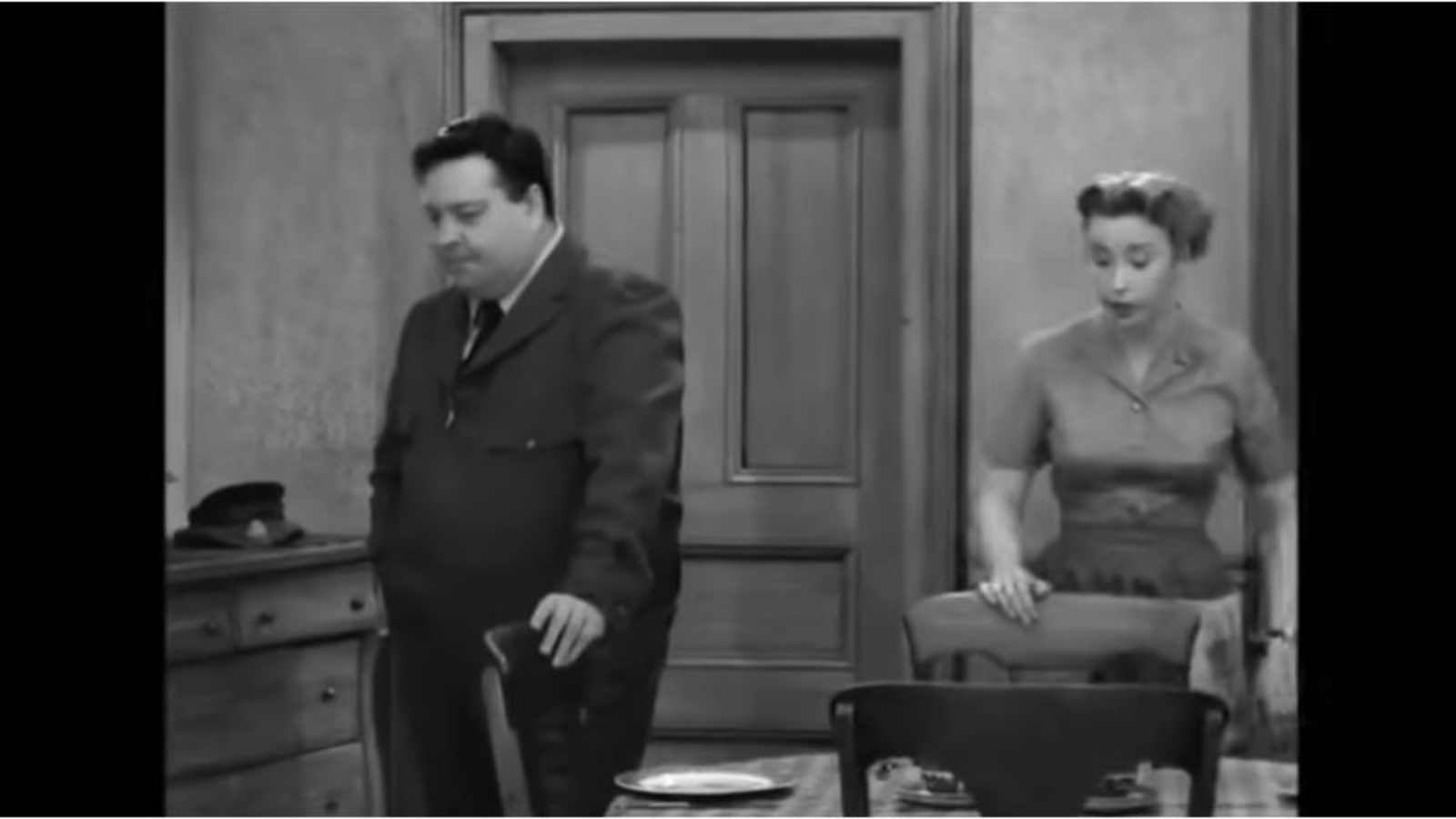
Ralph Kramden’s famous line, “One of these days, POW! Right in the kisser!” may have once been part of the humor in The Honeymooners, but in today’s world, jokes about domestic violence are no laughing matter. What was once an iconic comedic moment would be seen as deeply problematic, and the show would likely be canceled for promoting abusive behavior.
Three’s Company (1977–1984)
The premise of Three’s Company, Jack pretending to be gay so he can live with two women, relied heavily on sexual misunderstandings and stereotypes about LGBTQ+ people. The outdated portrayal of sexuality would likely make Three’s Company a show audiences today would view as insensitive. With more progressive portrayals of gender and sexual identity now the standard, the show’s humor would fall flat.
Married… with Children (1987–1997)
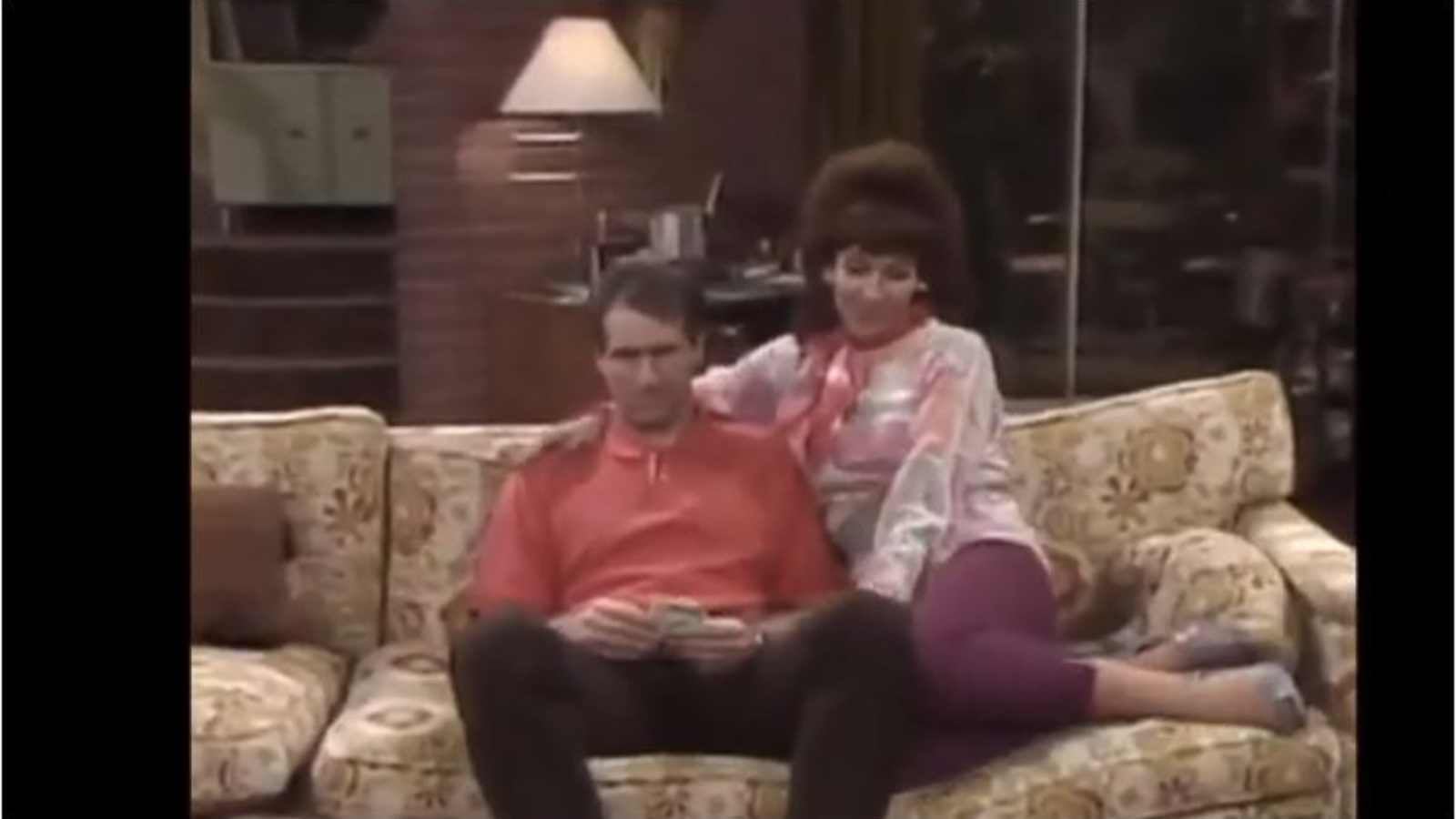
Married… with Children was built around a family dynamic filled with sarcasm, insults, and cruelty. Al Bundy’s endless mockery of his wife, children, and the world around him thrived on misogyny and objectification. In today’s media climate, where respectful and empowering depictions of family life are prioritized, the show’s toxic humor would likely be seen as unacceptable.
MAS*H (1972–1983)
MASH* is widely regarded as one of the greatest TV shows ever made, blending humor with serious wartime issues. However, characters like Hawkeye Pierce, who frequently flirted with nurses, would now be seen as engaging in workplace harassment. Today’s TV shows take issues like sexual harassment much more seriously, and the show’s flirtations would not be considered acceptable.
The Dukes of Hazzard (1979–1985)
The Dukes of Hazzard might have been a fun action-comedy with two cousins outsmarting corrupt officials, but the Confederate flag on their car is a major point of controversy today. Once considered a symbol of rebellion, the flag is now widely associated with racism and white supremacy. In today’s climate, the show would likely be pulled for promoting such a divisive and harmful symbol.
Charlie’s Angels (1976–1981)
Charlie’s Angels is remembered for its action-packed storylines featuring strong female leads, but the show was also notorious for focusing on the actresses’ physical appearances. The show’s “jiggle TV” label, which emphasized the women’s bodies over their roles as crime fighters, would be viewed as demeaning and problematic by today’s audiences, who demand more respect and empowerment for women on screen.
Gilligan’s Island (1964–1967)
Gilligan’s Island was a light-hearted show about seven stranded castaways, but some of its gender portrayals haven’t aged well. Women were either depicted as glamorous beauties or nurturing caretakers, reinforcing traditional stereotypes. Today, there’s an expectation for more diverse and empowering depictions of women, and Gilligan’s Island wouldn’t meet those standards.
Bewitched (1964–1972)
In Bewitched, Samantha, a powerful witch, suppresses her magical abilities to fit into her marriage to a mortal man. While the show was groundbreaking in some respects, its central message, that a woman must suppress her talents to please her husband, would likely be criticized today. Modern TV shows favor strong, independent female characters who embrace their power without conforming to outdated gender expectations.
The Benny Hill Show (1969–1989)
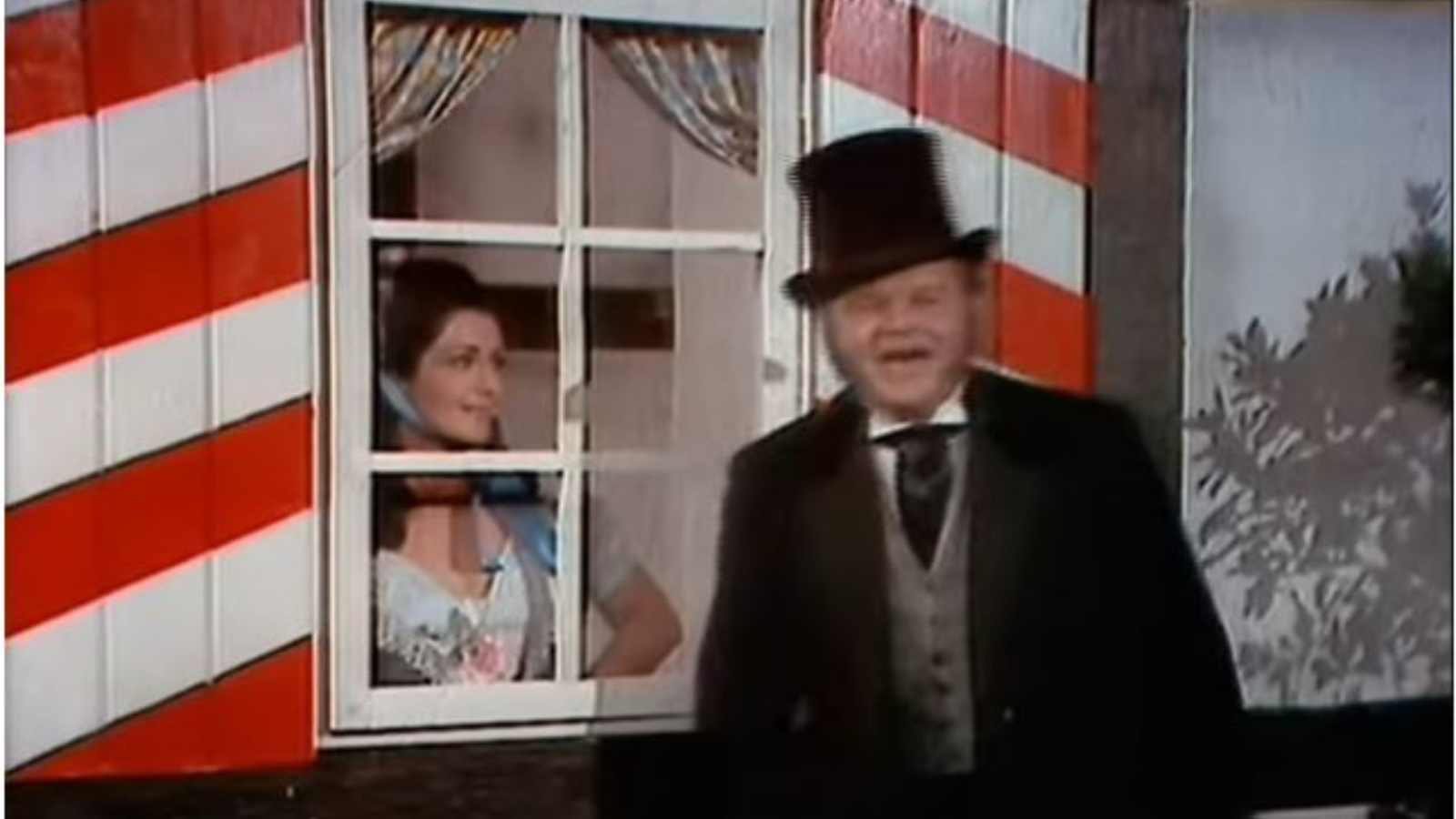
The Benny Hill Show was known for its slapstick humor, sped-up chase scenes, and an overwhelming focus on women’s bodies. The show’s reliance on sexist jokes and objectification of women would not be acceptable in today’s television landscape. Modern viewers would likely find The Benny Hill Show outdated, crude, and offensive, making it a show that would definitely face cancellation if it were aired today.
Conclusion
As society evolves, so too does the content we consume. Many classic TV shows from the Baby Boomer era, once loved for their humor and social commentary, would be seen as insensitive and outdated by today’s standards. From sexist jokes to racial stereotypes and problematic power dynamics, these shows are a reflection of a time when television didn’t yet have to consider the modern viewer’s growing demand for inclusivity and respect. While these shows will always hold a nostalgic place in TV history, their portrayal of controversial subjects would likely make them unwatchable by today’s standards.