Fairy tales are cherished stories passed down through generations, delighting children with their whimsical characters, magical lands, and happy endings. However, the original versions of these tales often harbored dark, disturbing elements that paint a much grimmer picture.
These classic stories, before they were sanitized and adapted for modern audiences, contained violence, betrayal, and grotesque punishments, often reflecting the harshness of life centuries ago. They served as cautionary tales, intended to teach lessons about survival, morality, and the dangers of a cruel world.
Let’s explore some of the darkest fairy tales ever told and uncover the twisted origins behind these well-known classics.
Red Riding Hood’s Fate
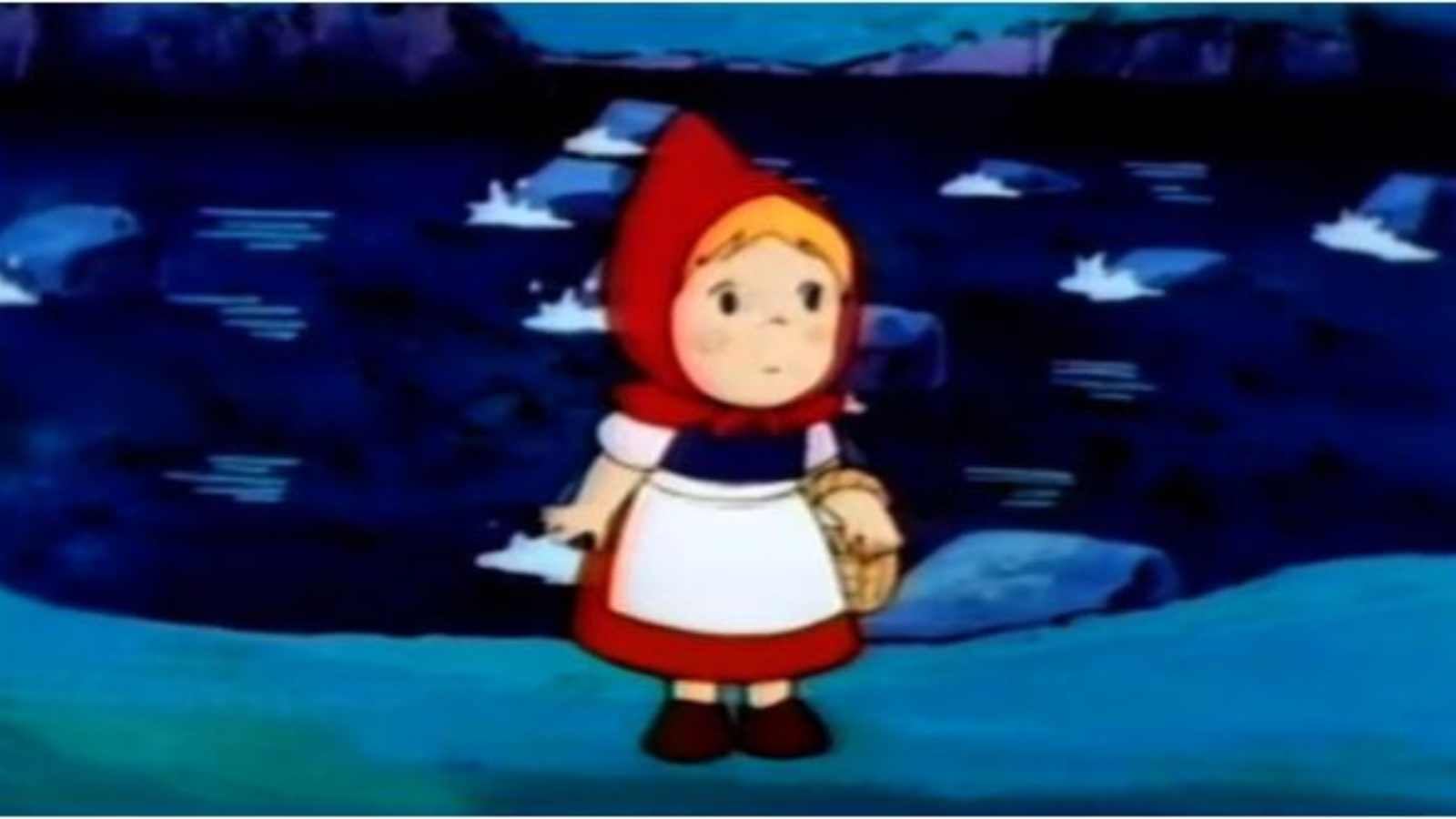
Early versions of Little Red Riding Hood are far darker than the modern-day retelling. In the original tale, there is no heroic woodsman to save the day. The wolf kills both the grandmother and Red Riding Hood, and in some versions, he serves the grandmother’s flesh to the girl before consuming her. The tale was originally meant to be a stark warning about the dangers of strangers, an unsettling reflection of a time when trust was scarce.
Cinderella’s Horrific Stepsisters
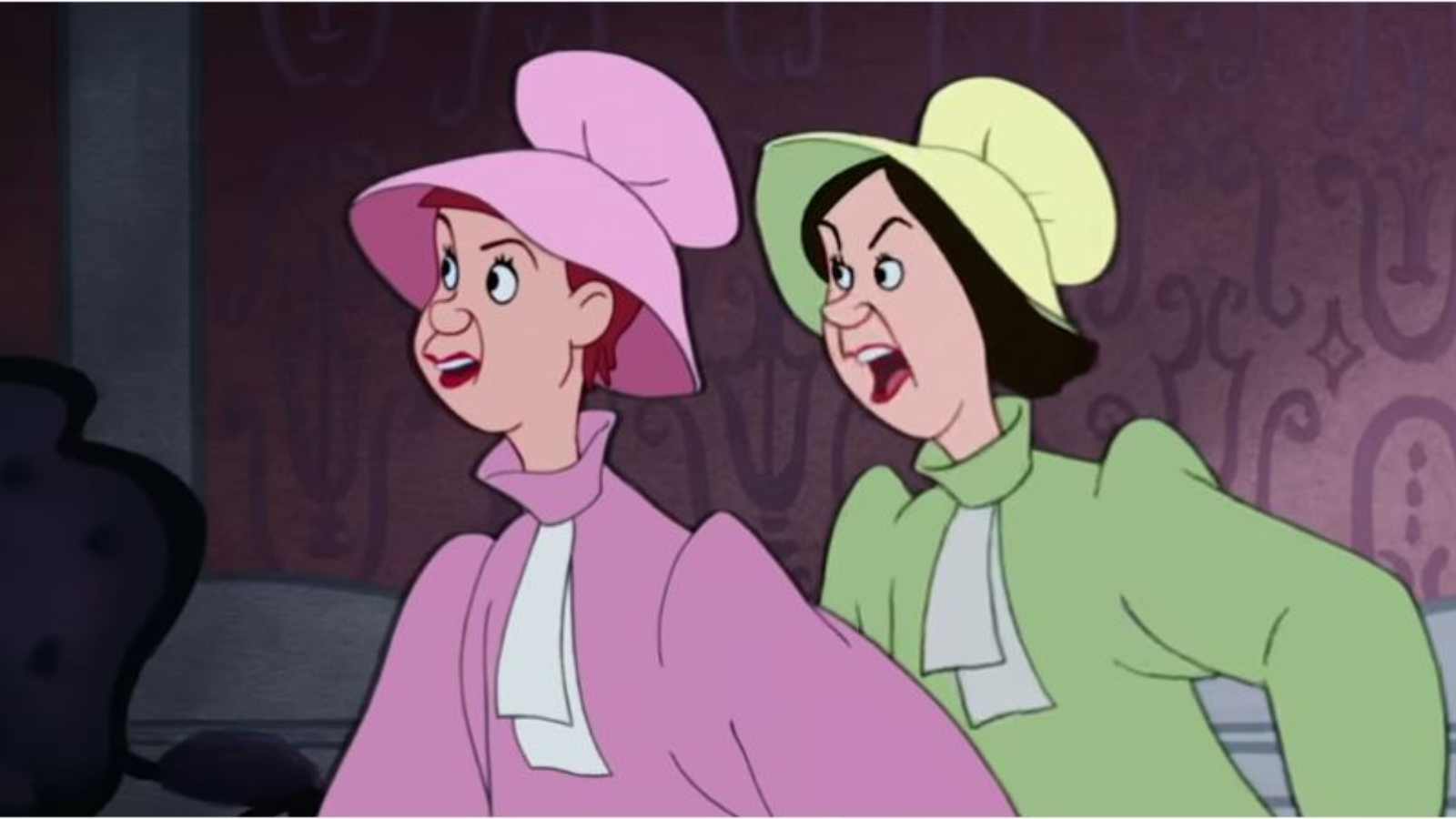
In the Brothers Grimm version of Cinderella, the stepsisters are so desperate to fit into the glass slipper that they resort to gruesome methods. One sister cuts off her toes, while the other slices off part of her heel, believing that deception will win the prince’s love. The prince, initially fooled, soon discovers the blood dripping from the slipper. As a form of divine justice, birds peck out the stepsisters’ eyes at Cinderella’s wedding, an unsettling reminder of the consequences of vanity and deceit.
Snow White’s Evil Queen Meets a Horrible End
The tale of Snow White takes a dark turn when the wicked queen receives a brutal punishment. After being revealed as the villain, the queen is condemned to wear a pair of red-hot iron shoes and dance in them until her death. But her attempts to murder Snow White are not limited to the poisoned apple; she tried to kill Snow White several times, including through poisoning and strangulation. The iconic apple is just the most well-known of her deadly schemes.
The Little Mermaid’s Painful and Tragic Fate
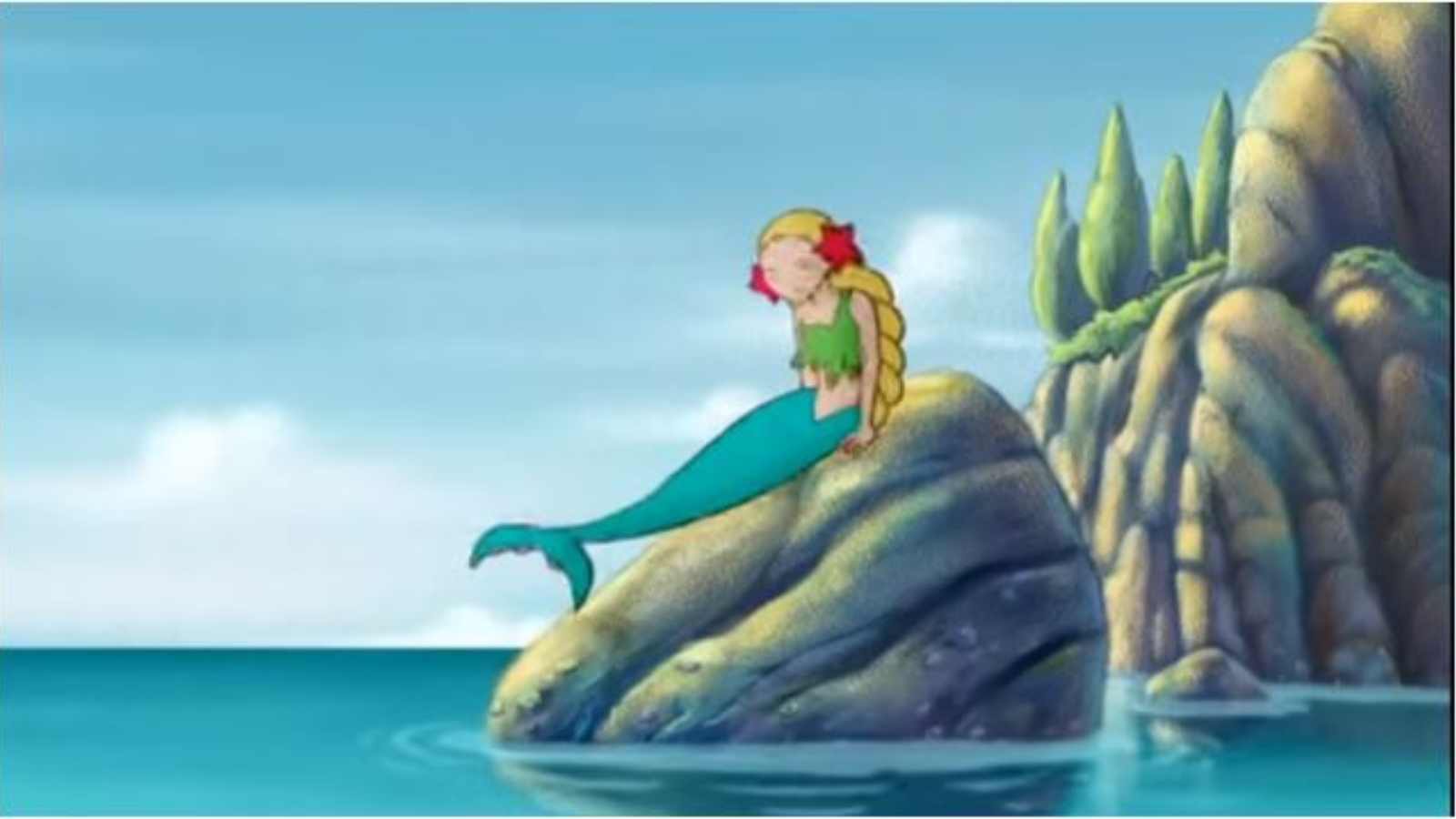
Hans Christian Andersen’s The Little Mermaid presents a far more tragic and heartbreaking story than its modern counterparts. In the original tale, the mermaid’s every step on land feels like walking on knives. When the prince marries another, she is given a chance to kill him and return to the sea. Unable to commit the murder, she chooses to throw herself into the ocean, where she dissolves into sea foam. Only then does she become a spirit, hoping to earn a soul through good deeds over centuries.
Rapunzel’s Exile and Betrayal
In the earliest versions of Rapunzel, the young woman’s story is much more tragic. After becoming pregnant by the prince, the witch discovers the truth when Rapunzel’s clothes no longer fit. Enraged, the witch cuts off Rapunzel’s hair and banishes her into the wilderness, where she gives birth to twins. The story, once about a young girl trapped in a tower, becomes a tale of betrayal, punishment, and hardship.
The Dark Origins of Sleeping Beauty
The first version of Sleeping Beauty, known as Sun, Moon, and Talia from Italy, contains disturbing elements that were later removed in the popular retelling. The princess is not woken by a kiss, but rather, by an assault while unconscious. She later gives birth to twins while still in her enchanted sleep. One of the babies sucks the splinter from her finger, finally waking her. This original story is considered one of the most disturbing origins of a beloved fairy tale.
Hansel and Gretel’s Abandonment
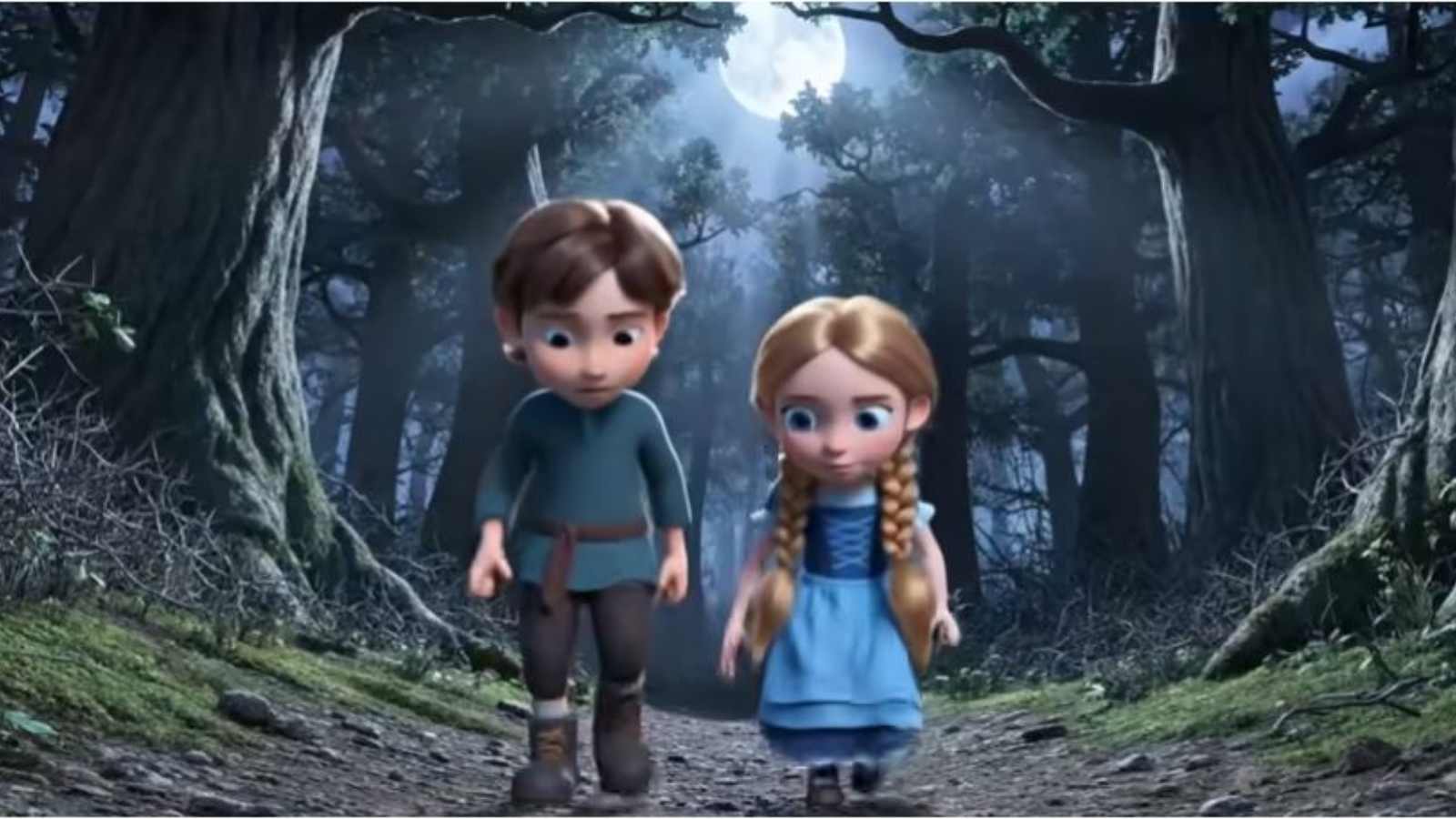
In the famous fairy tale Hansel and Gretel, the children are abandoned in the forest by their own parents because the family can no longer afford to feed them. The parents’ decision to abandon their children in the wilderness highlights the real-world fears of starvation and desperation in medieval Europe. The tale originally served as a grim warning about survival, the dangers of isolation, and the harsh reality faced by many during periods of famine.
The Pied Piper’s Dark Revenge
The Pied Piper of Hamelin is another fairy tale that ends in tragedy. After the town refuses to pay the Piper for his services in ridding the town of rats, he returns, playing his magical pipe to lead the town’s children away. In many versions, the children are never seen again. This story may have been inspired by a real historical event in medieval Germany, where a mass disappearance of children was linked to an unknown tragedy.
Beauty and the Beast’s Original Symbolism
The original Beauty and the Beast tale was meant to symbolize the societal pressures of arranged marriages. In the 1700s, young women were often married off to much older men, whom they barely knew or understood. The terrifying Beast in the story represented the fears that many brides had of their husbands. The lesson of the tale was to look beyond physical appearances and find kindness, reflecting the difficult realities women faced in those times.
The Frog Prince
In the original Grimm version of The Frog Prince, the princess is initially disgusted by the frog and violently throws him against a wall. Instead of the transformation occurring through a loving kiss, the prince changes only after the princess’s violent action. The story’s emphasis is on the importance of keeping promises, rather than on a romantic fairy tale.
Bluebeard’s Gruesome Secret
The fairy tale Bluebeard tells the story of a man who forbids his wife from entering a specific room in his house. When she disobeys, she discovers the corpses of his previous wives hanging inside. Bluebeard then attempts to kill her as well, but she is saved by her brothers, who rescue her and kill the murderous man. This chilling story focuses on the themes of curiosity and betrayal, highlighting the terrifying consequences of disobedience.
Rumpelstiltskin’s Violent Fury
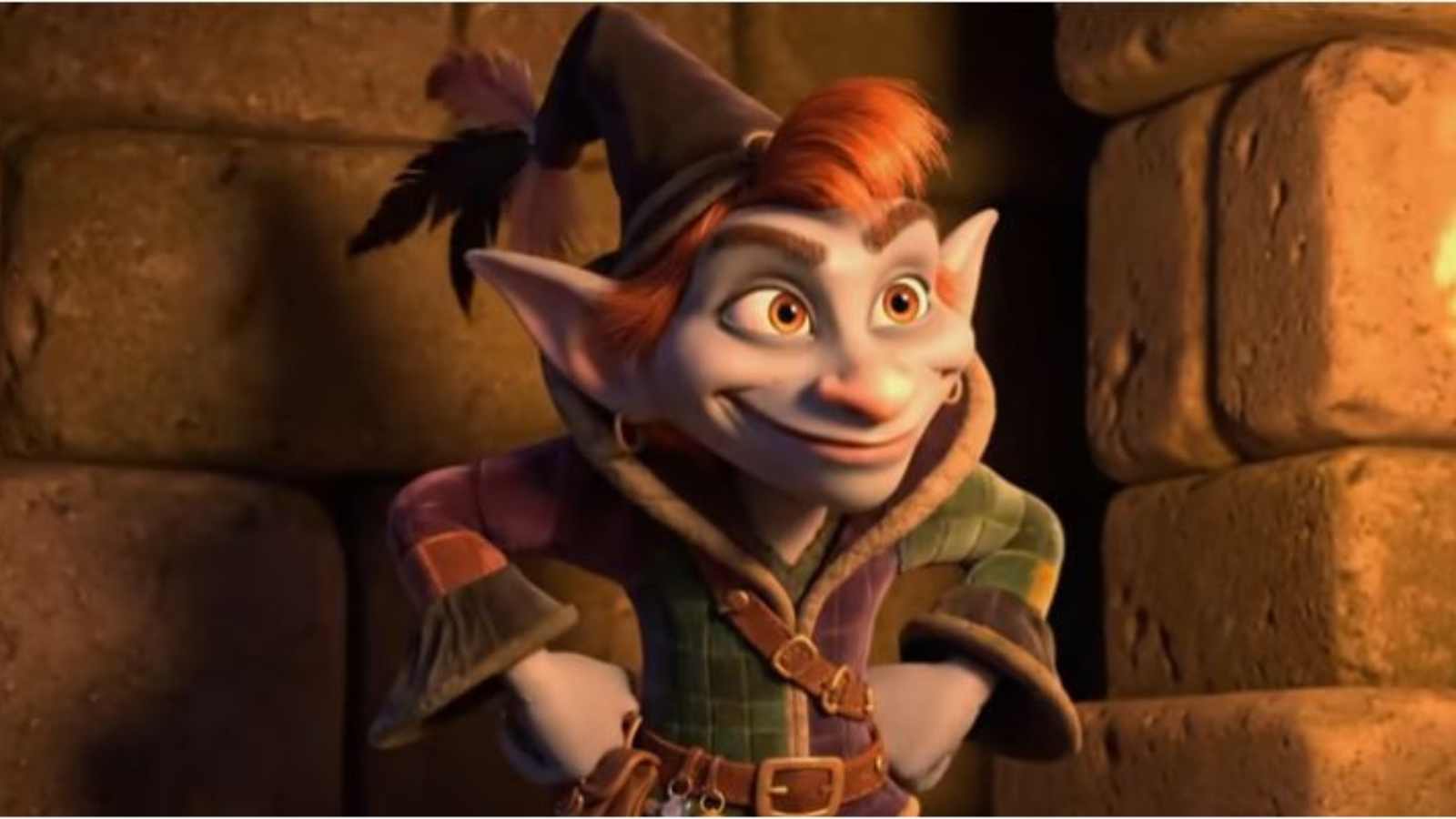
In some versions of Rumpelstiltskin, the magical creature does not merely disappear in defeat when his name is guessed. Instead, he becomes so enraged that he stomps his foot and literally tears himself apart. This violent reaction showcases the intensity of the magical creature’s fury and the perilous nature of his dealings.
Conclusion
These dark origins of classic fairy tales remind us of the harsh realities that shaped folklore and storytelling throughout history. While modern adaptations have softened these tales to create charming narratives, the original versions reflect a world filled with danger, moral lessons, and grim justice. They serve as a window into the past, when life was often brutal and survival a constant challenge.
These stories, while deeply unsettling, have shaped the cultural fabric of fairy tales and continue to captivate audiences, offering both a warning and a reflection of the complexities of the human experience.