
Most disaster movies behave like physics is an annoying relative who was never invited to the premiere. Oceans rise on command, fire outruns logic, and scientists spend half the film shouting obvious warnings at people who apparently hate survival. That is part of the fun, of course, but it also makes the rare grounded disaster movie feel sharper, smarter, and strangely more terrifying. When a film gets the science even partly right, the danger stops feeling like fantasy and starts feeling like a glimpse of what could actually go wrong.
The best examples do not have to be perfect. Some of them still compress timelines, heighten drama, or let a single heroic face carry the weight of an entire research community. What matters is that the underlying mechanism is real, the technical details are not completely made up, and the crisis unfolds in a way that respects how the world actually works.
These are the disaster movies that understood a powerful truth Hollywood forgets all the time: reality is already dramatic enough.
Apollo 13 proved that technical detail can be more gripping than special effects

The result is a film in which tension arises from oxygen, power, math, and human judgment, making it far more suspenseful than random cinematic chaos.
Contagion understood how panic spreads almost as fast as a virus
If one disaster movie has aged from “smart thriller” to “uncomfortably familiar,” it is Contagion. Steven Soderbergh’s film earned praise from infectious disease experts for the way it handled transmission chains, contact tracing, public fear, misinformation, and the maddeningly slow process of developing and distributing a vaccine.
Even before COVID-19, experts were calling it one of the more accurate outbreak films ever made. After 2020, its calm, clinical realism stopped feeling clever and started feeling eerie.
Deepwater Horizon made industrial failure terrifyingly understandable
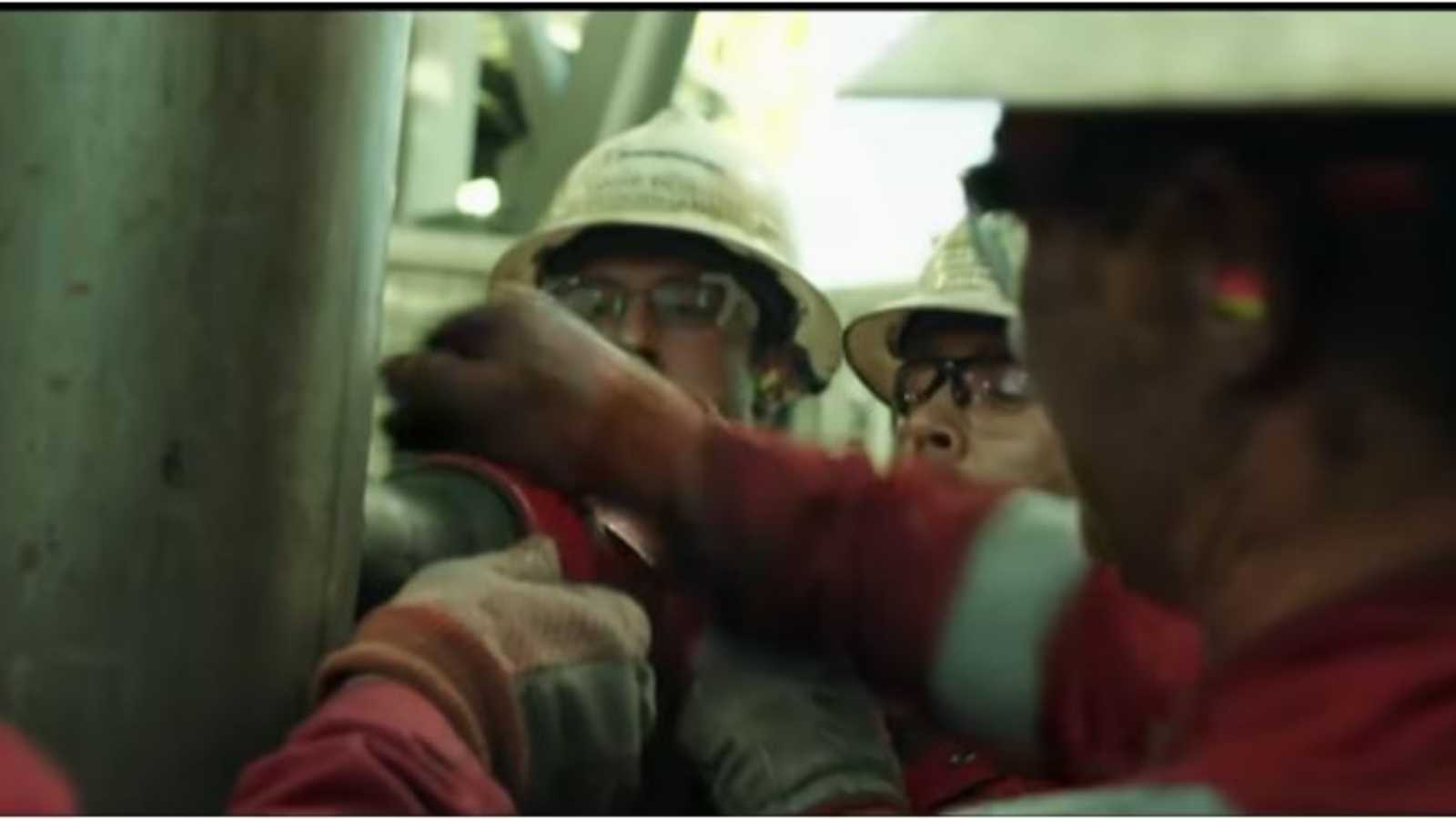
A lot of disaster films hide the science because they assume the audience wants explosions, not process. Deepwater Horizon does the opposite. It leans into pressure problems, failed tests, bad decisions, and equipment breakdowns, which mirrors the official findings that the Macondo blowout involved cementing failures, misread pressure tests, and a catastrophic breakdown in well control.
That is what makes the movie hit so hard: the disaster was not magic, not fate, and not a monster from the deep. It was a chain of technical failures and human mistakes, which is often how real catastrophes begin.
Twister got more right than its flying-cow reputation suggests
Twister is louder and wilder than actual field research, but the bones of it are surprisingly solid. NOAA has said its tornado scientists helped inspire the film, and the movie’s fictional Dorothy device was based on the real TOTO instrument designed to gather data from inside tornadoes.
Experts still point out the exaggerations, because no serious scientist is thrilled about charging straight toward a tornado as it owes them money, but the film did capture real storm-chasing culture and real meteorological ideas well enough to leave a lasting mark on the field.
The Impossible showed that tsunamis do not need Hollywood embellishment
One reason The Impossible lands so brutally is that it does not romanticize the tsunami. Tsunamis are not always giant curling walls of water, as movies like to show them. NOAA explains that they are a series of waves generated by sudden ocean displacement, and in real life, they can appear as violent surges and rapidly rising floodwaters that erase the line between land and sea.
The film’s commitment to physical injury, confusion, separation, and chaotic medical response makes it feel less like spectacle and more like survival remembered in painful detail.
Dante’s Peak knew volcanoes usually warn you before they ruin your week
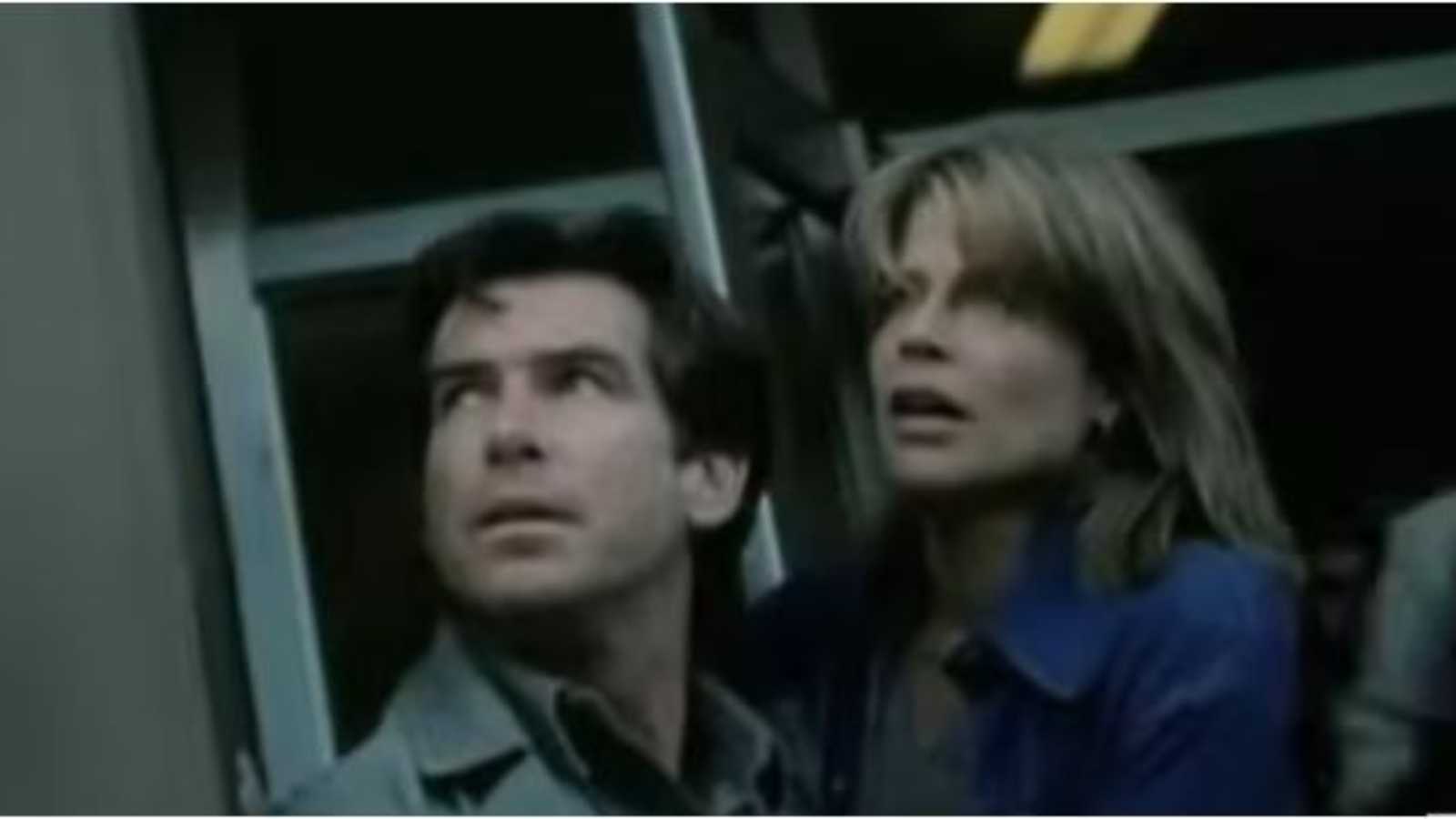
Dante’s Peak Official Trailer #1 – Pierce Brosnan Movie (1997) HD by Rotten Tomatoes classic Trailers via YouTube.Used under fair use for commentary.
Volcano movies often behave as if mountains just wake up angry one afternoon and start throwing fire. Dante’s Peak is more thoughtful than that. The film uses warning signs that volcanologists actually watch for, including earthquake swarms, changes in gas emissions, and shifts in water chemistry, all of which the USGS identifies as meaningful indicators of possible volcanic unrest.
It still cranks the timeline way up for dramatic effect, because Hollywood has no patience for the slow burn of actual monitoring, but the science underneath the panic is real enough to give the movie lasting credibility.
The Wave turned a real geological threat into something brutally immediate
The Norwegian film The Wave works because its premise is rooted in an actual hazard. Scientists have long monitored unstable rock slopes in Norway that could trigger devastating fjord tsunamis, and reporting on the Åkernes area has shown just how seriously that threat is taken.
The movie does not waste time pretending heroism can outrun geology. Instead, it focuses on warning systems, evacuation windows, and the awful reality that when nature gives you minutes instead of hours, even good decisions can come too late. That realism is what gives the film its cold grip.
A Night to Remember respected the Titanic disaster long before modern blockbusters polished it
Long before glossy romance took over the Titanic story, A Night to Remember treated the sinking as a systems failure and a human tragedy. The core details align with what we know: the ship struck an iceberg, too many compartments were breached, lifeboat capacity was disastrously inadequate, and the ship broke apart as it sank.
The remarkable part is that the film captured so much of that truth decades before the wreck itself was found in 1985. It is old, restrained, and not remotely flashy, which is probably why it still feels more honest than many bigger movies with far more money and far less discipline.
The Day After Tomorrow was absurd on timing but not on its central warning
This one is the trickiest entry, because The Day After Tomorrow is both ridiculous and smarter than people give it credit for. No, the climate would not flip like a light switch over a single weekend. But the movie’s central idea draws on a real system: the Atlantic Meridional Overturning Circulation, or AMOC, which NOAA describes as a major current system in the Atlantic that plays an important role in climate.
So the film deserves credit for borrowing a legitimate climate mechanism, even if it then put that mechanism on energy drinks and launched it into pure blockbuster madness.
Greenland felt grounded because it treated impact science like a systems problem
Fragmentation is not some cinematic invention either; NASA has documented real examples of celestial bodies breaking into multiple pieces, including the famous fragments of Comet Shoemaker-Levy 9 striking Jupiter. That gives the movie a harder edge, because it understands that a sky-borne disaster would not arrive as one neat dramatic moment. It would arrive as a sequence of failures.
Conclusion
What all these films understand is simple: disaster becomes more frightening when it feels earned. A virus moving through touch and trust, a rig failing because people missed warning signs, a volcano announcing itself in chemistry and tremors, a current system changing the planet in slow motion, these things do not need cinematic nonsense piled on top. They already carry enough dread on their own.
That is why these movies last. They may still bend time, simplify teams, or dress up science in prettier dialogue, but they do not insult the reality underneath the story. And in a genre famous for flattening cities while flattening logic, that alone feels like a small miracle.