Hollywood loves to end on a note that lets us exhale. The crowd cheers, the hero survives, the music swells, and the credits arrive before real life gets a chance to ruin the mood. That is great for a Friday night at the movies, but it also means some true stories get polished until the roughest, saddest, or strangest final chapters disappear.
That is exactly what makes these films so fascinating. Many of them tell real stories with real pain at their center, yet they stop just short of the part that would leave audiences sitting in silence. Here are ten famous movies that gave us the uplifting version, while the real ending hit much harder.
Remember the Titans
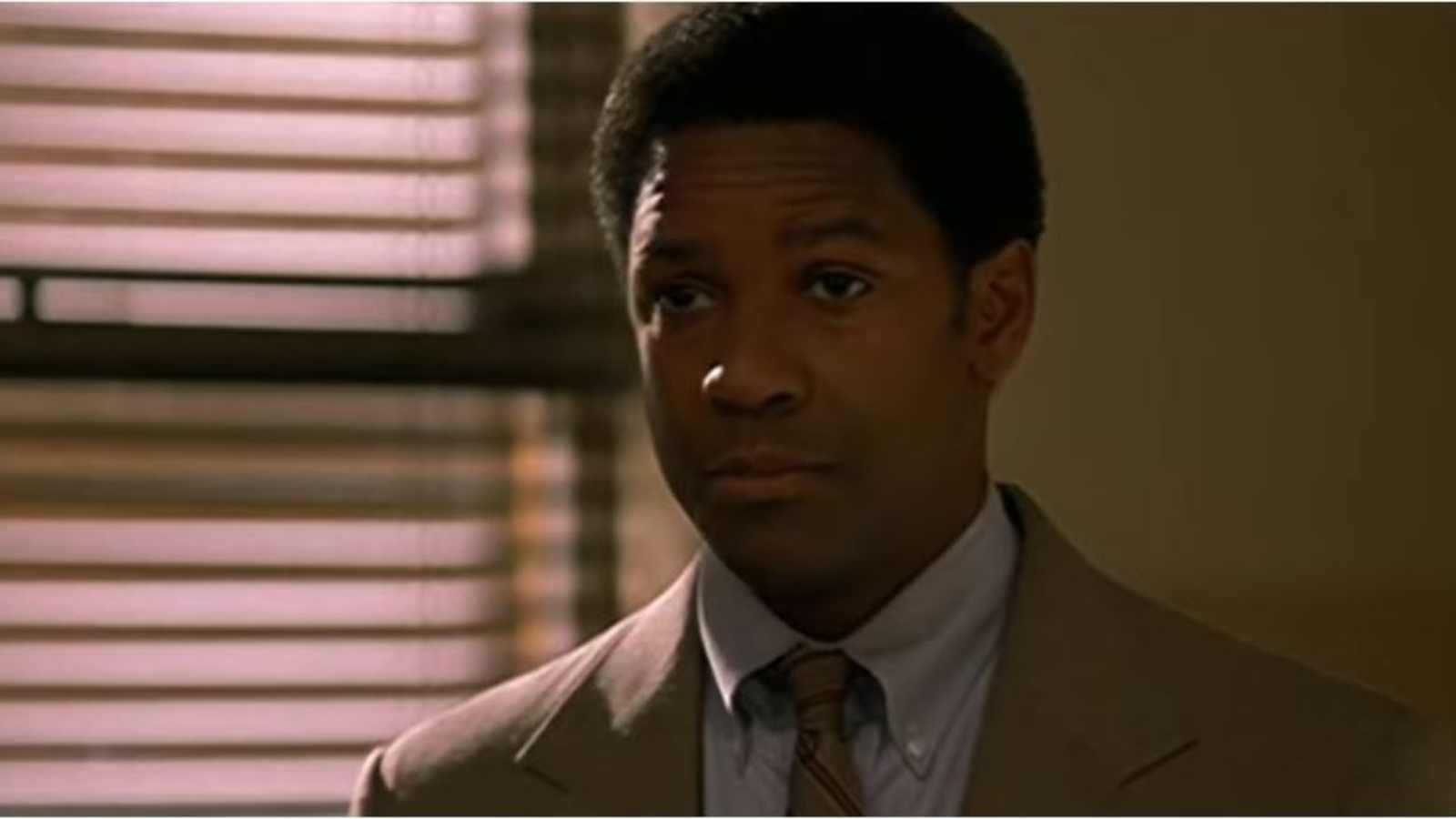
Remember the Titans sells the kind of victory that feels made for a standing ovation. The team unites, the season becomes a legend, and Coach Herman Boone stands tall as the force that turns conflict into triumph. It is a powerful movie, and its emotional punch still works. What the film does not really sit with is that Boone’s story did not end in pure glory.
He remained at T. C. Williams for years, but in 1979, he was fired amid allegations of player abuse, a bitter development that badly complicates the warm afterglow the movie leaves behind.
Schindler’s List
Schindler’s List closes with moral weight and hard-won grace. Oskar Schindler emerges as a deeply flawed man who still managed to save lives on a staggering scale, and the ending leaves him wrapped in sorrow, gratitude, and legacy. That final impression is deserved, but it is not the whole picture. After the war, Schindler’s life was financially shaky and personally messy.
He went bankrupt, his business efforts failed, and he spent much of his later life relying on donations from the very people he had helped save. The hero remained heroic, but his real-life ending carried far more hardship than the movie lets us feel.
Unbroken
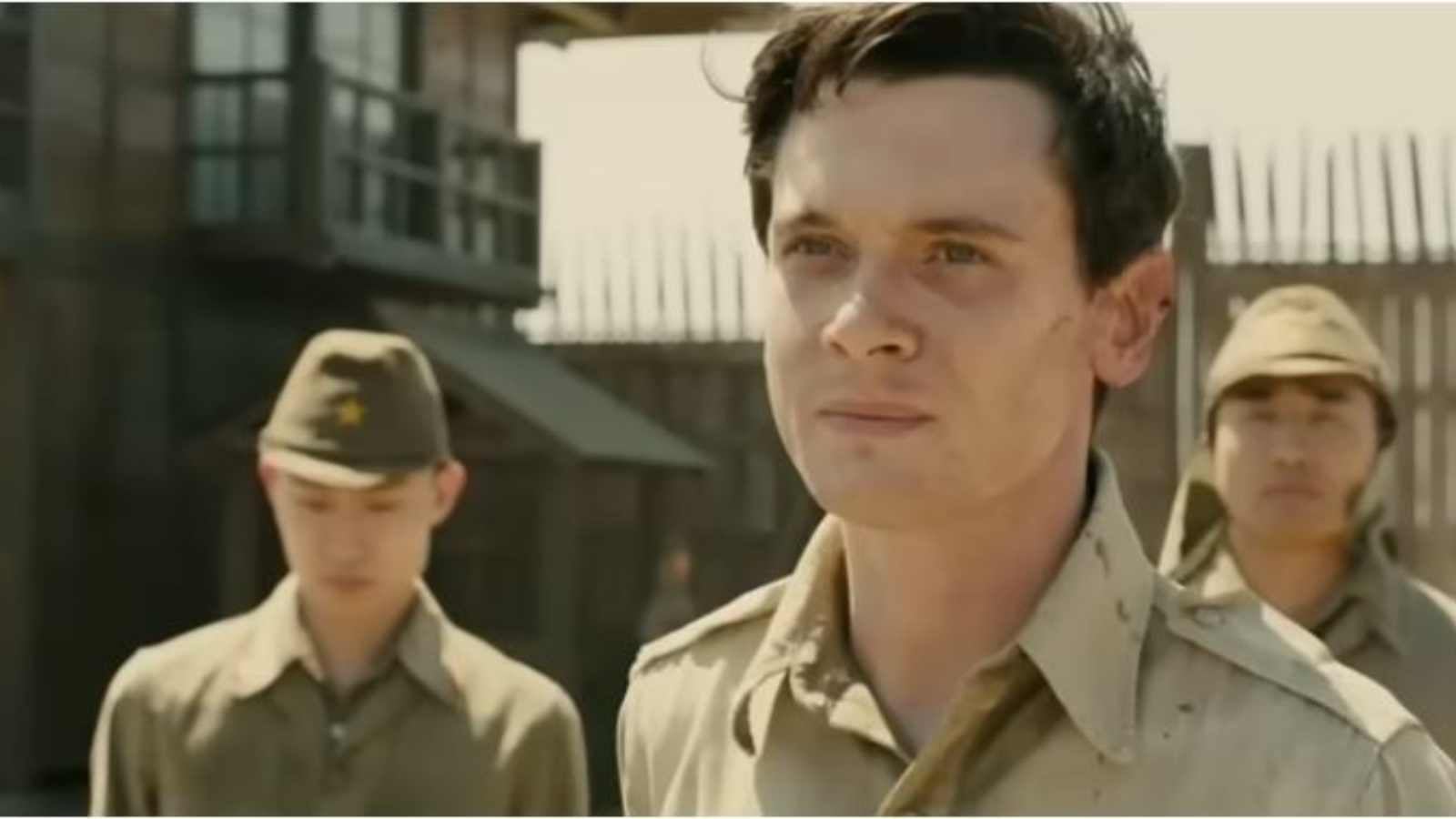
Unbroken gives viewers an endurance story that feels almost mythic. Louis Zamperini survives the ocean, survives a Japanese POW camp, and survives the kind of cruelty that should have shattered him completely. The film is brutal in many places, but it still leaves one major battle in the shadows.
When Zamperini came home, survival did not instantly become peace. He struggled with post-traumatic stress and alcoholism before eventually finding a path toward recovery through faith. In other words, the real ending was not simply about making it out alive. It was about living with what came home inside him.
The Sound of Music
The Sound of Music is one of cinema’s most beloved escape stories. The songs sparkle, the family bond carries everything, and the ending leaves us with the feeling that love and courage outran evil. In spirit, that still lands. But the real history around the Von Trapp home adds a chilling layer that the film does not dwell on.
After the family fled Austria, their villa was confiscated by the Nazis, and Heinrich Himmler used the property after the annexation. That detail does not fit neatly beside “Do Re Mi,” but it changes the emotional color of the story in a heartbeat.
A Beautiful Mind
A Beautiful Mind is built like a victory lap through pain. John Nash suffers, Alicia stands beside him, and the film frames love and genius as forces that somehow endure the storm. That core idea is moving, but real life was rougher and less tidy. John and Alicia divorced in 1963 before remarrying in 2001; their son was also diagnosed with schizophrenia, and in 2015, both John and Alicia were killed in a car crash.
The movie gives us a hard-earned emotional rise. The real story reminds us that even extraordinary lives do not get neat endings.
Once Upon a Time in Hollywood

Quentin Tarantino never promised strict historical obedience, and Once Upon a Time in Hollywood openly plays games with fate. That is part of its charm. It turns dread into fantasy and gives Sharon Tate the kind of ending history denied her. In real life, there was no last-minute rescue, no cathartic reversal, and no clever rewrite.
On the night of August 8 to 9, 1969, Tate, who was more than eight months pregnant, was murdered by followers of Charles Manson along with four others. The movie is a revenge daydream. Reality was a nightmare that still shocks people decades later.
The Aviator
The Aviator does show Howard Hughes as brilliant, obsessive, and increasingly fragile. Still, the film catches him before the full darkness of his decline becomes impossible to ignore. The real final stretch of Hughes’s life was far grimmer. His obsessive-compulsive symptoms and fear of germs intensified dramatically, and accounts of his later years describe extreme isolation and deeply disturbed behavior.
Even details tied to his marriage point to how strange his world had become, with reports of separate rooms and communication by handwritten notes. The film gives us a fascinating eccentric. The real ending edges closer to collapse.
Erin Brockovich
Erin Brockovich delivers one of the most satisfying courtroom-style endings in modern film. Julia Roberts gets the win, the company pays, and justice seems to arrive wearing high heels and a sharp stare. It is a crowd-pleasing finish, and it works because we want that kind of ending to be real.
The problem is that legal victory did not magically restore Hinkley, California. Reporting years later showed a town still dealing with the long fallout, with many homes and buildings gone and the place itself feeling hollowed out. The settlement mattered, but it was not the clean, happy ending the movie makes us crave.
Titanic
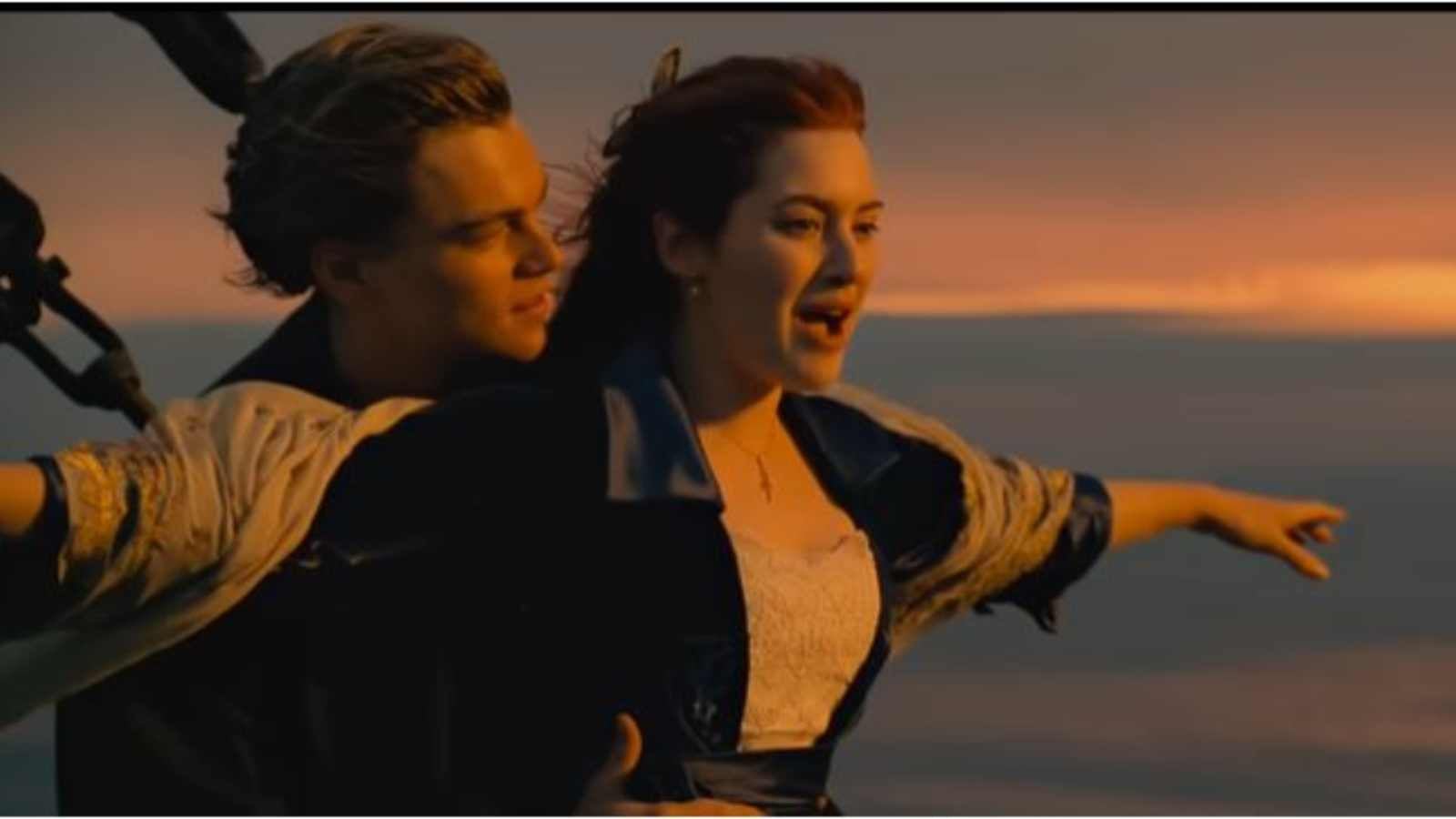
You would think that Titanic already gives us enough heartbreak to last a lifetime. The ship sinks, Jack dies, and the whole film ends in one giant romantic ache. Yet even this tragedy kept one especially cold postscript out of the spotlight. All eight ship musicians died after continuing to play during the disaster, and afterward, at least one family received an invoice tied to the dead musician’s uniform.
That detail feels almost too cruel to be true, which is probably why it has the awful power of a perfect final note. The movie gives us a noble sacrifice. History adds bureaucracy with ice in its veins.
Finding Neverland
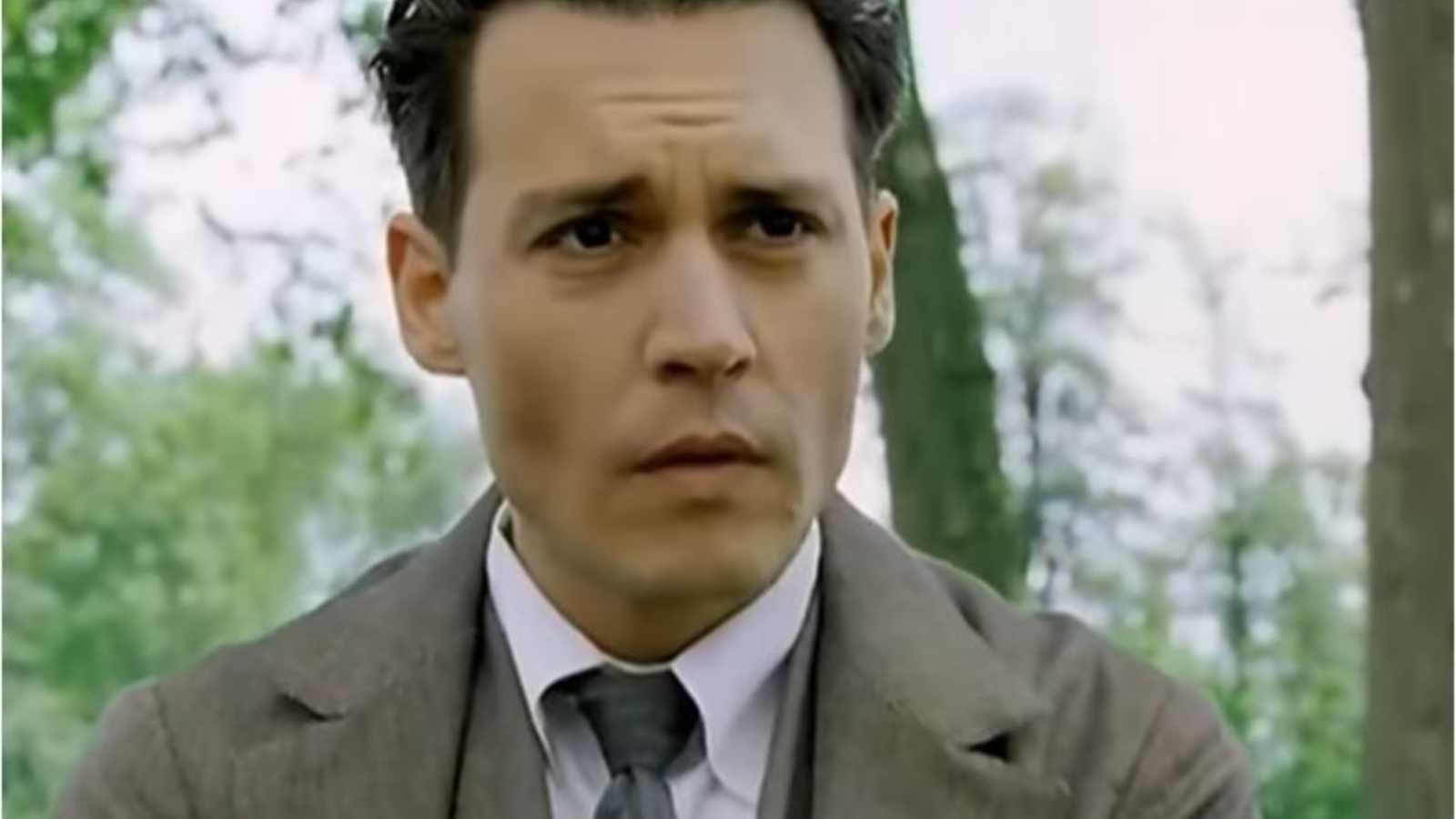
Finding Neverland wraps sadness in softness. It is wistful, tender, and almost dreamlike as it traces the emotional bond between J. M. Barrie and the family that helped inspire Peter Pan. The movie leaves viewers with grief, yes, but also with comfort. Real life was much harsher to the Llewelyn Davies boys.
George died in military service, Michael drowned young, and Peter Llewelyn Davies later died by suicide. Suddenly, the glowing fantasy around Neverland looks less like an escape and more like a fragile shield against a future no one could protect them from.
Final thought
Movies do not owe us documentaries. They owe us stories that move. Still, there is something unforgettable about looking past the final scene and finding the chapter the camera skipped. That missing chapter is often where the truth gets sharpest, and sometimes where the real human cost finally shows its face.
That is what makes these films linger. They gave us the version we could bear to watch, while history kept the version that is much harder to forget.