
When it comes to historical films, striking the right balance between entertainment and accuracy can be a delicate task. Yet, certain movies stand out for their meticulous attention to detail, immersing audiences in the past in a way that resonates deeply. These films go beyond mere dramatization; they are guided by a commitment to staying true to the facts, from capturing the essence of historical figures to reconstructing pivotal events with authenticity.
Here are 15 films that not only entertain but also educate by presenting history in its truest form.
12 Years A Slave (2013)
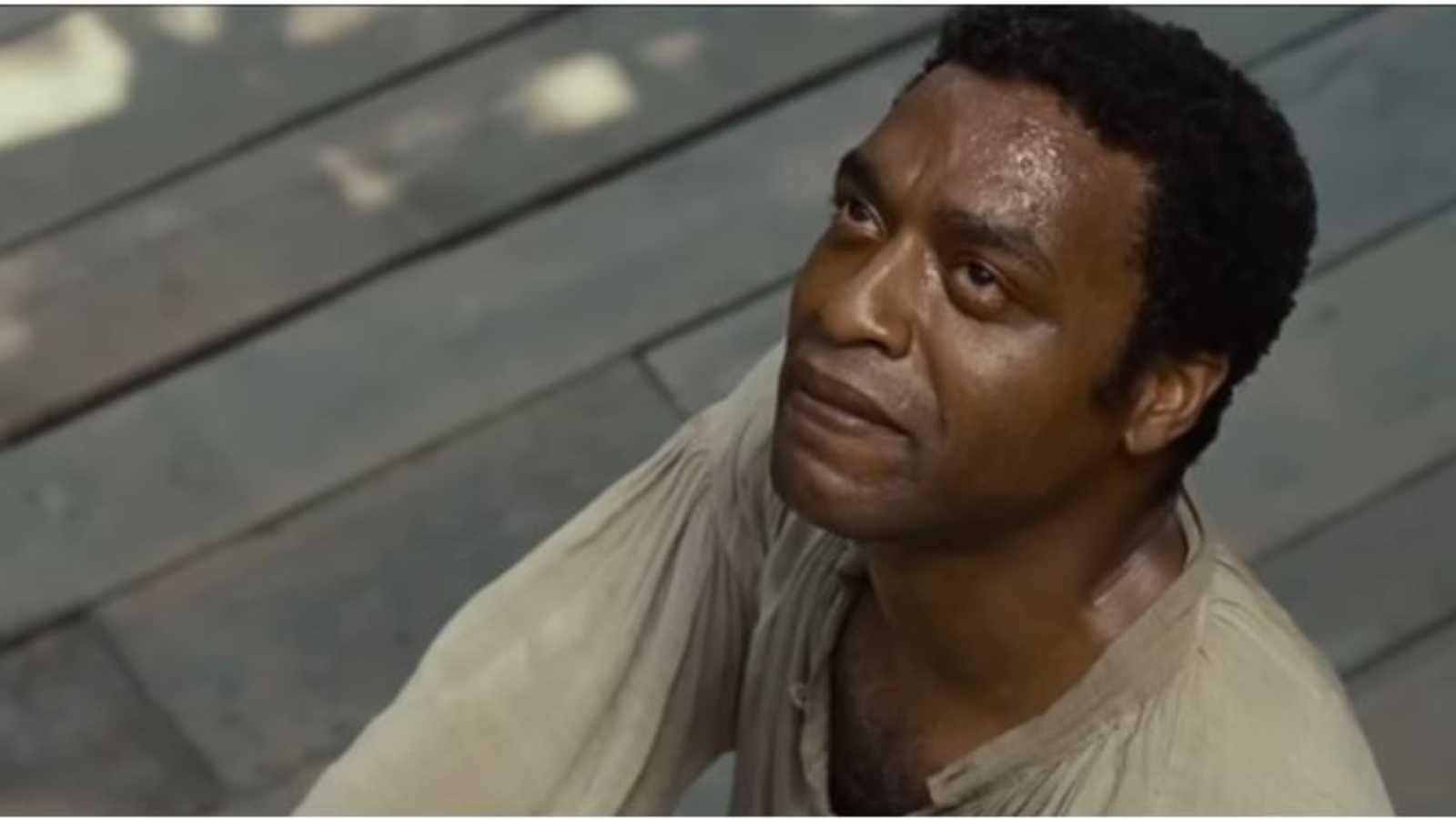
12 YEARS A SLAVE – Official Trailer (HD) by searchinglightPictures via YouTube.Used under fair use for commentary.
Based on Solomon Northup’s 1853 memoir, 12 Years a Slave recounts Northup’s brutal journey from a free man to a slave in Louisiana. The film was praised for its raw, unflinching portrayal of slavery’s horrors, with historians and critics acknowledging its faithful reproduction of the period’s settings and culture.
The meticulous attention to historical detail, ranging from authentic plantation records to period-specific clothing, contributes to its powerful realism. Chiwetel Ejiofor’s portrayal of Northup is hauntingly accurate, bringing to life the painful reality of slavery with heartbreaking precision.
Downfall (2004)
In the final days of World War II, the collapse of Nazi Germany is shown with gut-wrenching precision in Downfall. This film stands apart from others for its unflinching portrayal of Adolf Hitler’s humanity and desperation as Berlin falls. The movie is based on the accounts of Hitler’s secretary, Traudl Junge, and historian Joachim Fest’s book, drawing on first-hand testimonies to ensure accuracy.
The set design, costumes, and even dialogue are carefully verified, earning it accolades for its historical credibility. Bruno Ganz’s portrayal of Hitler, informed by recordings and expert consultations, is universally praised as one of the most accurate depictions in cinematic history.
Spotlight (2015)

Winner of the Academy Award for Best Picture, Spotlight explores the Boston Globe’s investigation into the Catholic Church’s child abuse scandal. The filmmakers went to great lengths to ensure the film’s accuracy, interviewing the journalists involved and utilizing real documents from the case.
The precision with which the newsroom’s working environment and the investigative process were depicted was lauded by journalists and critics alike. This portrayal not only honors the truth but also highlights the methodical nature of investigative reporting.
Zodiac (2007)
Zodiac is a testament to director David Fincher’s commitment to detail. This gripping thriller chronicles the elusive Zodiac Killer case that haunted California in the late 1960s and 1970s. The film’s authenticity stems from its adherence to factual records, as Fincher and his team meticulously reviewed police files, interviewed surviving detectives, and reconstructed crime scenes.
The film focuses on the investigation’s obsessive nature, remaining true to the facts and capturing the frustration of uncovering an unsolved mystery.
The Assassination Of Jesse James By The Coward Robert Ford (2007)

This film dives into the complex final months of Jesse James’s life, focusing on his relationship with Robert Ford. Based on Ron Hansen’s novel, the movie captures the psychological tension between the two men with a precision that few Westerns manage. The film’s commitment to accuracy is reflected in its period details, including the portrayal of weapons, clothing, and frontier settings.
Brad Pitt and Casey Affleck studied historical accounts to bring these figures to life with authenticity, contributing to the film’s emotional depth.
Chapter 27 (2007)
Chapter 27 depicts the days leading up to Mark David Chapman’s murder of John Lennon in 1980. Jared Leto’s transformative performance as Chapman was meticulously researched, with Leto studying Chapman’s journals and psychological evaluations to accurately portray his disturbed state of mind.
Shot near the actual Dakota Building, where the murder took place, the film remains faithful to the documented facts, capturing Chapman’s obsessive relationship with Lennon and his mental deterioration.
Joyeux Noel (2005)
Joyeux Noel recounts the remarkable Christmas Truce of 1914, where soldiers from both sides of World War I spontaneously ceased fighting to celebrate Christmas together. Based on letters, diaries, and military reports, the film avoids sentimentalizing the event, instead focusing on the factual details that made it such an extraordinary moment in history.
The multilingual dialogue, realistic uniforms, and trench settings all contribute to the film’s authenticity. It’s a beautiful reminder of the human side of war.
Lincoln (2012)

Lincoln Official Trailer #1 (2012) Steven Spielberg Movie HD by Rotten Tomatoes Trailers via YouTube>Used under fair use for commentary.
Steven Spielberg’s Lincoln focuses on the president’s efforts to pass the Thirteenth Amendment, which abolished slavery. The film is based on Doris Kearns Goodwin’s biography Team of Rivals, and the production consulted with Lincoln scholars to ensure historical accuracy.
Daniel Day-Lewis’s portrayal of the 16th president was informed by extensive research, including studying Lincoln’s letters, speeches, and mannerisms. The film’s depiction of 19th-century political maneuvering and congressional debate is praised for its authenticity.
Schindler’s List (1993)
Steven Spielberg’s Schindler’s List is one of the most profoundly accurate depictions of the Holocaust. Shot in black and white, the film captures the horrific reality of Nazi-occupied Poland with heartbreaking authenticity. Based on Thomas Keneally’s book and survivor testimonies, the film was made with the direct involvement of Schindler’s Jewish survivors, who acted as consultants.
Filming on location in Krakow, Poland, added an additional layer of credibility to the portrayal. Historians and Holocaust survivors have consistently praised the film for its accuracy in representing this dark chapter in history.
Apollo 13 (1995)
Apollo 13 chronicles the real-life story of NASA’s 1970 mission to the moon, which faced disaster when an oxygen tank exploded. The film’s accuracy results from extensive consultation with NASA and the astronauts involved, including Jim Lovell, Fred Haise, and Jack Swigert.
Using actual mission transcripts for dialogue and recreating weightlessness through NASA’s reduced-gravity aircraft, Apollo 13 is widely regarded as one of the most faithful depictions of a space mission ever made.
Conclusion
These films represent the pinnacle of historical accuracy in cinema. From wartime struggles to political intrigue, they capture the essence of their respective periods with a commitment to truth that enriches both the narrative and the viewer’s understanding of history.