
Hollywood, a land of glitz, glamour, and endless opportunity, is not without its pitfalls. Behind the red carpet, some of the brightest stars fall victim to personal missteps, controversial actions, or societal pressures. While the public may adore their talent, a darker reality often lurks beneath their fame, leading some of these stars to be shunned and blacklisted by the very industry that once celebrated them.
Below, we explore the stories of ten Hollywood stars who faced the bitter consequences of their actions and how they navigated or were ultimately sidelined by the entertainment world.
Roseanne Barr
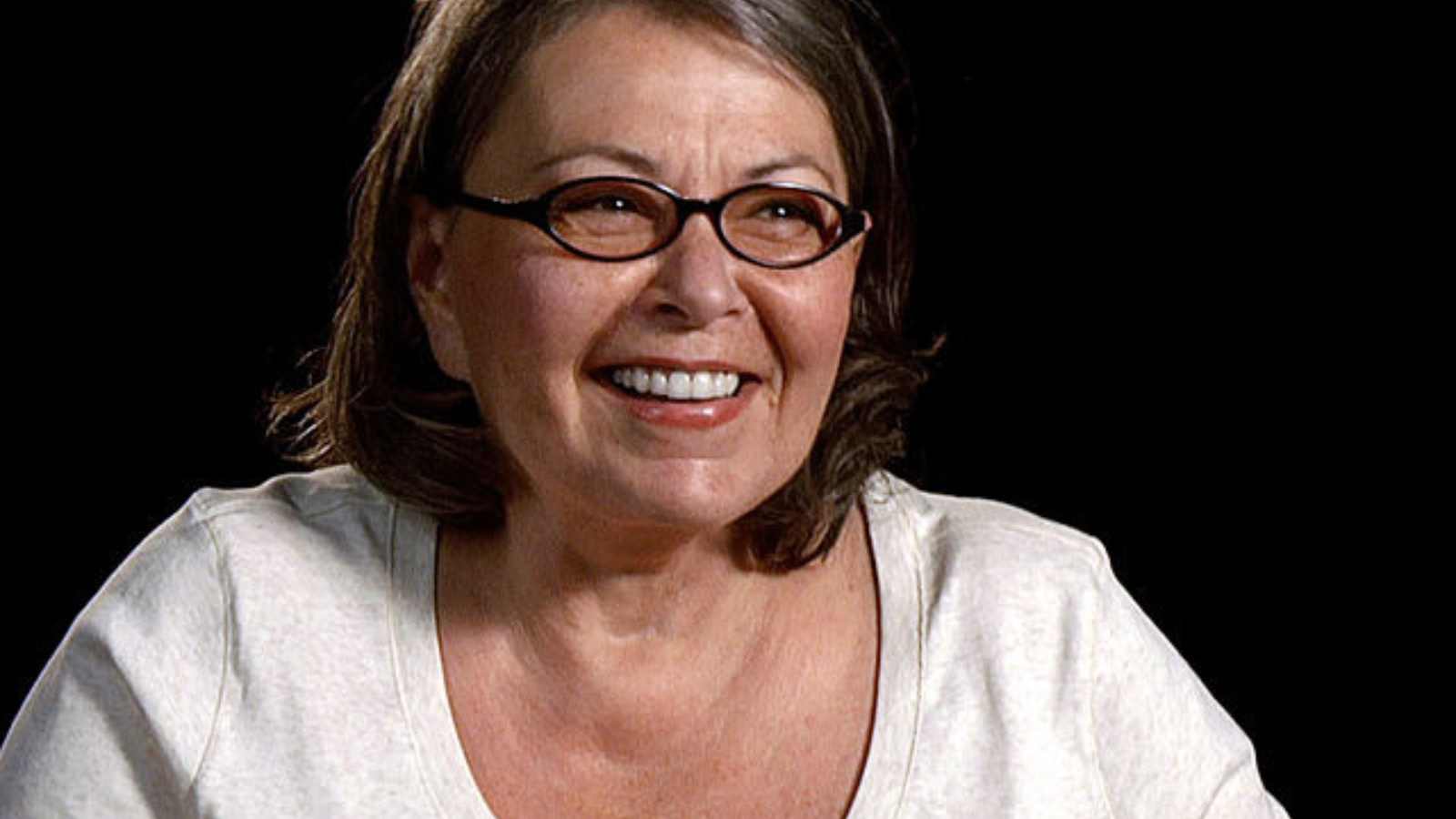
Roseanne Barr’s fall from grace was as swift as it was public. After a long and successful career, Barr’s return to TV with a Roseanne reboot was met with immediate backlash following a series of racist and controversial tweets. Barr’s comments were widely condemned, and the show was canceled within a day.
Barr’s irreverent persona and outspoken views once made her a beloved figure, but her failure to adapt to changing social expectations led to her being blacklisted from Hollywood.
Mel Gibson
Mel Gibson was once the king of Hollywood. With iconic films like Braveheart and Lethal Weapon, he was adored by fans and critics alike. However, a series of personal and professional missteps, including a drunk-driving arrest in 2006, in which he made antisemitic remarks, brought his career to a screeching halt.
His behavior only worsened in 2010 with a series of sexist and racist voicemails aimed at his ex-girlfriend, Oksana Grigorieva. These incidents culminated in his virtual disappearance from the Hollywood scene. Despite a recent comeback with Hacksaw Ridge, his tarnished reputation remains a significant hurdle to regaining his former star status.
Randy Quaid
Randy Quaid, once a well-known character actor, has seen his career unravel due to a series of bizarre personal and legal issues. From fleeing the U.S. to avoid court charges to making outlandish claims about Hollywood conspiracies, Quaid’s career is a cautionary tale of how erratic behavior can lead to blacklisting.
In 2007, Quaid’s on-set behavior, marked by allegations of physical and verbal abuse towards his fellow cast members, resulted in significant legal consequences. With ongoing legal battles, unsubstantiated claims, and a deteriorating public image, Quaid’s once-promising career now hangs in limbo. He remains a tragic figure in Hollywood’s history, marked by self-sabotage and missed opportunities.
Sondra Locke
Sondra Locke’s rise to fame was fueled by her talent, with an Oscar nomination for her first film, The Heart is a Lonely Hunter. However, her career took a dark turn following her contentious relationship with Clint Eastwood. After their breakup, Locke found herself shut out from the industry. Her claims that Eastwood used his power to block her career at Warner Bros. were met with public sympathy but little action.
Locke’s career, once on the up-and-up, was left in the hands of a powerful man who seemingly had the ability to blacklist her from further opportunities. Locke’s lawsuit against Eastwood settled, but the damage was done. She never quite recovered her footing in Hollywood, and her story remains a cautionary tale of how powerful figures can wield their influence to destroy the careers of those they no longer favor.
Rose McGowan
Rose McGowan’s career came to a grinding halt not because of her actions, but because she was a victim. After being assaulted by Harvey Weinstein in 1997, McGowan chose to speak out against the industry titan. Her decision to publicly address her trauma was met with retaliation by Hollywood’s elite, including a widespread industry blacklisting orchestrated by Weinstein himself.
For years, McGowan was kept out of major projects, her career stifled by a system that failed to protect her. However, McGowan’s story became one of the earliest sparks in the #MeToo movement, which eventually led to a reckoning in Hollywood. While her career was sidelined, McGowan’s courage in speaking out has since made her an important voice in the fight for change.
Charlie Chaplin
One of the most iconic figures in film history, Charlie Chaplin’s career in Hollywood took a devastating blow during the rise of McCarthyism in the late 1940s. Accused of communist sympathies, Chaplin found himself caught in the crossfire of political paranoia. Despite being one of the most famous silent film stars of the 20th century, Chaplin’s refusal to cooperate with the House Un-American Activities Committee (HUAC) led to his exile.
His refusal to answer questions about his political beliefs led to a public blacklist and to Chaplin’s subsequent exile to Europe. Chaplin’s work was met with hostility in the U.S., and the political climate at the time made it nearly impossible for him to continue his career. However, his legacy has been cemented as a pioneer in cinema, and the U.S. has since embraced him once again, with recognition for his contributions to the arts growing posthumously.
Katherine Heigl
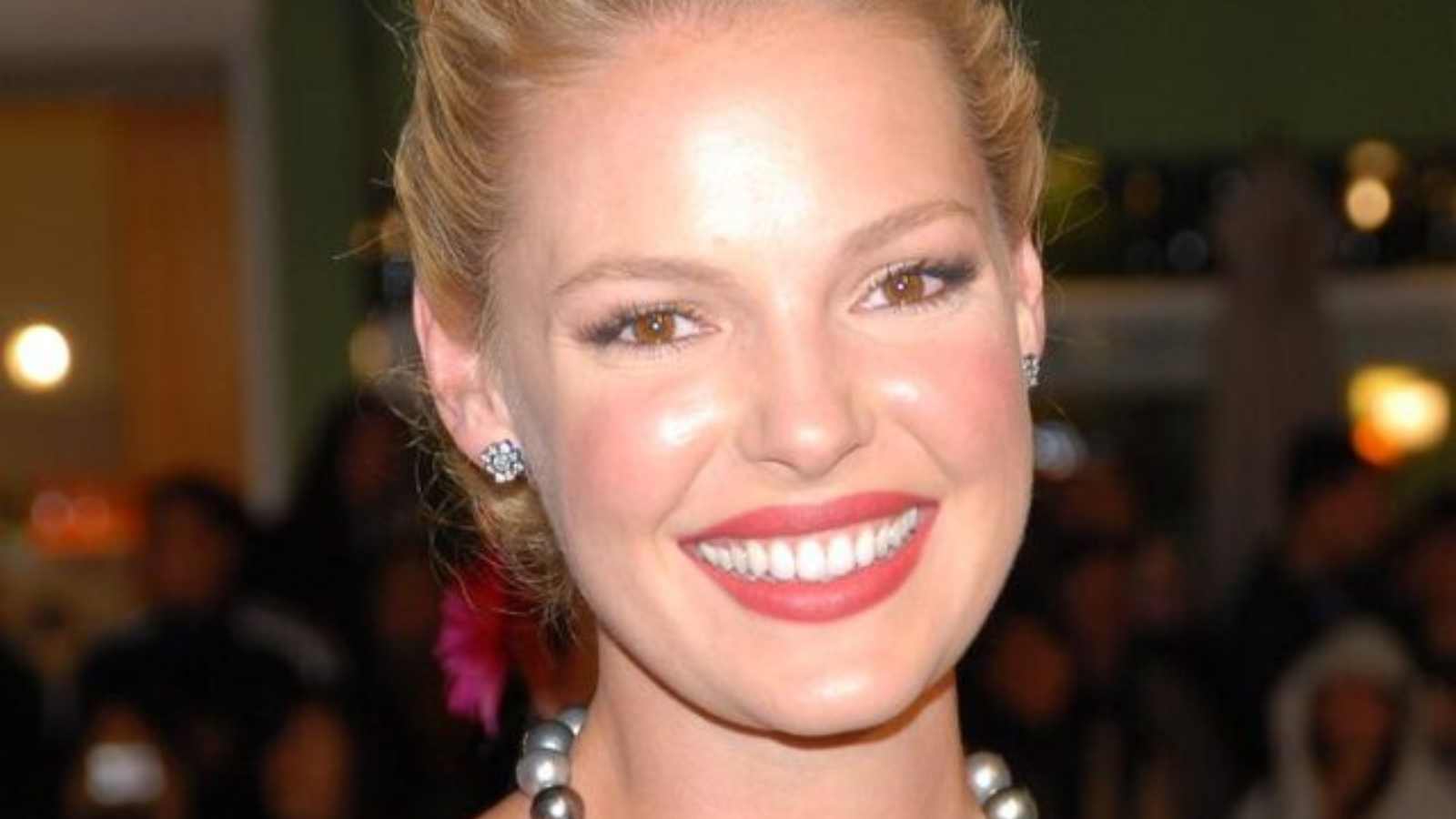
Katherine Heigl was on top of the world with hit shows like Grey’s Anatomy and films like Knocked Up. However, her reputation as a difficult and demanding actress soon overtook her talent. Known for complaining about scripts and working conditions, Heigl became infamous for her uncooperative attitude.
Hollywood producers soon began to shy away from working with her, and she found herself blacklisted from many major projects. Despite attempts to make a comeback, Heigl’s reputation as a “diva” continues to haunt her career, leaving her largely absent from the Hollywood scene.
Charlie Sheen
Charlie Sheen’s career took an unexpected turn during the peak of his success. Known for his roles in Two and a Half Men and Platoon, Sheen’s erratic behavior and public meltdowns became infamous. His bizarre interviews, substance abuse problems, and outlandish statements (“winning” and being a “warlock with tiger blood”) led to his firing from Two and a Half Men and a subsequent fall from grace.
Though Sheen continues to work sporadically, his career remains marred by a reputation for instability and questionable behavior.
Brendan Fraser
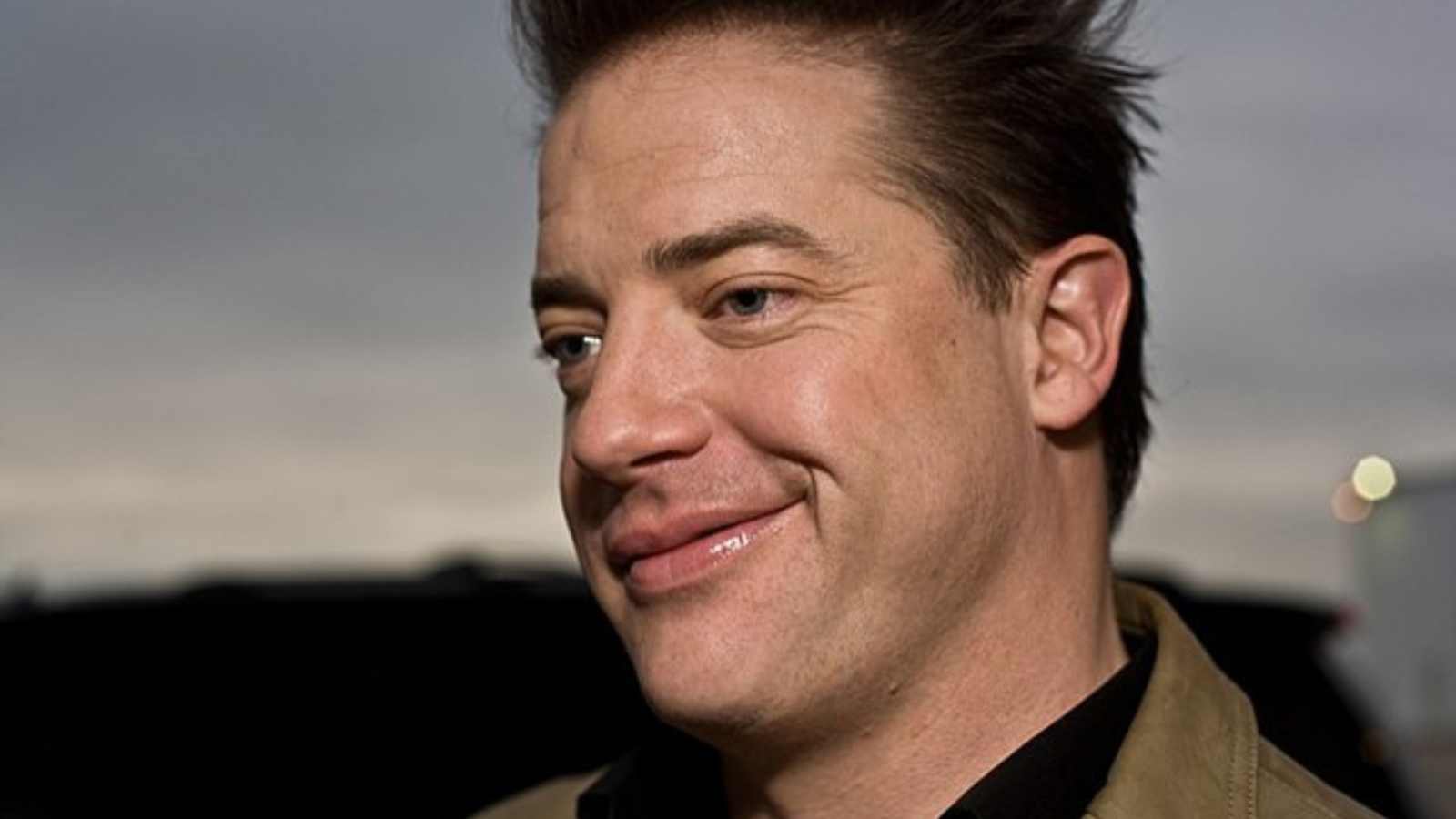
Brendan Fraser was one of Hollywood’s brightest stars of the 90s, known for his roles in The Mummy franchise, George of the Jungle, and Encino Man. However, Fraser’s career came crashing down after he accused former Hollywood Foreign Press Association (HFPA) president Philip Berk of sexual assault in 2003.
Fraser claims that his resistance to Berk’s advances led to a deliberate blacklisting of his career within the industry. For years, Fraser struggled to regain his former status, but with recent roles in Doom Patrol and other projects, he is experiencing what is now called the “Brenaissance,” a much-anticipated and deserved return to the spotlight.
Stacey Dash
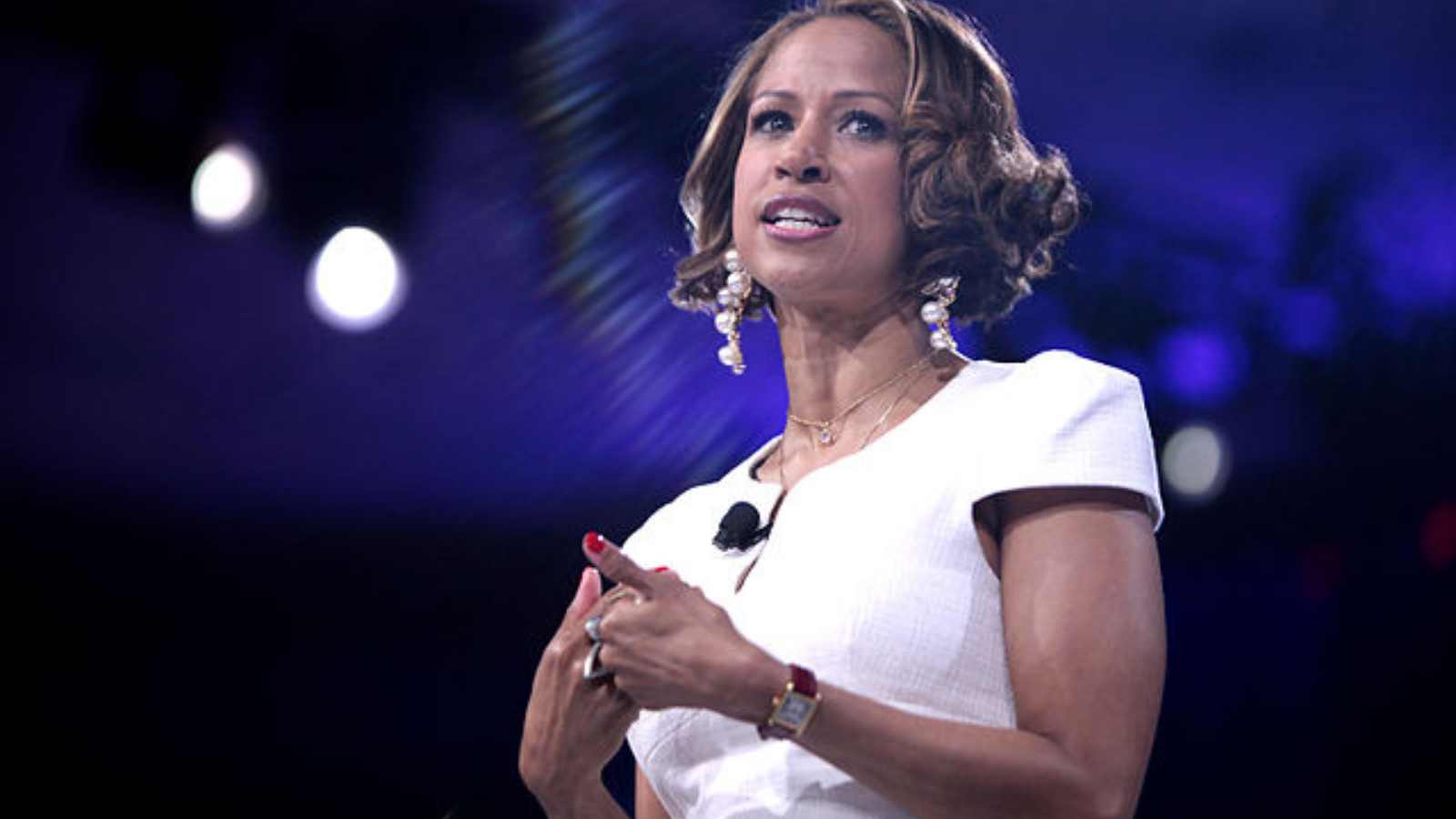
Stacey Dash’s career took a dramatic turn when she publicly abandoned her former liberal stance for conservative views. Known for her role in Clueless, Dash once held a promising career in Hollywood. However, her increasingly extreme political statements, including calls to end Black History Month and denounce the #MeToo movement, alienated both her fans and industry peers.
Dash’s refusal to back down from her views led to her being blacklisted, and despite occasional appearances in conservative media, she has failed to regain the acting success she once had.
Conclusion
The stories of these blacklisted stars reveal the darker side of Hollywood, where personal actions, public controversies, and industry politics can lead to a dramatic fall from grace. While some may never recover their former glory, others, like Brendan Fraser, have found redemption and made triumphant comebacks, proving that Hollywood’s door is never fully closed.
The industry is unforgiving, but it also offers a strange kind of second chance for those who manage to weather the storm. Whether by political fallout, personal scandal, or a clash of egos, these blacklisted stars serve as both cautionary tales and symbols of resilience. In the ever-evolving world of show business, one thing is clear: the line between stardom and obscurity is often thinner than we think.