Filmmaking is an intricate art form in which the words on paper often guide the director and actors’ vision.
However, some of Hollywood’s most iconic films were created under unique circumstances, in which the script was either incomplete or developed on the fly.
These films prove that sometimes the lack of a defined script can lead to extraordinary creativity, capturing moments that feel raw and real.
Here, we explore 10 major movies that defied conventional storytelling processes by filming without a completed script.
Jaws (1975)
Steven Spielberg’s Jaws remains one of the most influential films in cinema history, launching the modern blockbuster era. What many don’t know, however, is that much of Jaws was filmed without a finished script.
The production was riddled with technical difficulties, including an unreliable mechanical shark and constant script rewrites. With no clear script, the film relied heavily on the cast’s creativity and improvisation, especially in key scenes.
Richard Dreyfuss, who played oceanographer Matt Hooper, revealed that the actors were often in the dark about their lines and the direction of the story.
Despite these challenges, Spielberg’s innovative filmmaking and the magic of improvisation created a suspenseful masterpiece. It is a testament to how limited resources and spontaneity can lead to cinematic brilliance.
Boyhood (2014)
Director Richard Linklater’s Boyhood stands as a groundbreaking achievement in filmmaking, capturing the evolution of a young boy, played by Ellar Coltrane, over 12 years. What makes Boyhood particularly unique is that it had no traditional scripted narrative.
Linklater worked with a loose structure, allowing the story to evolve organically as the actors aged and experienced life.
Rather than following a rigid script, Linklater embraced collaboration, allowing the characters’ real-life experiences to shape the story. This process led to a deeply authentic portrayal of growing up, blending fiction with reality.
The film’s success at the box office and its critical acclaim serve as proof that sometimes, the best stories emerge when they are allowed to unfold naturally.
Alien 3 (1992)
The production of Alien 3 was far from smooth, with script changes and directorial shakeups that left the film’s narrative in disarray. The film’s troubled journey began with a fragmented script that was continually revised as filming progressed.
New director David Fincher entered a chaotic environment with little to no written material, forcing the cast and crew to work without a defined structure.
Despite the lack of a coherent script, Alien 3 captured the essence of the franchise, though it remains divisive among fans.
This tumultuous production is a reminder of how resilience and creative risk-taking can sometimes yield unexpected results, even amid uncertainty.
Men in Black 3 (2012)
With the actors’ schedules already set, Sony pushed forward with filming despite having only the first act of the story.
The rest of the film’s narrative was pieced together during production, with the writers constantly adjusting scenes to match the evolving storyline.
While Men in Black 3 was undoubtedly a commercial success, its troubled production highlights the challenges of making a blockbuster under such unpredictable conditions.
The behind-the-scenes turmoil, from script disputes to constant rewrites, made for a bumpy ride, but in the end, the film’s humor and charm won over audiences.
Jurassic Park III (2001)
By the time Jurassic Park III was being filmed, the franchise was already a well-established cultural force. However, this third installment faced its own unique challenge: no script. Director Joe Johnston and his team began shooting the film with only vague ideas about the plot.
Writers scrambled to create scenes on the spot, giving the actors minimal preparation and leaving them unsure of their characters’ direction.
This lack of preparation made the film’s production more costly and less efficient. Yet, despite its challenges, Jurassic Park III still managed to rake in box office earnings, proving that even without a final script, a beloved franchise can survive the storm.
Pirates of the Caribbean
The production of Pirates of the Caribbean: At World’s End was nothing short of chaotic. Director Gore Verbinski was tasked with filming two sequels simultaneously, and while Dead Man’s Chest had a script,
At World’s End was created without one. Scenes were written on the fly, with Verbinski and his team constantly adapting the plot as they filmed.
The unpredictability of filming without a script led to a more spontaneous and improvisational approach. Even with a disjointed production process, At World’s End became one of the highest-grossing films of the year.
The film’s success is a testament to the power of creative risk and the ability to thrive in an environment of uncertainty.
Pretty Woman (1990)
Pretty Woman wasn’t always the heartwarming rom-com we know today. Originally titled 3000, the film had a much darker tone, with Vivian Ward ending up destitute. But when Disney picked up the film, they decided to rewrite the story.
However, they didn’t provide a new script immediately. Instead, director Garry Marshall, his cast, and the crew had to improvise as they went along.
The film’s most iconic scenes, such as the one where Richard Gere’s character buys Julia Roberts’ character an expensive necklace, were created without a set script.
This improvisational approach helped inject warmth and humor into what could have been a much darker story. Pretty Woman became a cultural touchstone and proved that a film’s success can sometimes come from the most unexpected of places.
Edge of Tomorrow (2014)
In Edge of Tomorrow, director Doug Liman faced a challenge: the film’s script was constantly evolving. Despite having a completed screenplay from Dante Harper, Liman chose to discard much of it, keeping only the broadest concepts.
The filmmakers scrambled to rewrite scenes and adjust the plot as they filmed, creating a production process marked by uncertainty.
The film’s success proved that sometimes, abandoning a rigid script can lead to creative breakthroughs.
With Tom Cruise and Emily Blunt leading the charge, Edge of Tomorrow became a critical and commercial success, paving the way for future sci-fi films that embrace creative flexibility.
Casablanca (1942)
One of the most beloved films of all time, Casablanca, was famously made without a finished script. Director Michael Curtiz often had to rely on his cast’s creativity to fill in gaps, particularly during key moments.
The love triangle between Rick (Humphrey Bogart), Ilsa (Ingrid Bergman), and Victor (Paul Henreid) was largely improvised, with the ending not even being decided until the actors were already deep into filming.
Despite the uncertainty surrounding its script, Casablanca became a cinematic masterpiece, with Bogart’s performance going down in history as one of the most iconic in film history.
It stands as a perfect example of how a film’s heart can remain intact even in the absence of a concrete plan.
Iron Man (2008)
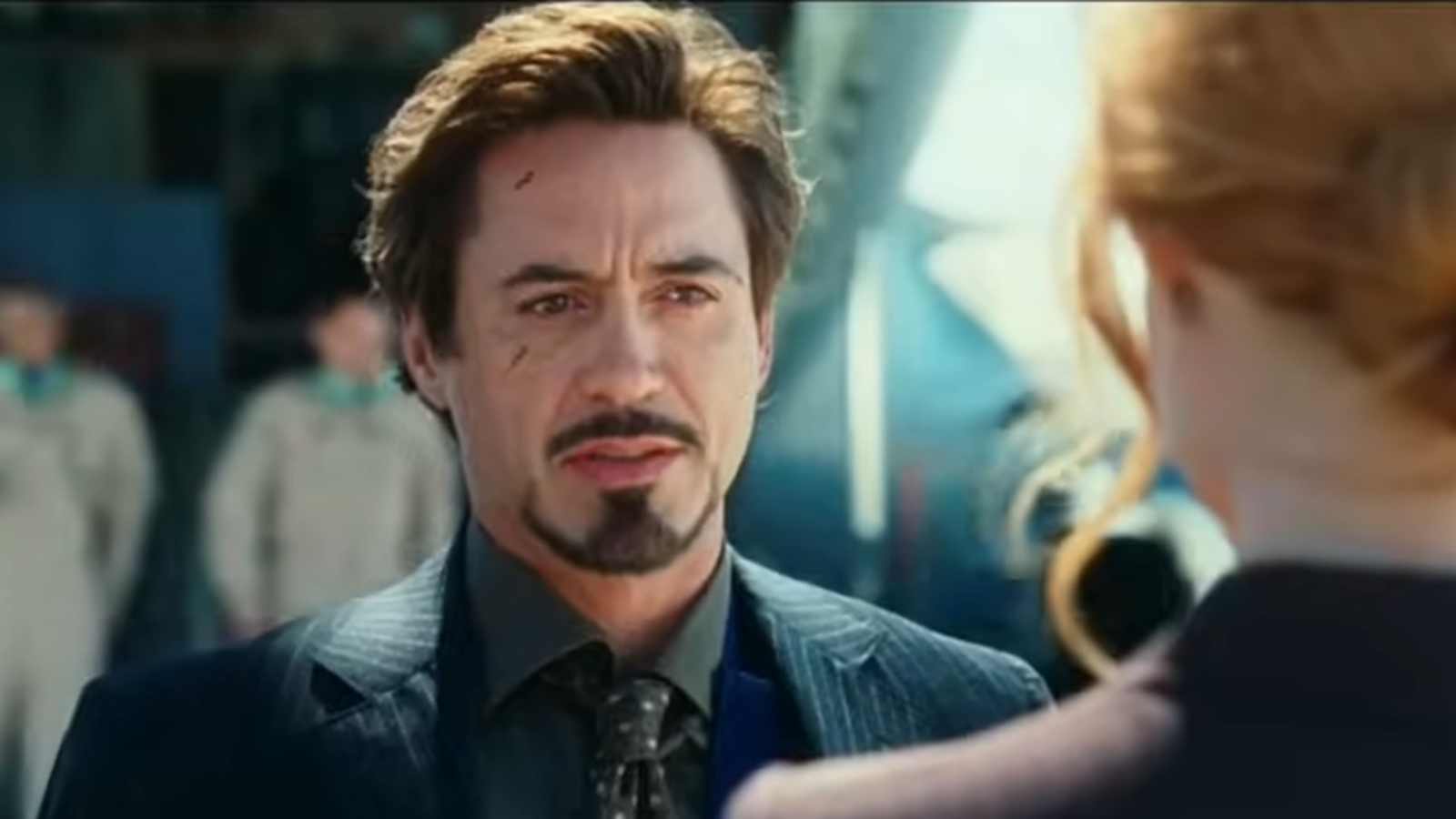
The film that launched the Marvel Cinematic Universe, Iron Man, was anything but smooth sailing behind the scenes.
Director Jon Favreau and his team worked with a script that was constantly evolving, and major plot decisions were made on the fly.
Despite these challenges, Robert Downey Jr.’s portrayal of Tony Stark became the cornerstone of the MCU, changing the landscape of superhero films forever.
The film’s success wasn’t just about improvisation; it was about Favreau’s embrace of flexibility, which allowed the actors and the story to evolve naturally.
Iron Man was a gamble that paid off spectacularly, launching a franchise that would dominate the box office for years to come.
Conclusion
The films on this list show that sometimes, the best stories come from the least structured environments.
These directors and their teams demonstrated that flexibility, improvisation, and creative risk-taking can yield extraordinary results, even without a fully formed script.
Whether it’s the groundbreaking success of Jaws or the emotional depth of Boyhood, these films prove that sometimes, the lack of a script can be the key to creating something truly remarkable.