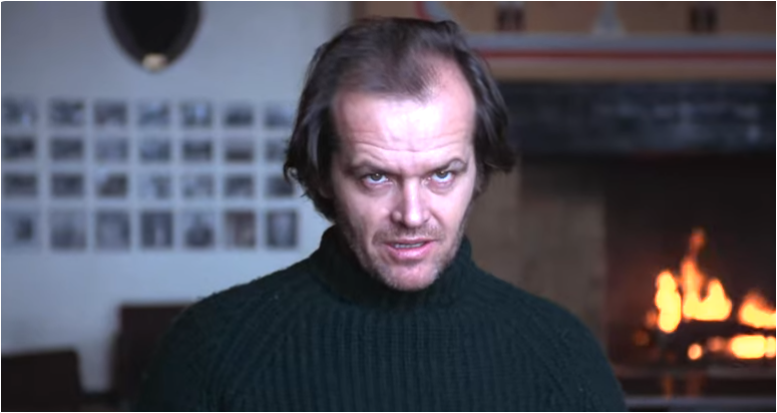
The 1980s delivered some of the most memorable and chilling psychological thrillers that still echo through the corridors of modern horror cinema. These films tapped into the collective fears of the era, many of which centered on the unsettling uncertainty of emerging technologies, social anxieties, and complex human emotions.
At the heart of these films was the analog creep factor, a raw, unpolished sense of dread that technology, limited by its physical form, could never replicate today. The grainy film stocks, the unsettling analog soundscapes, and the tactile nature of the props and effects formed a psychological experience that continues to captivate.
Let’s dive into ten iconic psychological thrillers of the ’80s that remind us why the analog age still holds such a peculiar grip on our collective fear.
Manhunter (1986)
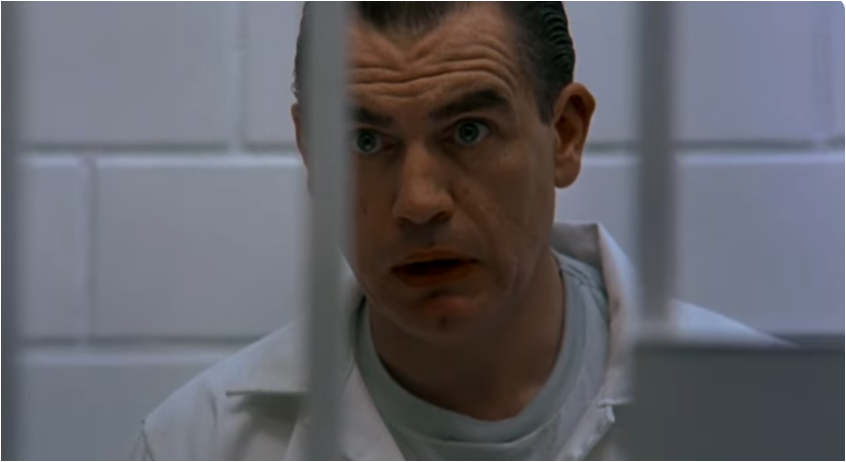
Starring: William Petersen, Tom Noonan
Before The Silence of the Lambs, Michael Mann’s Manhunter explored the mind of a serial killer with a chilling and calculated approach. The film centers on FBI profiler Will Graham as he hunts the Tooth Fairy.
What sets this film apart is Mann’s use of physical media, crime scene photos, old films, and newspaper clippings. The slow, methodical investigation mirrors the limitations of pre-digital forensics, creating a psychological tension that feels grounded in the real world.
The Dead Zone (1983)
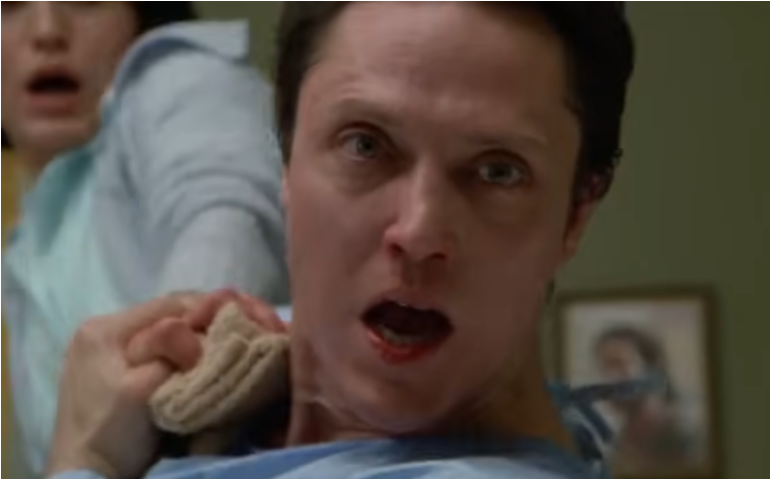
Director: David Cronenberg
Starring: Christopher Walken, Brooke Adams
In The Dead Zone, Cronenberg adapts Stephen King’s novel into a chilling psychological thriller about a man who awakens from a coma with psychic abilities. The film’s analog creep is subtle, manifested in the way Johnny Smith’s visions are portrayed as Polaroid-like flashes of light.
This technique heightens the immediacy of his premonitions, transforming them into real, tangible fears rather than the flashy, digital effects often used today.
The Shining (1980)
Director: Stanley Kubrick
Starring: Jack Nicholson, Shelley Duvall
No list of psychological thrillers would be complete without The Shining, a film that not only stands the test of time but also remains a benchmark for the genre. Kubrick’s meticulous attention to detail is evident in every frame, where the oppressive silence of the Overlook Hotel’s vast, echoing halls heightens the terror of isolation.
The use of practical effects, such as the eerie, slow-tracking shots and the unnerving mechanical clack of the typewriter, gives the horror a physicality that modern CGI simply cannot match. In an era when digital editing was a distant dream, Kubrick knew how to manipulate physical space to create an atmosphere that left viewers constantly on edge.
Fatal Attraction (1987)
Director: Adrian Lyne
Starring: Michael Douglas, Glenn Close
One of the most iconic thrillers from the late ’80s, Fatal Attraction delves into the terror of obsession and the consequences of infidelity. The film unravels the unhinged pursuit of an affair gone awry. Close’s portrayal of Alex Forrest, a woman scorned, taps into a primal fear about the fragility of personal space and the dangers of seemingly innocent encounters.
The analog terror is experienced in how Alex invades every part of Douglas’s life, through phone calls, handwritten notes, and personal visits, without the convenience of digital tracking or text messages. It’s a truly analog nightmare of escalating fear.
The Entity (1982)
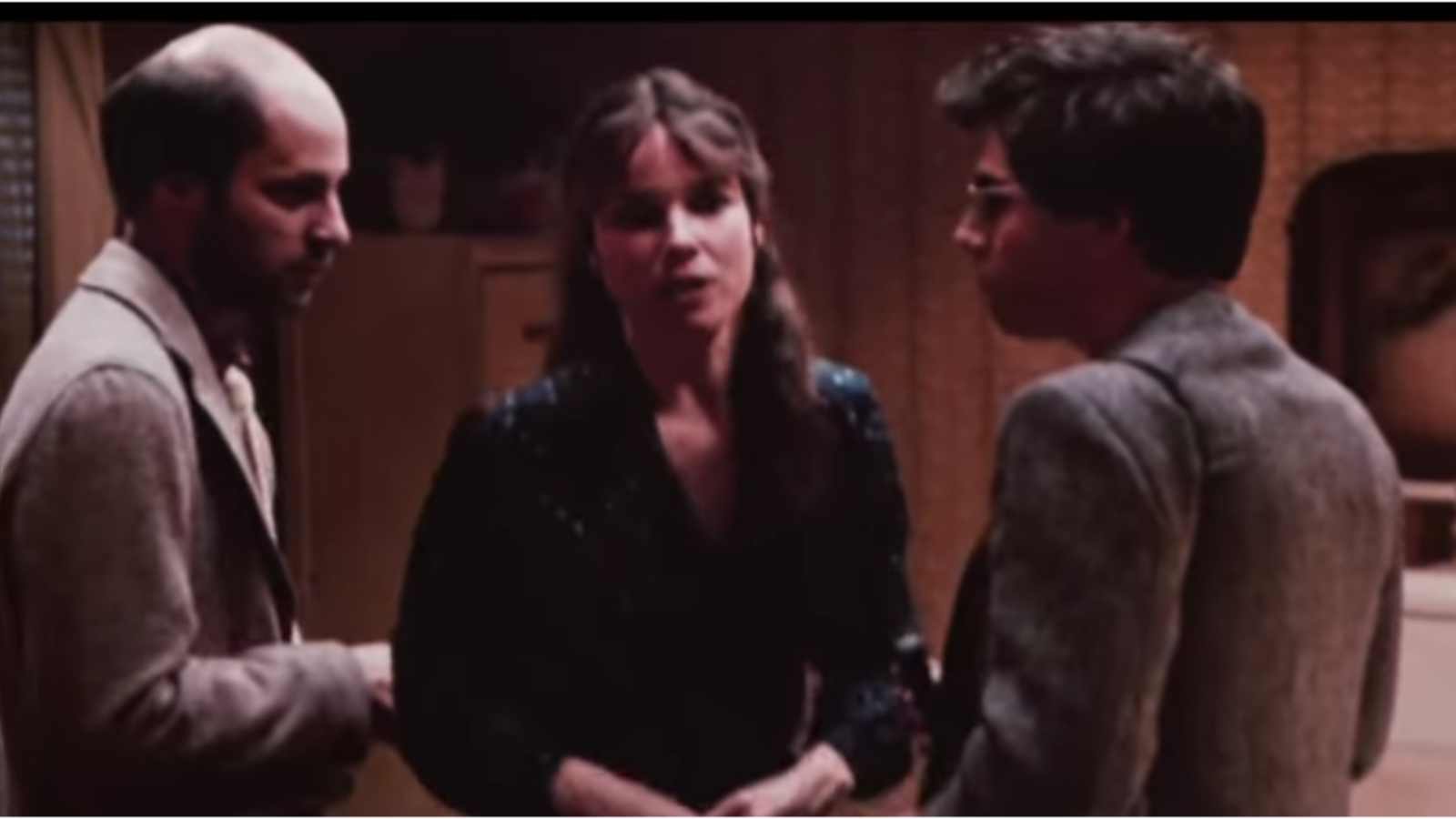
Director: Sidney J. Furie
Starring: Barbara Hershey, Ron Silver
Based on a purportedly true story, The Entity is an unnervingly grounded supernatural thriller that uses analog technology to create an atmosphere of dread. Barbara Hershey stars as Carla Moran, a woman who believes she is repeatedly assaulted by an invisible entity.
What makes this film so disturbing is its use of physical effects to bring the unseen to life. Practical effects, such as furniture moving on its own, lights flickering, and Hershey’s physical performance, combine to create an analog fear that feels shockingly real.
Dressed To Kill (1980)
Director: Brian De Palma
Starring: Michael Caine, Angie Dickinson
De Palma’s Dressed to Kill is a masterclass in suspense, laced with voyeuristic thrills and analog techniques that ramp up its unsettling mood. The film centers on a mysterious murder at a high-end New York apartment, with the protagonist becoming entangled in a web of deception.
What sets this film apart is its heavy reliance on split screens and analog surveillance equipment. Cameras, telescopes, and other tools of voyeurism are essential to the plot, creating an atmosphere of constant observation and invasion.
The Hunger (1983)
Director: Tony Scott
Starring: Catherine Deneuve, David Bowie
Tony Scott’s The Hunger combines a stylish, sensual atmosphere with slow-burning horror, capturing the essence of vampire lore in a highly aestheticized way. The film’s analog beauty is captured through practical effects, lighting, and synth-heavy music, with a special focus on tactile visuals, the feeling of texture, from velvet curtains to aging skin.
The analog age is evident in the practical effects, which show the rapid aging of Bowie’s character, using prosthetics and makeup rather than digital manipulation. This film’s mood is constructed through visual elegance and dread rather than quick cuts or computer-generated effects.
Body Double (1984)
Director: Brian De Palma
Starring: Craig Wasson, Melanie Griffith
De Palma’s Body Double explores themes of voyeurism and identity, using a wide array of analog tools, from zoom-lens cameras to physical surveillance methods. The film follows a struggling actor who becomes embroiled in a web of voyeuristic mystery, watching a murder unfold from his apartment window.
De Palma’s use of split screens and voyeuristic techniques through analog means forces the viewer to feel complicit in the invasion of privacy.
Videodrome (1983)
Director: David Cronenberg
Starring: James Woods, Debbie Harry
Videodrome is a groundbreaking exploration of the impact of media and technology on the human mind. A TV executive stumbles upon a mysterious broadcast that leads to hallucinations and body horror.
Cronenberg transforms VHS tapes and broadcast signals into elements of terror, using the tape’s physical decay to evoke a sense of dread that transcends the digital age.
Blow Out (1981)
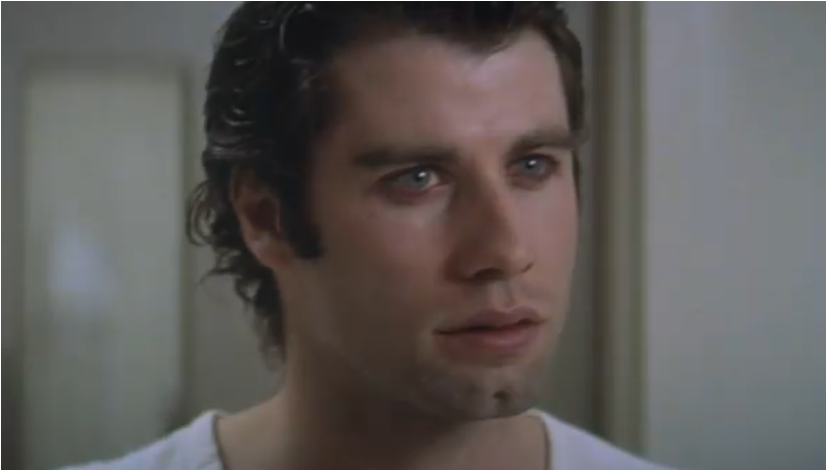
Blow Out Official Trailer #2 by Rotten Tomatoes Classic Trailers via YouTube.Used under fair use for commentary
Director: Brian De Palma
Starring: John Travolta, Nancy Allen
Blow Out is a masterful thriller that elevates analog technology to a central role in its narrative. Sound technician Jack Terry accidentally records a murder, and as he dives deeper into the tape’s mysteries, the analog tools of filmmaking become central to the plot.
The film’s tension escalates as Jack becomes obsessed with the grainy, unreliable recordings, building paranoia and suspense in ways that today’s digital editing tools could never achieve.
Conclusion
These 10 psychological thrillers from the ’80s use analog technology, physical effects, and deliberate pacing to craft a type of horror that has all but disappeared in today’s digitally dominated landscape.
Whether through the slow grind of tape degradation, the tangible physicality of props, or the subtle discomfort of surveillance, these films capture the essence of a time when fear was shaped by the limits of technology, fear that, in many ways, was much more real and raw than what we experience in the digital age.