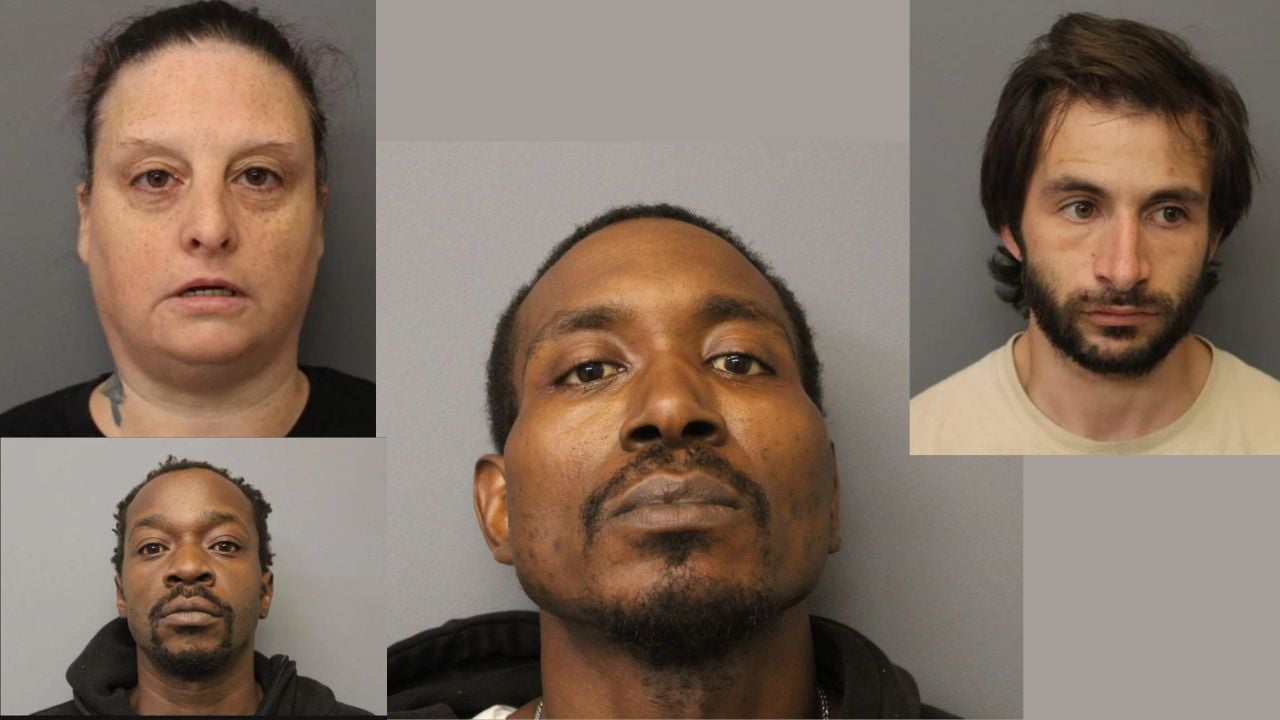
Federal prosecutors in northern New York have charged 15 alleged members and associates of the Untouchable Gorilla Stone Nation in a bank fraud conspiracy that authorities say operated in Albany and elsewhere.
The U.S. Attorney’s Office for the Northern District of New York announced the charges Oct. 1. The criminal complaint alleges the defendants conspired to defraud and attempt to defraud individuals, financial institutions and the U.S. Treasury of more than $620,000.
Prosecutors say the organization had operated since at least September 2024 and allege that members and associates sought to generate revenue through crimes including bank fraud.
Prosecutors Say Stolen Mail Checks Fueled the Fraud Scheme
The Justice Department said the criminal complaint accuses the defendants of participating in a conspiracy involving stolen checks and fraudulent financial transactions.
FBI Albany Special Agent in Charge Craig Tremaroli said the complaint alleges members and associates of the organization stole checks from business and home mailboxes and used them to commit bank fraud.
Prosecutors allege the bank-fraud activity was among the crimes members and associates used to seek revenue for the Untouchable Gorilla Stone Nation.
The Federal Complaint Names 15 Defendants
The complaint charges David Robinson, also known as “RR” and “Double”; Wayne Samuels, also known as “Spazz” and “Doobie”; Nygel Hall; Markese Jones, also known as “Milly”; Justin Clarke, also known as “JT”; Amari McEwan-White; Christopher Michel; Jevon McKain, also known as “Mojo”; Jeffrey Ghee, also known as “Drama”; Tori Staton, also known as “Tip”; Derrick Bradford, also known as “DB” and “Da Bully”; Antoinette Gueits, also known as “Baggz”; Arthur Lilly; Michael Carter, also known as “Stunna”; and Eric Strong, also known as “Nuski.”
The Justice Department lists each defendant as charged with participation in the bank fraud conspiracy. The charge carries a maximum possible sentence of 30 years in prison, a fine of up to $1 million and up to five years of supervised release. Those are statutory maximums, not predictions of what any defendant would receive if convicted.
The charges are accusations. The defendants are presumed innocent unless and until proven guilty.
Ghee Has a Detention Hearing Scheduled in Rochester
Jeffrey Ghee, 39, also known as “Drama,” of Medina, was taken into federal custody and transported to Rochester after authorities also conducted a separate local investigation in Medina, according to Orleans Hub.
An official Western District of New York court calendar lists United States v. Jeffrey Ghee, case 6:26-mj-00598, for a detention hearing in Rochester on Oct. 5 at 3 p.m.
The federal bank fraud charge announced by the Northern District of New York is separate from the local Medina case.
Operation Certified Delivery Brought Together Postal and Financial Investigators
The Justice Department said the case grew out of a multi-agency investigation involving the FBI Albany Financial Crimes Task Force, whose members include the FBI, U.S. Postal Inspection Service, IRS Criminal Investigation and Albany Police Department.
The FBI referred to the investigation as Operation Certified Delivery. Tremaroli said investigators connected checks allegedly stolen from mailboxes with the bank fraud investigation.
IRS Criminal Investigation said its financial investigators traced alleged illicit proceeds as part of the broader operation. Numerous additional federal, state and local agencies assisted with the investigation.
Postal Inspectors Recommend Securing Checks Before and After Mailing
The U.S. Postal Inspection Service warns that checks stolen from the mail can be altered by changing the payee or dollar amount, while copied banking information can also be used to create fraudulent checks.
For outgoing mail, postal inspectors recommend depositing checks inside a Post Office or placing them in a collection box before the last scheduled pickup rather than leaving them exposed for extended periods. They also recommend collecting incoming mail promptly and contacting the sender when an expected check does not arrive.
For businesses, the Postal Inspection Service recommends confirming that checks issued from business accounts reach their intended recipients and asking banks about fraud-monitoring tools, including positive pay services.
Anyone who finds a stolen, altered or counterfeit check should contact the bank promptly. The Postal Inspection Service also accepts reports of suspected mail theft and check fraud.