When we think of Oscar-winning performances, we often imagine epic, three-hour marathons where actors undergo grueling transformations or dominate every frame. We think of the heavy hitters who carry a film from the opening credits to the final fade-out. However, the Academy of Motion Picture Arts and Sciences has a long-standing history of proving that quality and sheer unadulterated impact frequently trumps quantity.
Sometimes, all it takes to walk away with a gold statue is a single, searing monologue or a handful of scenes so potent they shift the entire gravity of the movie. In cinema, there is a special breed of performers who arrive, devastate the audience, and exit before the popcorn is even half-finished.
From the 1940s to the modern era of the 2010s, these actors have mastered the art of the “cameo win,” turning brief appearances into permanent Hollywood legacies.
Allison Janney won Best Supporting Actress for I, Tonya in 2018
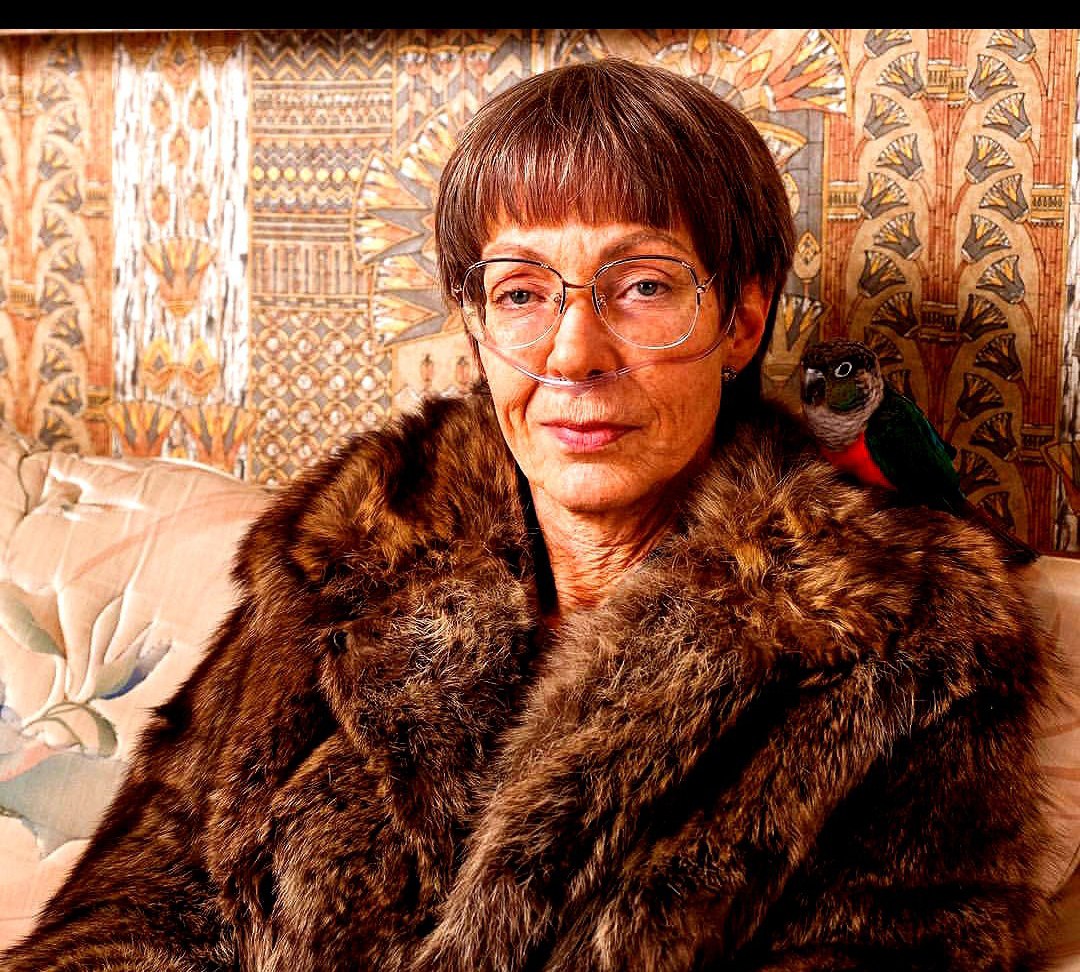
Allison Janney’s portrayal of LaVona Golden in I, Tonya is a masterclass in making every second count, and arguably every second hurt. Clocking in at approximately 15 minutes and 37 seconds, Janney’s performance is the jagged, oxygen-depriving heart of the film. Playing the abusive, oxygen-tank-toting mother of figure skater Tonya Harding, Janney didn’t just play a villain; she played a force of nature. According to reports, Janney took the role specifically because of the complex, albeit terrifying, script by Steven Rogers, a longtime friend who wrote the part with her in mind.
The “spin” on Janney’s win is often centered on her ability to disappear into a character that is fundamentally unlikable. Clad in a fur coat with a bird perched on her shoulder, she delivered lines that were simultaneously hilarious and soul-crushing. This 15-minute blitz was enough to sweep the entire 2018 awards season, proving that a well-placed “monster” can often outshine a dozen heroes.
Frank Sinatra won Best Supporting Actor for From Here to Eternity in 1954
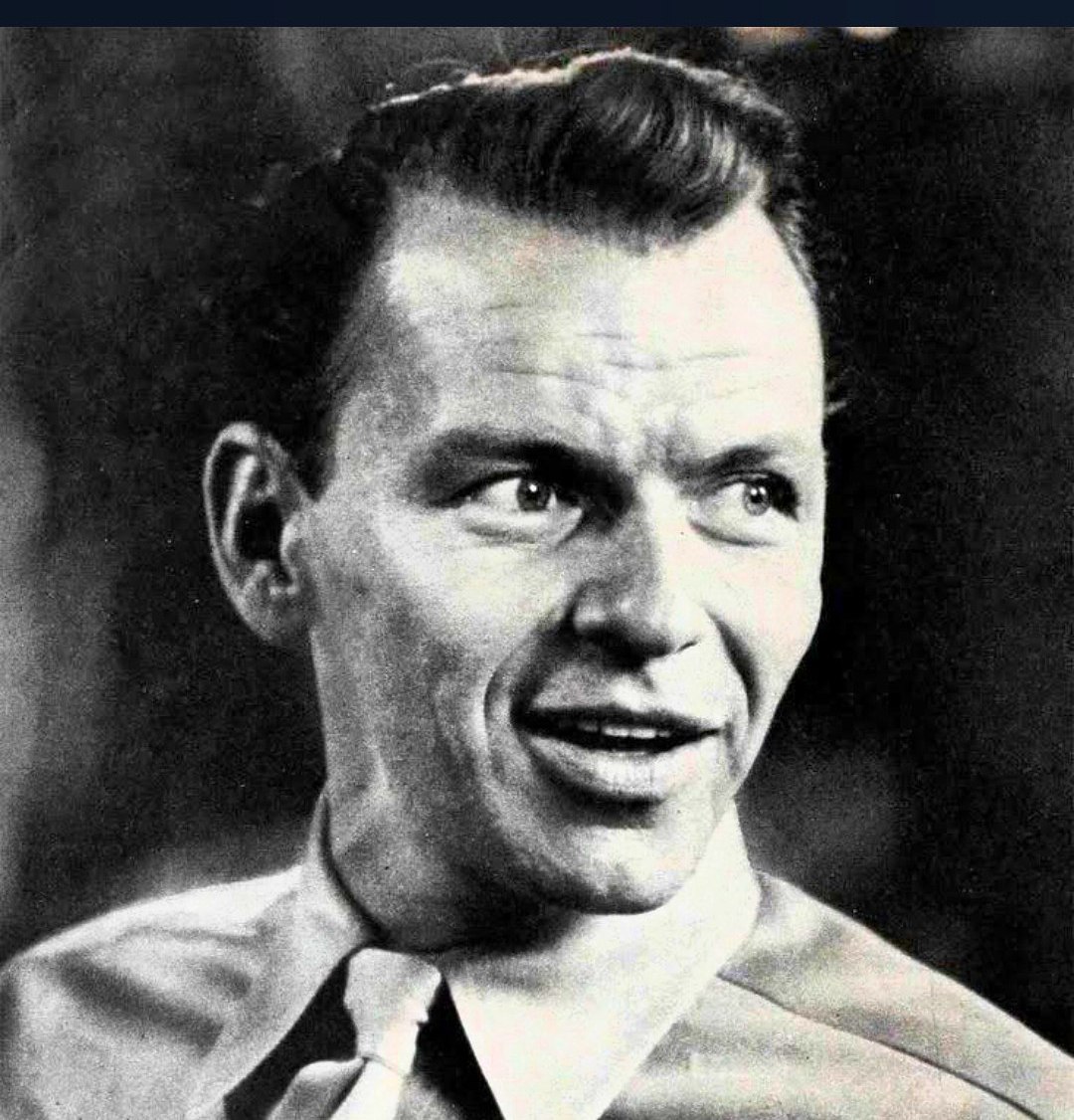
In 1954, Frank Sinatra pulled off one of the greatest career resurrections in entertainment history. Before From Here to Eternity, “Ol’ Blue Eyes” was considered “washed up” by many industry insiders. His music career had stalled, and his leading-man status was fading. Then came the role of Angelo Maggio. Sinatra was only on screen for about 20 minutes and 11 seconds, but those twenty minutes changed everything. He brought a raw, desperate vulnerability to the doomed soldier that audiences had never seen from the crooner before.
Historical context suggests that Sinatra fought tooth and nail for this role, even offering to work for a fraction of his usual salary. The gamble paid off with a Best Supporting Actor win that silenced his critics and launched the second act of his legendary career. It remains a definitive example of how a “supporting” role can be the most pivotal moment in an icon’s filmography.
Celeste Holm won Best Supporting Actress for Gentleman’s Agreement in 1947
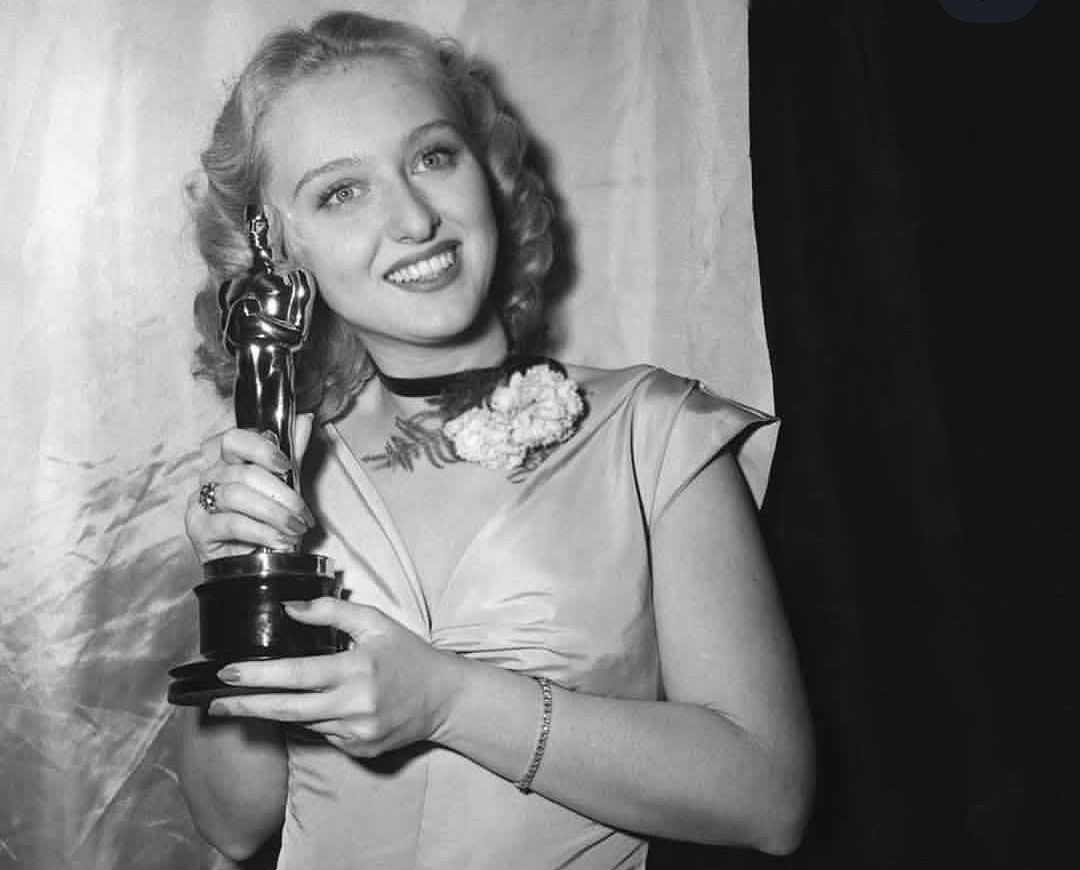
Long before modern tracking apps calculated screen time down to the millisecond, Celeste Holm was proving that a magnetic personality could win an Oscar in a quarter of an hour. In the 1947 classic Gentleman’s Agreement, Holm plays Anne Dettrey, a fashion editor who provides a sophisticated, witty contrast to the film’s heavier themes of antisemitism. Her estimated 15 minutes on screen are filled with the kind of “luminous” acting that defined the Golden Age of Hollywood.
Javier Bardem won Best Supporting Actor for No Country for Old Men in 2008
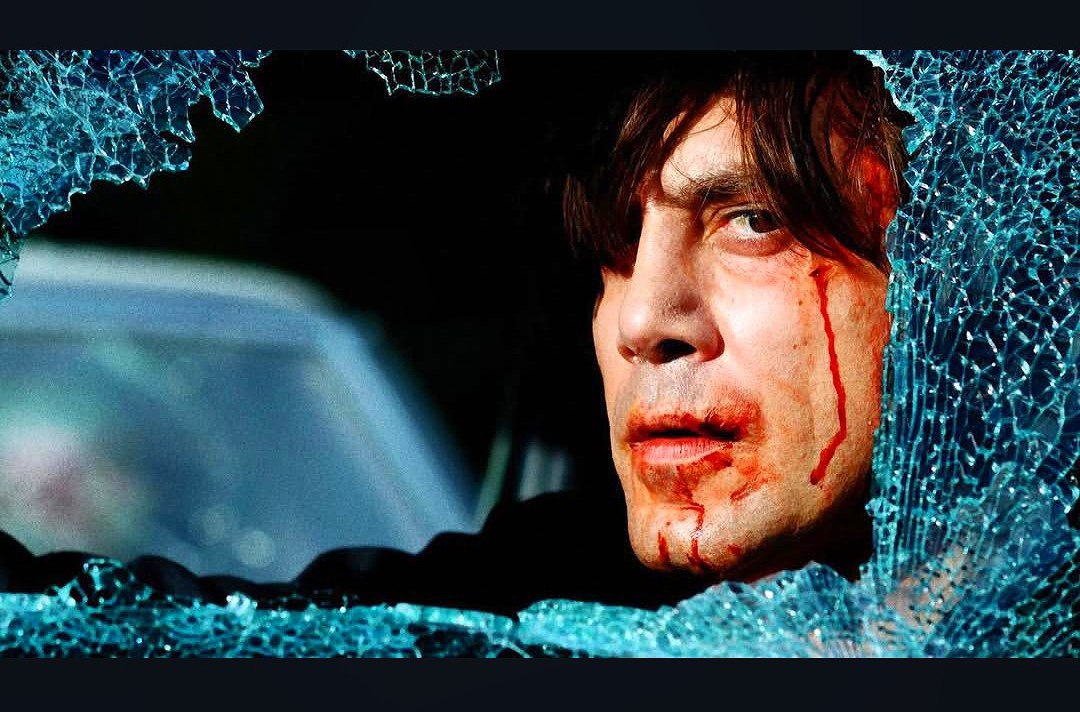
If there is a performance on this list that feels like it lasts three hours because of the sheer dread it induces, it’s Javier Bardem’s Anton Chigurh. Despite being the primary antagonist of the Coen Brothers’ masterpiece No Country for Old Men, Bardem is only actually on screen for 28 minutes and 54 seconds. That is less than a third of the film’s runtime. Yet, mention the movie to anyone, and the first thing they think of is the cattle gun, the bowl cut, and the coin toss.
Bardem’s win is a fascinating study in “presence.” He spent much of those 28 minutes in silence or moving with a deliberate, shark-like stillness. There has been plenty of online speculation regarding the psychological “weight” of his character; many fans feel like he is in the entire movie because the fear of him permeates every scene he isn’t in. This is the ultimate “phantom” performance, one where the actor’s shadow is longer than their actual screen time.
Anjelica Huston won Best Supporting Actress for Prizzi’s Honor in 1986
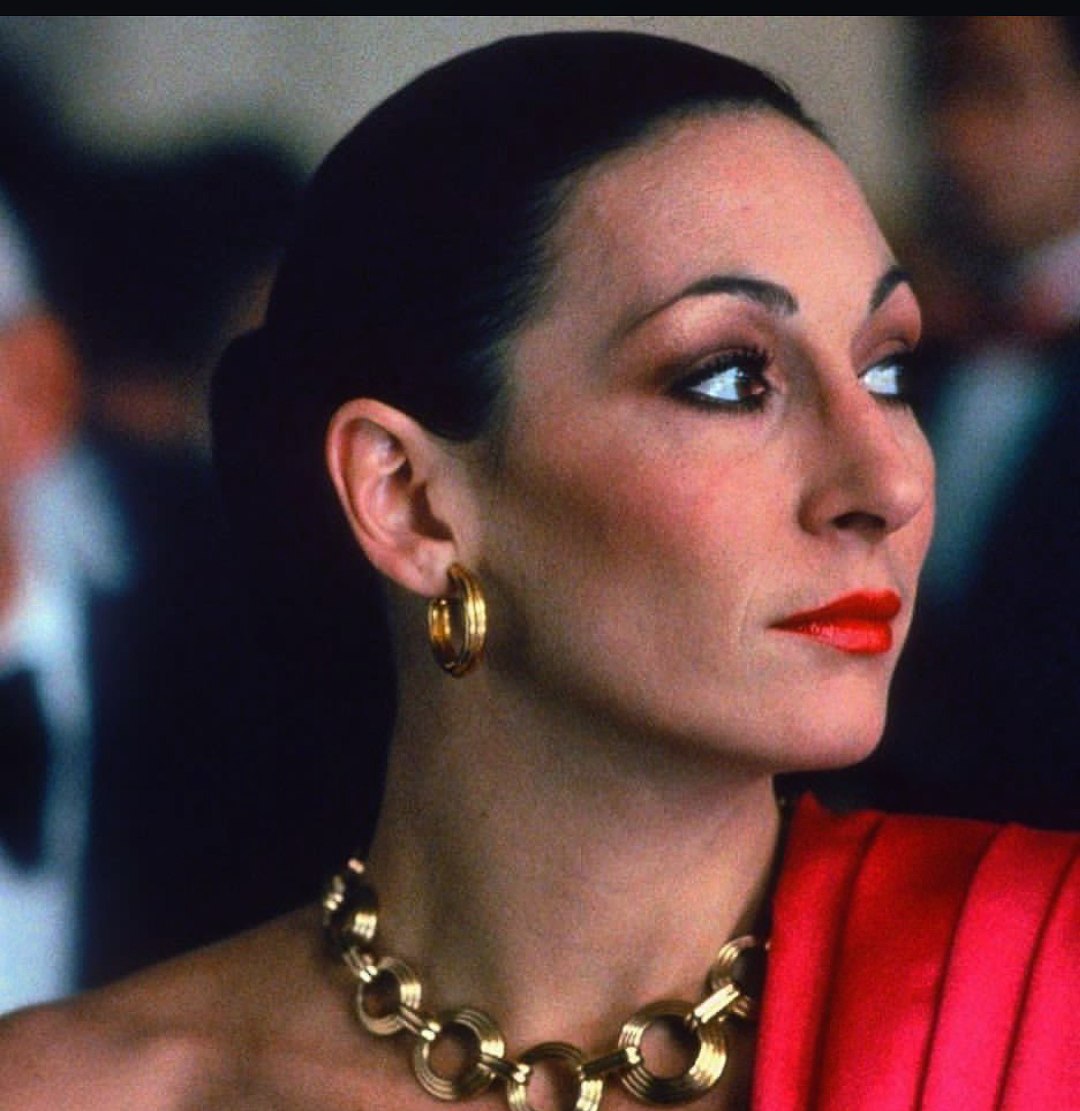
Anjelica Huston’s win for Prizzi’s Honor is a family affair that Hollywood still talks about. Directed by her father, John Huston, and starring her then-partner Jack Nicholson, Anjelica had to work twice as hard to prove she wasn’t just there because of her last name. As Maerose Prizzi, she brought a calculating, Brooklyn-accented fire to the screen that was impossible to ignore.
This win is a significant marker in Oscar history because it made the Hustons the first family to have three generations of Oscar winners (joining her father and grandfather, Walter Huston). Her brief screen time didn’t hinder her; it focused her. Every line was a needle, and every look was a threat. It’s a performance that stands as a rebuttal to anyone who thinks nepotism is the only way to get a seat at the table. Huston earned hers in just a few minutes.
James Coburn won Best Supporting Actor for Affliction in 1997
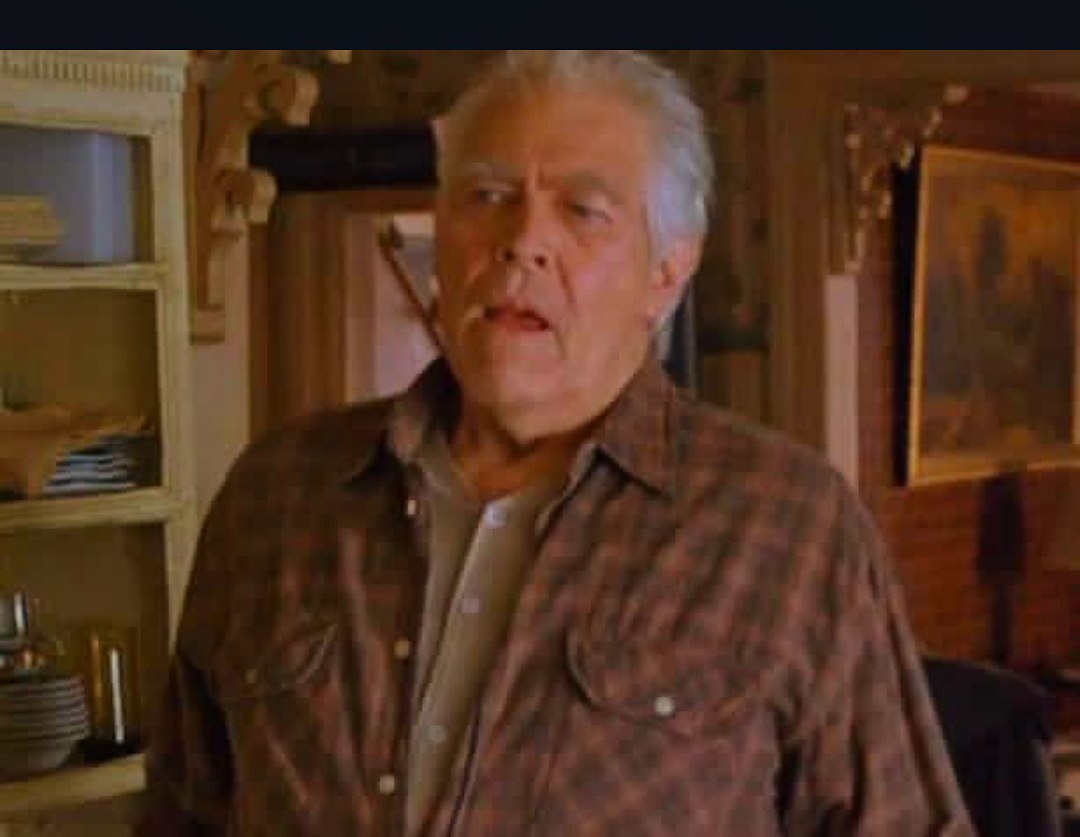
James Coburn’s win for Affliction in 1997 was often described by critics at the time as a “career achievement” award, but that dismisses just how terrifying he was in his 17 minutes and 10 seconds of screen time. Playing the abusive, alcoholic patriarch Glen Whitehouse, Coburn was the literal “affliction” of the title. He didn’t need a long arc to show the damage he had done to his son (played by Nick Nolte); he showed it in the way he held a glass and the growl in his voice.
According to his own words in later interviews, Coburn felt this role was one of the few times he was truly allowed to dig into the “darkness” of a character. It’s a performance that doesn’t ask for sympathy, and that lack of vanity is exactly what the Academy tends to reward in veteran actors. He proved that even at the end of a long career, a 17-minute sprint could be just as effective as a marathon.
Anne Hathaway won Best Supporting Actress for Les Misérables in 2012
Anne Hathaway’s performance as Fantine in Les Misérables is perhaps the most scrutinized “short” performance in recent history. With roughly 15 minutes of screen time, Hathaway took home the gold primarily on the strength of a single, raw, one-take performance of “I Dreamed a Dream.” To prepare, she famously lost 25 pounds and had her hair cut on camera, a level of commitment that fueled months of headlines.
While her win was almost a foregone conclusion after the film’s first screening, it sparked a wave of what was later dubbed “Hathahate” on social media. Online speculation at the time suggested that the public found her “too eager” during the awards circuit. However, looking back with a decade of context, her 15 minutes remain an undeniable vocal and emotional powerhouse.
She didn’t just sing a song; she lived a tragedy in the span of four minutes, which is the definition of supporting acting at its finest.
Alan Arkin won Best Supporting Actor for Little Miss Sunshine in 2006
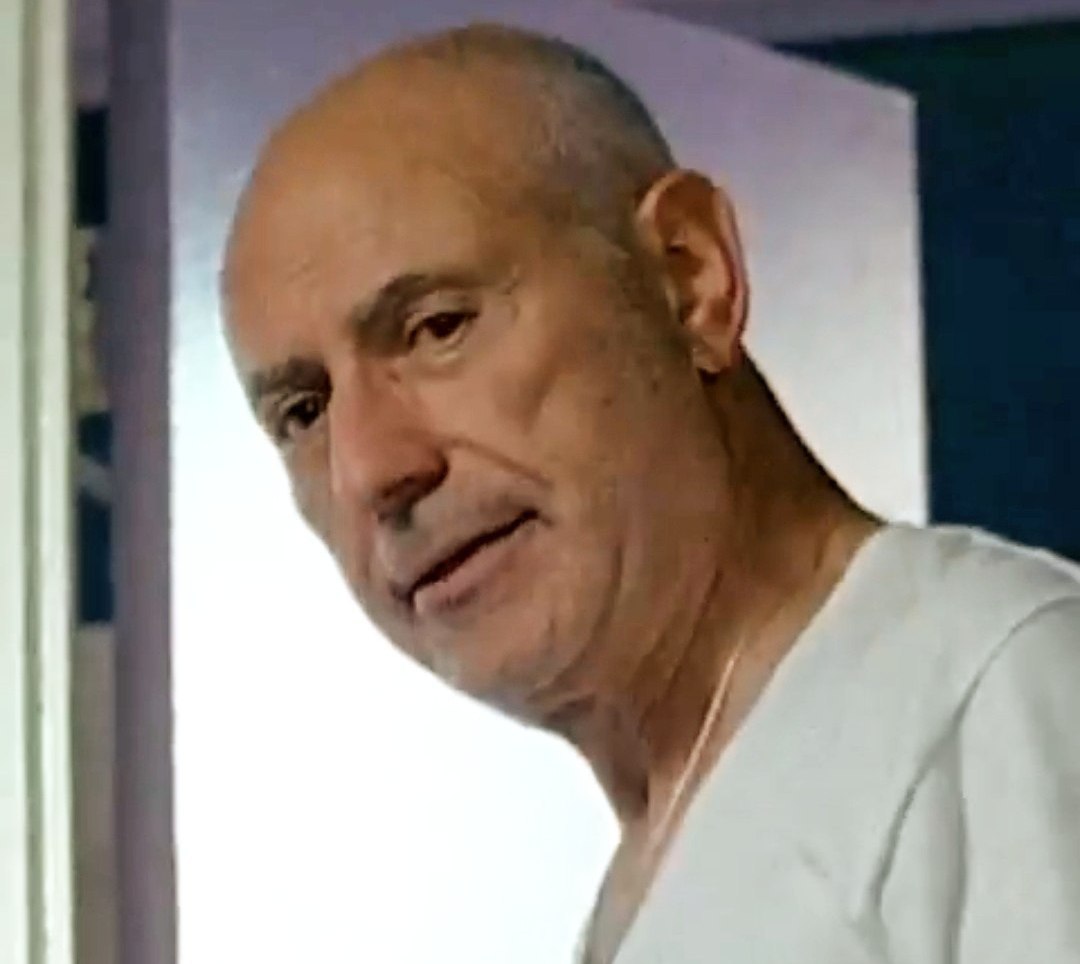
Alan Arkin’s turn as Grandpa Edwin Hoover in Little Miss Sunshine is proof that you can be the life of the party even if you leave early. Arkin is on screen for only 14 minutes, yet he provides the emotional and comedic backbone of the entire film. His character, a heroin-snorting, foul-mouthed, yet deeply loving grandfather, represented the “rebel” spirit of the indie hit.
The beauty of Arkin’s win is that his character’s presence is felt long after he disappears from the screen. The third act of the movie is entirely driven by the family’s desire to fulfill his wishes. This is a classic example of a “catalyst” role. The Academy recognized that without Arkin’s 14 minutes of chaos, the rest of the movie’s 102 minutes wouldn’t have mattered. He provided the spark, and the rest of the cast carried the flame.
Beatrice Straight won Best Supporting Actress for Network in 1976
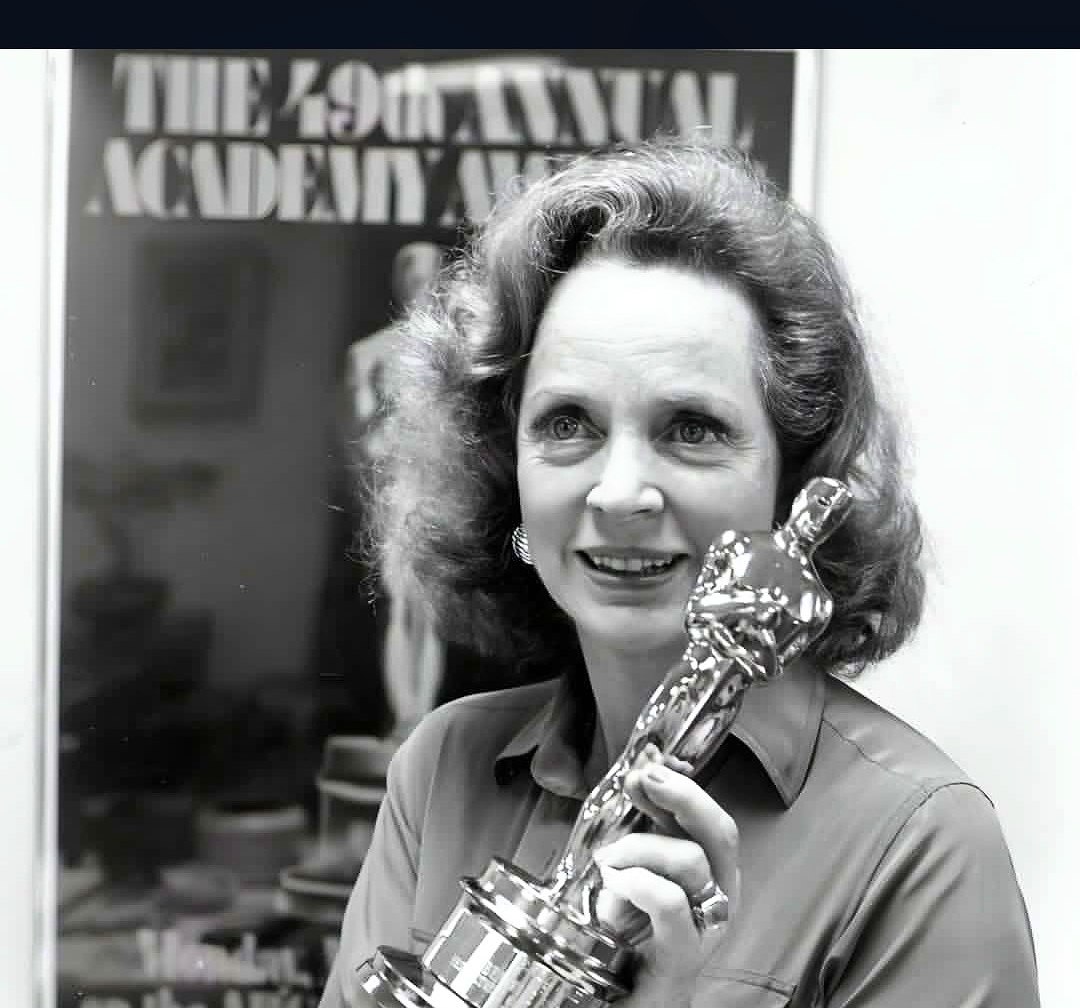
Finally, we have the record-holder. While she wasn’t in the user’s raw notes, no list of short Oscar wins is complete without Beatrice Straight. Her performance in Network lasted exactly 5 minutes and 40 seconds. It is the shortest performance ever to win an Academy Award. She appears in essentially one major scene: a confrontation with her unfaithful husband. In those five minutes, she cycles through shock, rage, dignity, and devastating grief.
Straight’s win is often used as a benchmark in discussions about “efficiency” in acting. It’s the ultimate “mic drop” in Hollywood history and remains the definitive proof that there are truly no small parts, only small actors.