There are political speeches, and then there are moments that feel like something else entirely. This one came with music, movement, and a claim that quickly got people talking. It all centered on a disco classic that has stayed in rotation for decades.
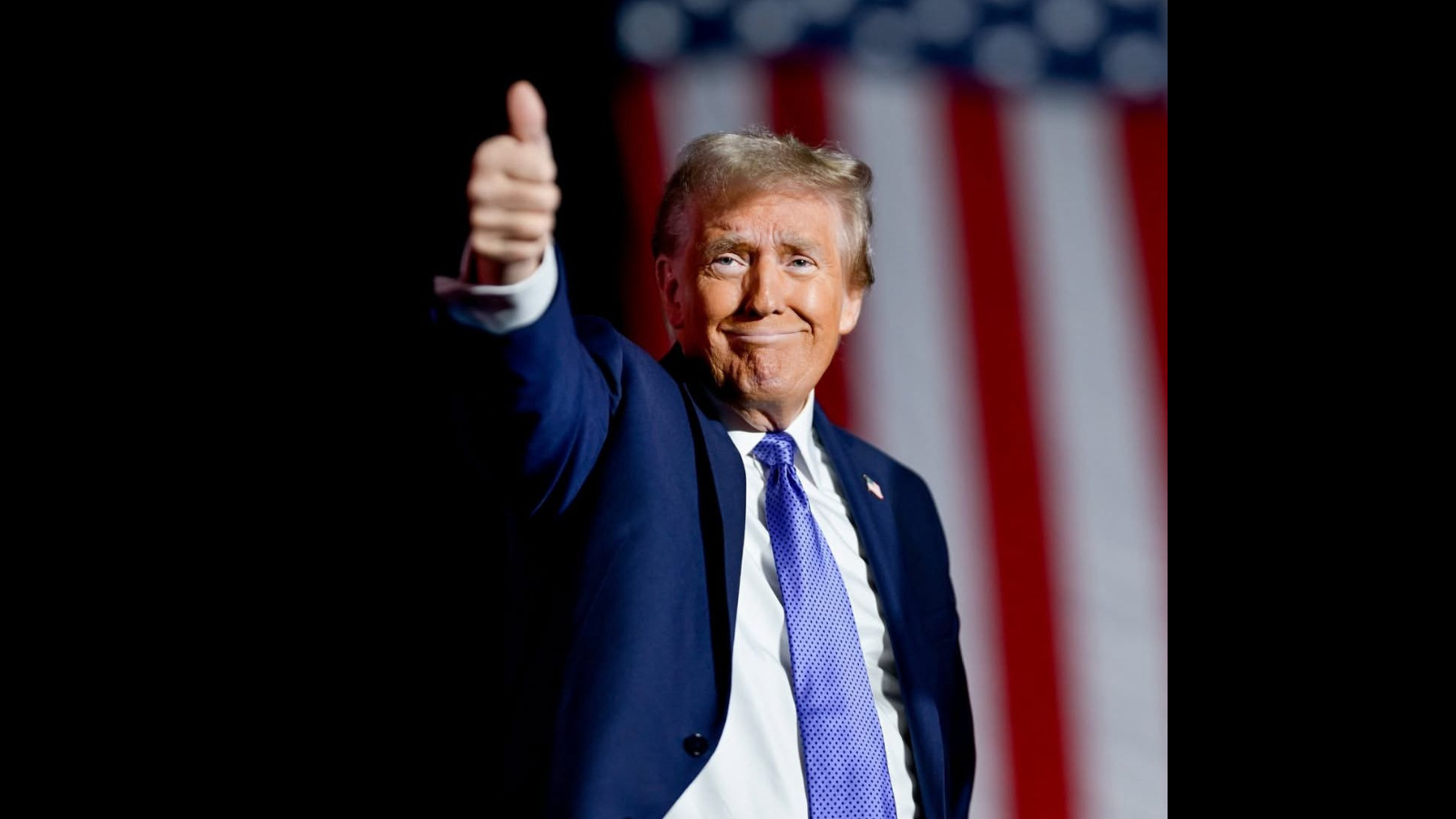
At a stop in Florida, Donald Trump stepped away from the usual talking points and leaned into something the crowd already recognizes. He moved through his now familiar dance, swinging his hips, raising his fists, and miming a golf swing. Then he told the audience that those same moves were the reason “Y.M.C.A.” climbed back to No. 1.
The claim was direct and came without any extra explanation. For a song that has been around since 1978, it was another moment in a long, already complicated history.
The Routine That Became the Argument
This was not a throwaway comment. Trump built the claim into the performance itself. He moved across the stage, did the gestures people already recognized from his rallies, and then said it plainly.
He told the crowd that his dancing is what pushed “Y.M.C.A.” to the top of the charts. He called it the “gay national anthem”. The audience at The Villages, many of whom remember the song from its original run, watched the routine play out like it always does, just with a different claim attached this time.
By now, the dance itself has become part of the rally culture. It’s shown up more than 110 times across two campaigns, spreading from arenas to outdoor fields. Supporters have picked it up, athletes have joined in, and it’s become one of those things people expect to see before the night wraps up.
What the Charts Actually Show
Here’s where things get a little more layered. “Y.M.C.A.” did, in fact, reach No. 1 in 2024, decades after its original release in 1978, when it peaked at No. 2. That part is real, and it lines up with a campaign season where the song played at rally after rally, always paired with that same choreography.
What hasn’t been nailed down is exactly what pushed it back up the charts. There’s no single, confirmed reason. It could be the repeated exposure at large events, the viral clips circulating online, or just the way certain songs cycle back into popularity over time.
Trump’s version cuts straight through all of that uncertainty. He framed it as a direct result of his dancing, skipping over the decades of radio play, weddings, stadium use, and streaming bumps. He also added that the song had been sitting at “No. 5 for 32 years” before he came along, folding that detail into the same narrative.
The Village People, who created the song, haven’t publicly responded to this specific claim. Victor Willis, the group’s lead singer, had previously objected to the song being used at Trump rallies in 2020, but later performed alongside him at inauguration events in early 2025.
Melania Wasn’t Loving It
Trump further revealed that Melania had asked him not to do the dance, saying it “doesn’t look presidential.”
It was the first time he’s said that on stage. Earlier in the year, Melania had addressed the dance in a Fox News interview, but in a much softer way. She said she liked it “at certain times,” which now reads less like full approval and more like a matter of picking her moments.
The way Trump told it, her objection came off as a light aside, almost like a joke between them. Once he mentioned it publicly, her view became part of the wider conversation, and now sits alongside everything else said that day.
A Song With More Than One Owner
To understand why this whole thing comes across the way it does, you have to look at the song itself.
“Y.M.C.A.” was written in 1978 by the Village People, a group whose look and lyrical subtext made the track an early crossover into queer culture. It was a hit on its first run and a fixture for decades after, carried by ballparks and reception halls long before it became a rally closer.
The song has moved between contexts without losing any of them. It belonged to a disco group, then to a gay subculture that understood its coding clearly, then to the general stadium circuit, and eventually to a presidential campaign that made it a signature. Each setting added weight without erasing what came before.
What Friday added was a claim of authorship over its current life. Trump did not write, produce, or sing the song. He danced to it. By his account at The Villages, that was enough to explain why it is No. 1.
The Credit No One Asked For
Now, we have this moment where a decades-old disco track climbs back to the top, powered by a mix of nostalgia, visibility, and timing. And alongside that, we have a sitting president saying, very clearly, that his choreography is what made it happen.
Whether or not the dance actually moved the numbers remains an open question. There’s no clear line connecting one to the other in a measurable way. But the claim itself has taken on a life of its own, especially because of how directly it was delivered.
For now, there’s no official pushback from the people who made the song. The chart position is real, and the dance is documented across dozens of rallies. And the question of who gets credit for what is sitting out in the open.