
Hollywood is known for its glitz, glamour, and fame, but behind the scenes, it has also been the stage for secretive power shifts, career-ending decisions, and quiet blacklists. These hidden rules of the industry have ended the careers of many actors, often without warning or explanation. The blacklisting process wasn’t always formalized, but its effects were devastating and long-lasting for many. Some actors disappeared from Hollywood for reasons ranging from their political beliefs to their unwillingness to conform.
In this article, we delve deep into the careers of actors who were quietly blacklisted, highlighting how they were erased from Hollywood without a trace.
Paul Robeson
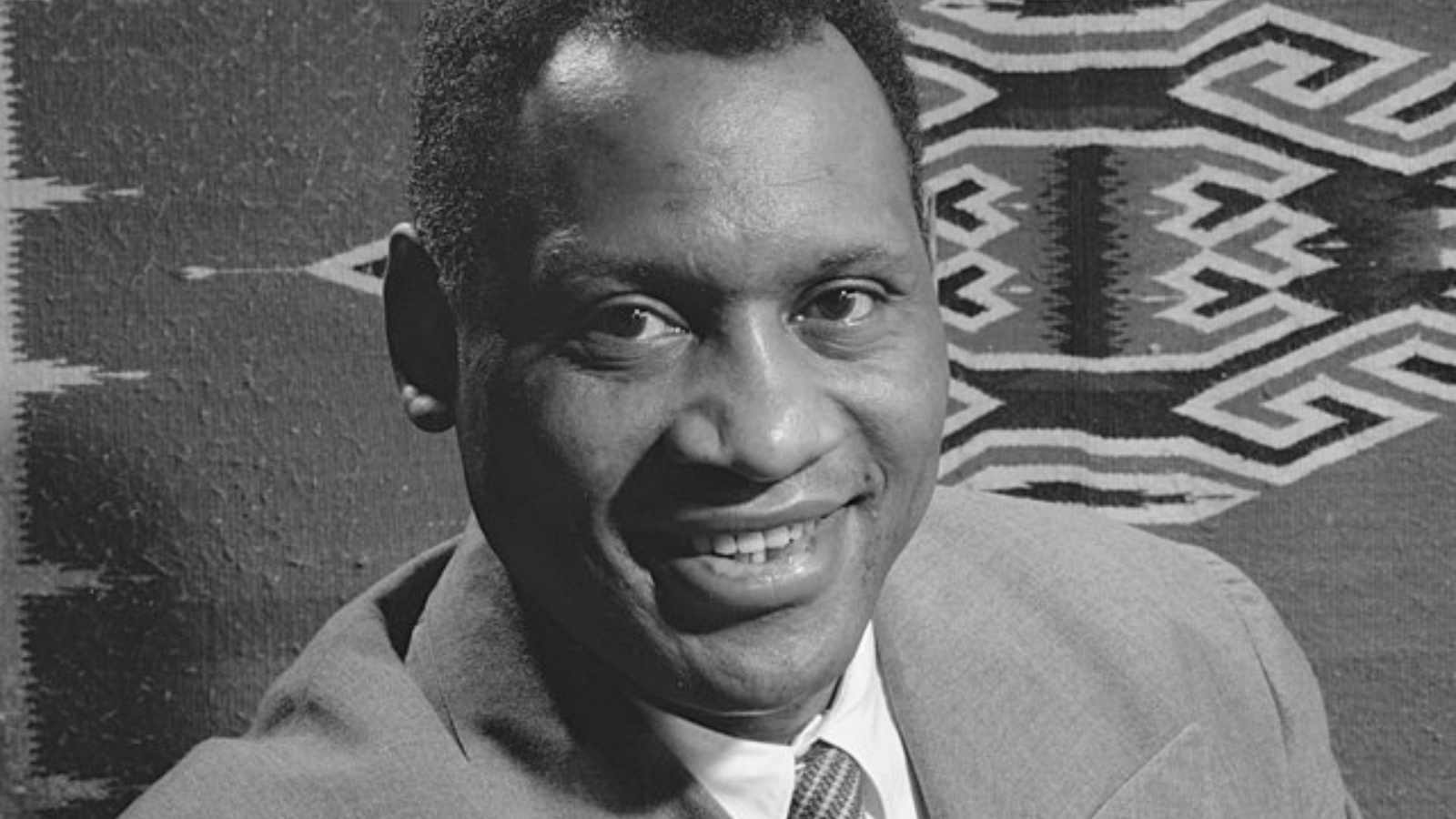
Paul Robeson was more than just an actor, he was an intellectual, a singer, and a strong advocate for racial and labor equality. His roles in The Emperor Jones and Show Boat earned him fame, but his outspoken beliefs about social justice led to his downfall. In 1950, Robeson’s passport was revoked after he spoke out against racial discrimination, making it nearly impossible for him to travel or perform abroad.
As a result, his opportunities in Hollywood dried up, and soon, his name vanished from public view. Despite his fame and talent, Robeson’s career ended abruptly because of his refusal to compromise on his principles.
John Garfield
John Garfield was one of the brightest stars at Warner Bros. in the 1940s, praised for his gritty, raw performances. However, his political associations led to his downfall when the House Un-American Activities Committee (HUAC) began investigating suspected communists in Hollywood. Garfield never openly admitted to communist ties, but the mere suspicion was enough to freeze his career.
His work opportunities dwindled, and by the time he passed away at the age of 39, his once-promising career had been completely derailed. Garfield’s story is a perfect example of how fear, rather than talent, can shape an actor’s fate in Hollywood.
Hazel Scott
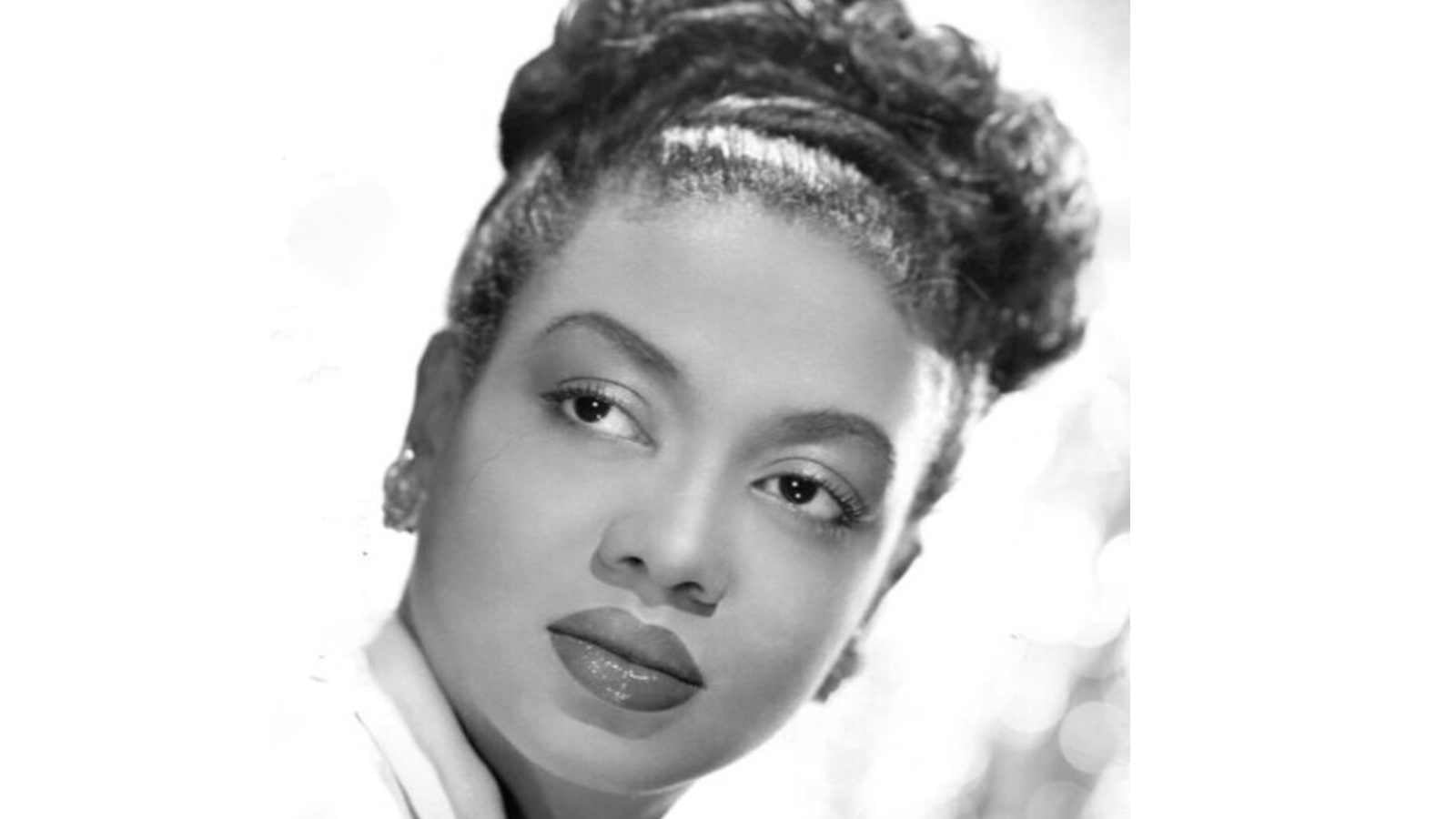
Hazel Scott was a pioneering African American pianist and singer who refused to accept the limitations placed on Black performers in Hollywood. In 1950, she was accused of having communist ties, and her career quickly spiraled downward. Despite publicly denying any political affiliation, Scott’s television show was canceled, and her roles in major films vanished.
She left the United States, continuing her career in Europe, where she found more creative freedom. Scott’s story reveals how blacklisting was often tied to racial and political prejudice, especially for Black women who dared to push against the system.
Larry Parks
Larry Parks’ career appeared set to soar after his Golden Globe-winning portrayal of Al Jolson. However, in 1951, Parks was called before the HUAC and confessed to his past affiliation with the Communist Party. Despite naming others who shared his beliefs, his career never recovered.
Hollywood studios were unwilling to take the risk of working with an actor tainted by such associations, and Parks was soon out of work. His story is a stark reminder of how Hollywood punished those who were tied to political movements, even when they tried to cooperate with authorities.
Rosaura Revueltas

Rosaura Revueltas was a celebrated Mexican actress who starred in the film Salt of the Earth, which told the story of labor strikes and was made by a team of blacklisted creators. Revueltas’ involvement in the film led to her being blacklisted, and she was forced to leave the country after facing visa issues.
Her career in Hollywood came to an abrupt halt, with studios refusing to hire her due to the political nature of her work. Though she continued to act in Mexico, Revueltas’ story is another example of how Hollywood’s blacklisting practices extended far beyond communist affiliations and into issues of race and labor.
Jean Muir
Jean Muir’s fall from grace in Hollywood happened almost overnight. Accused of being associated with communist groups, Muir was quietly removed from her television show. There was no formal evidence or trial; it was simply the result of public panic and fear.
Sponsors pulled out, and Muir’s career was left in tatters. Though she later made brief appearances on TV, her career never fully recovered. Muir’s story highlights the damage that rumors and accusations could inflict on an actor, even when those claims were unfounded.
Will Geer
Will Geer was a well-known actor in the 1950s, starring in films like The Lost Weekend. However, his career came to a halt when he refused to testify before the HUAC. His refusal to comply with the committee’s demands led to his blacklisting, and his work in Hollywood dried up. Forced to turn to theater for income, Geer spent many years away from the spotlight.
It wasn’t until years later, when he starred as Grandpa Walton on The Waltons, that he regained any significant fame. Geer’s experience shows how blacklisted actors were often forced to leave Hollywood and turn to other forms of work to survive.
Canada Lee
Canada Lee was an accomplished actor known for his roles in Lifeboat and Body and Soul. He was also an outspoken advocate for racial equality, which put him on the radar of authorities during the Red Scare. Lee’s political beliefs and activism led to his being blacklisted, and he was unable to secure steady work in Hollywood.
The fear of communism and racial prejudice led to Lee being denied a passport and blacklisted by studios. His career came to a halt, and he passed away in 1952, rarely seen inside Hollywood’s doors again.
Howard Da Silva
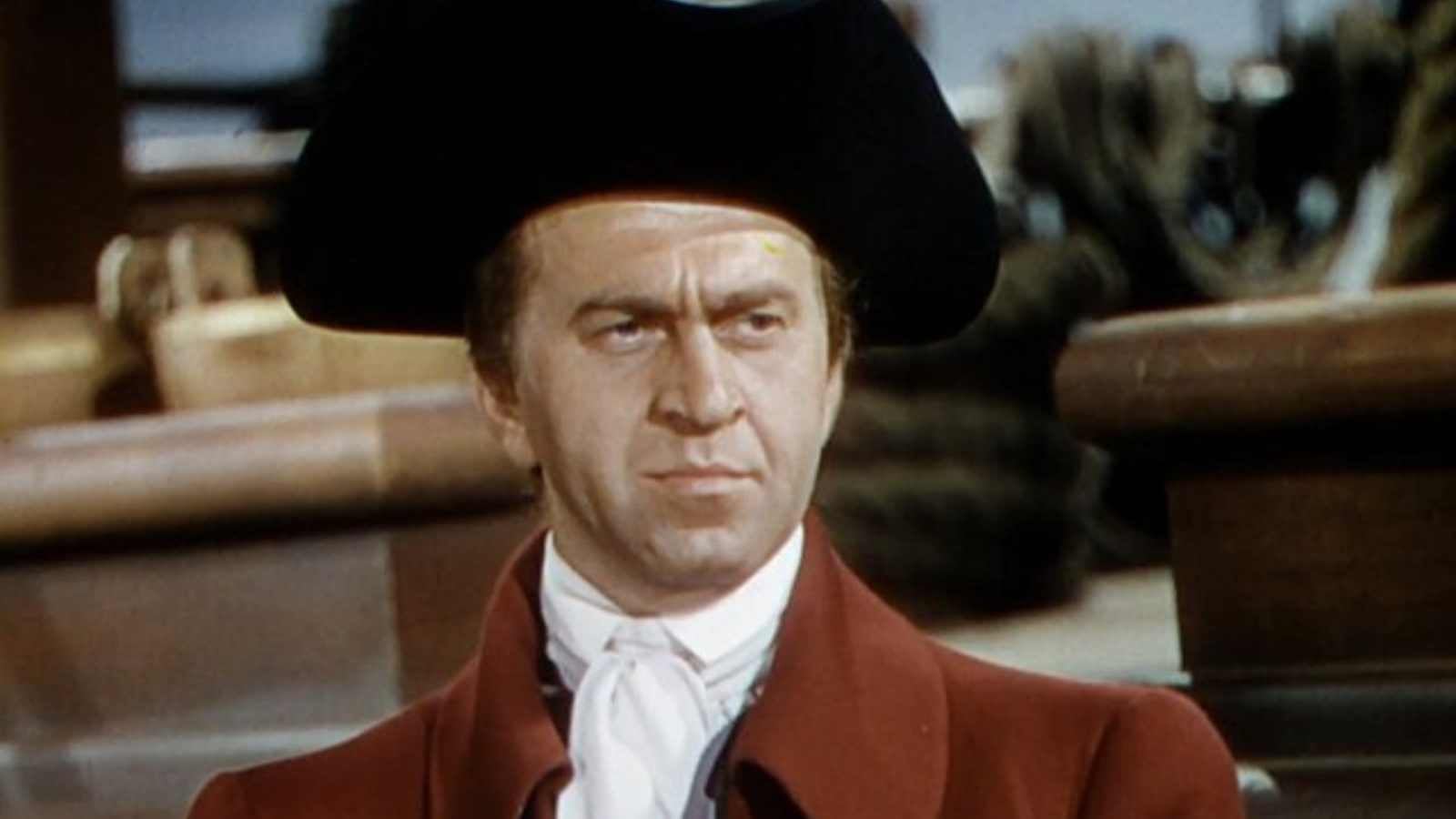
Howard Da Silva’s career was greatly affected by accusations of communist ties, even though the claims were never proven. Once a successful actor in films like The Lost Weekend, Da Silva found himself blacklisted when one false accusation stuck.
His roles disappeared, and he was forced to turn to theater to support himself. However, he eventually found success in the Broadway production of 1776. Da Silva’s experience shows how a single accusation could derail a promising career and change the trajectory of an actor’s life forever.
Conclusion
The stories of blacklisted actors reveal a hidden side of Hollywood’s history, one shaped by fear, power, and control. These actors were discarded not because of their lack of talent, but because they refused to conform to the political and racial expectations of the time. While some fought back and rebuilt their careers, others were lost to history, their contributions erased by the silent power of the blacklist. Today, we remember their stories not just as a reminder of Hollywood’s past, but as a warning of the dangers of censorship and the importance of standing up for what is right.