Nobody boarded the MV Hondius expecting to become part of an international health investigation. It was a cruise ship. It had a route. And then, somewhere between Argentina and the Canary Islands, something went very wrong.
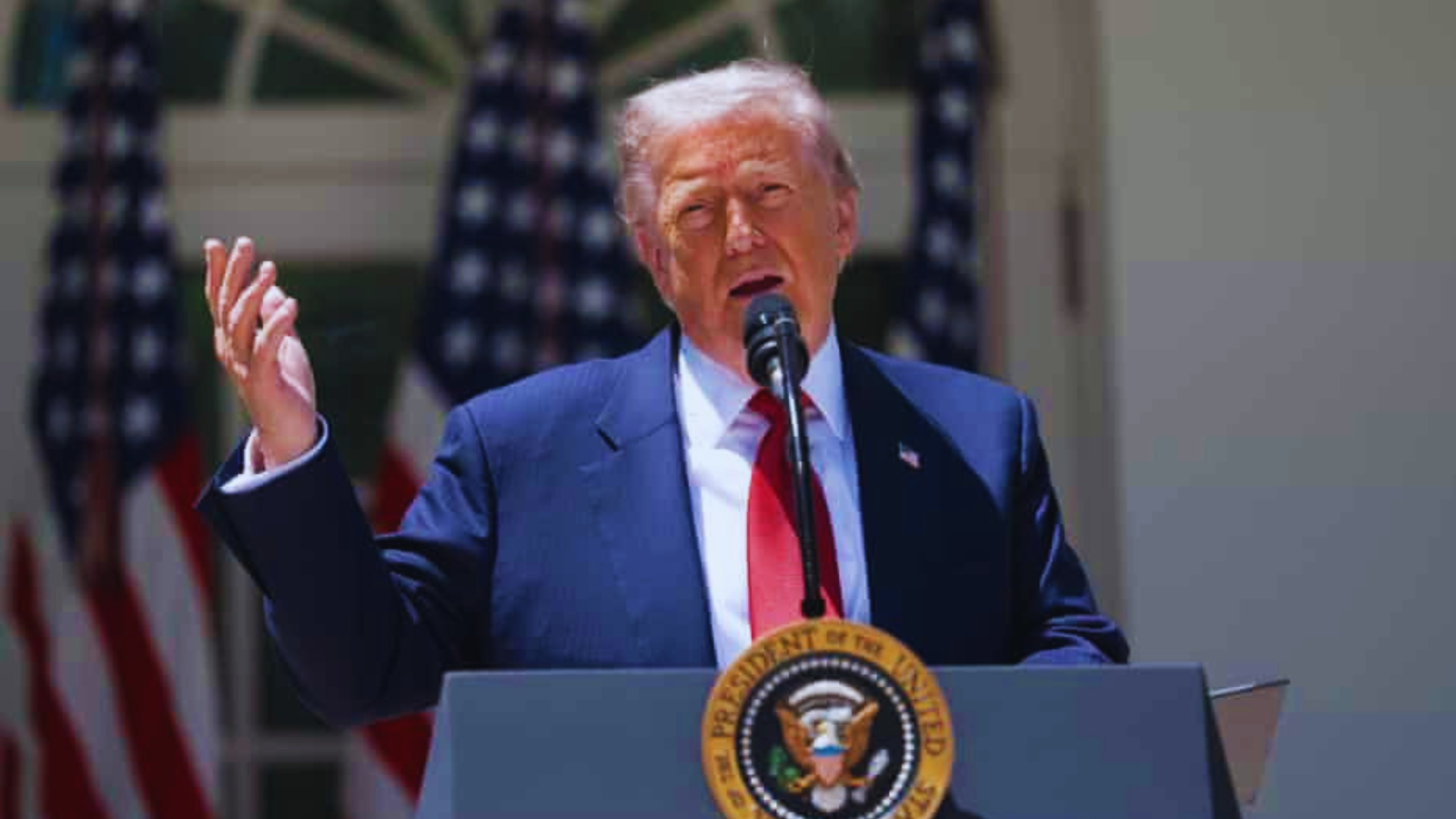
A cluster of hantavirus cases has now been traced back to that voyage, with cases surfacing across multiple countries and three people already dead. President Donald Trump addressed reporters on May 7 and 8, confirming he had been, saying the situation is under control, and that Americans should not panic. His message was essentially: we hope it’ll be fine, we have great people on it, and a full report is coming.
That is a lot of hope carrying a lot of weight.
The Geography of a Controlled Cluster
The MV Hondius left Ushuaia, Argentina, on March 20 and was sailing toward the Canary Islands. That is already a journey that covers a wide stretch of the globe, and the problem is that by the time anyone sounded the alarm, the ship had already made a stop. On April 24, dozens of passengers disembarked on the remote island of St. Helena before the virus was officially flagged by onboard medical staff or any international authority. That timing is what makes this complicated.
The Africa CDC and the World Health Organization have been in high gear since early May, tracking every passenger movement they can piece together. Current data puts confirmed cases at somewhere between 7 and 8, with at least 1 patient in critical condition. The fluctuating numbers are due to the time required for lab confirmation, so agencies are often working from initial reports that haven’t yet cleared verification.
Twelve countries have already been notified of potential exposure.
What makes this particular outbreak worth paying close attention to is the specific strain involved: the Andes variant of hantavirus. Most people familiar with hantavirus know it as something you catch from rodents, specifically through contact with infected droppings or urine in rural environments.
The Andes strain is different. It is one of the few known hantavirus variants that can be transmitted from person to person. That single fact is why health officials are not treating this like a standard environmental exposure case from New Mexico.
Reassurance as a Political Brand
Trump’s public comments on this have been very Trump. He confirmed to reporters that he had been briefed, said his administration has “a lot of people, a lot of great people” studying the situation, and described it as very much under control.
He used the phrase “we hope” several times when qualifying his statements about the virus not spreading further. There is something to be said about a president who has turned executive optimism into its own communication strategy, and this moment is a clear example of that brand at work.
What that style does is keep the president adjacent to the story without being too embedded in the technical details. He is not claiming to understand the epidemiology. He is not promising a specific outcome. He is projecting calm and pointing to his team. It works for a section of the audience that finds stability in executive confidence. For another section, the gap between “we hope” and “we know” is where all the anxiety lives.
The promised full report has not yet been released, and as of early May, the investigation is still ongoing.
The Statistical Reality of Rare Disease
Here is the context that makes the fatality data hit differently. Between 1993 and late 2023, the CDC recorded only 890 laboratory-confirmed hantavirus cases nationwide. That is nearly three decades of surveillance data producing fewer than 900 cases. For reference, most Americans go their whole lives without encountering a single confirmed case in their social circle.
Hantavirus has historically been concentrated in states like New Mexico and Colorado, linked to rural exposure and environmental contact with infected rodents. It is not something most people in cities even think about. And yet, here we are watching a cruise ship voyage become an international investigation that has health agencies across multiple continents on alert.
The fatality rate for hantavirus historically sits above 34 percent in the United States. With three deaths already reported from this cluster alone and a case count still being confirmed, that figure is doing a lot of quiet, sobering work in the background of Trump’s reassurances.
The WHO and the Africa CDC are both careful to frame this as a contained, cruise ship-linked cluster rather than the start of something larger. But the Andes strain’s person-to-person capability means containment requires tracing every single passenger who walked off that ship at every port.
Waiting for the Full Report
The investigation is now into its second week of high-level international monitoring. Contact tracers are currently working across borders to map secondary transmissions and determine whether any infections occurred after disembarkation. That is the phase where things can either stay contained or start to widen, and right now, nobody outside the agencies tracking this has full visibility into what those numbers look like.
Trump’s promise of a comprehensive disclosure is still pending. Until that report comes, the public is sitting between two narratives: the White House’s posture of calibrated reassurance and the more measured, detail-focused updates coming from the Africa CDC and the WHO. Those are two different registers, and the gap between them is where most of the public’s questions are currently living.
What this whole situation keeps bringing back to me is how connected everything actually is. A ship departs from the southern tip of Argentina, stops at a remote island in the middle of the Atlantic, and within weeks, 12 countries are on notification lists, and the American president is fielding questions about it.
The MV Hondius is no longer just a cruise ship. It is a case study in how quickly something can spread and how much it depends on the people paid to catch it before it spreads further.