
In the golden age of prestige television, we often treat show runners like infallible architects and actors like the willing vessels of high art. But even the most celebrated series in television history have suffered from the occasional “swing and a miss“, those plot points so jarring, nonsensical, or downright uncomfortable that they leave a permanent stain on a show’s legacy.
While fans are usually the first to voice their displeasure on Reddit threads and social media, there is a rare, refreshing brand of honesty that occurs when the creators and stars themselves step forward to admit: “Yeah, we missed the mark on that one.” Whether it is a supernatural twist that felt out of place in a medical drama or a finale that left a bitter taste in the mouths of millions, the entertainment industry is littered with creative choices that seemed like a good idea in the writers’ room but proved disastrous on screen.
1. The Seinfeld Finale: A Cold Cell for a Hot Comedy
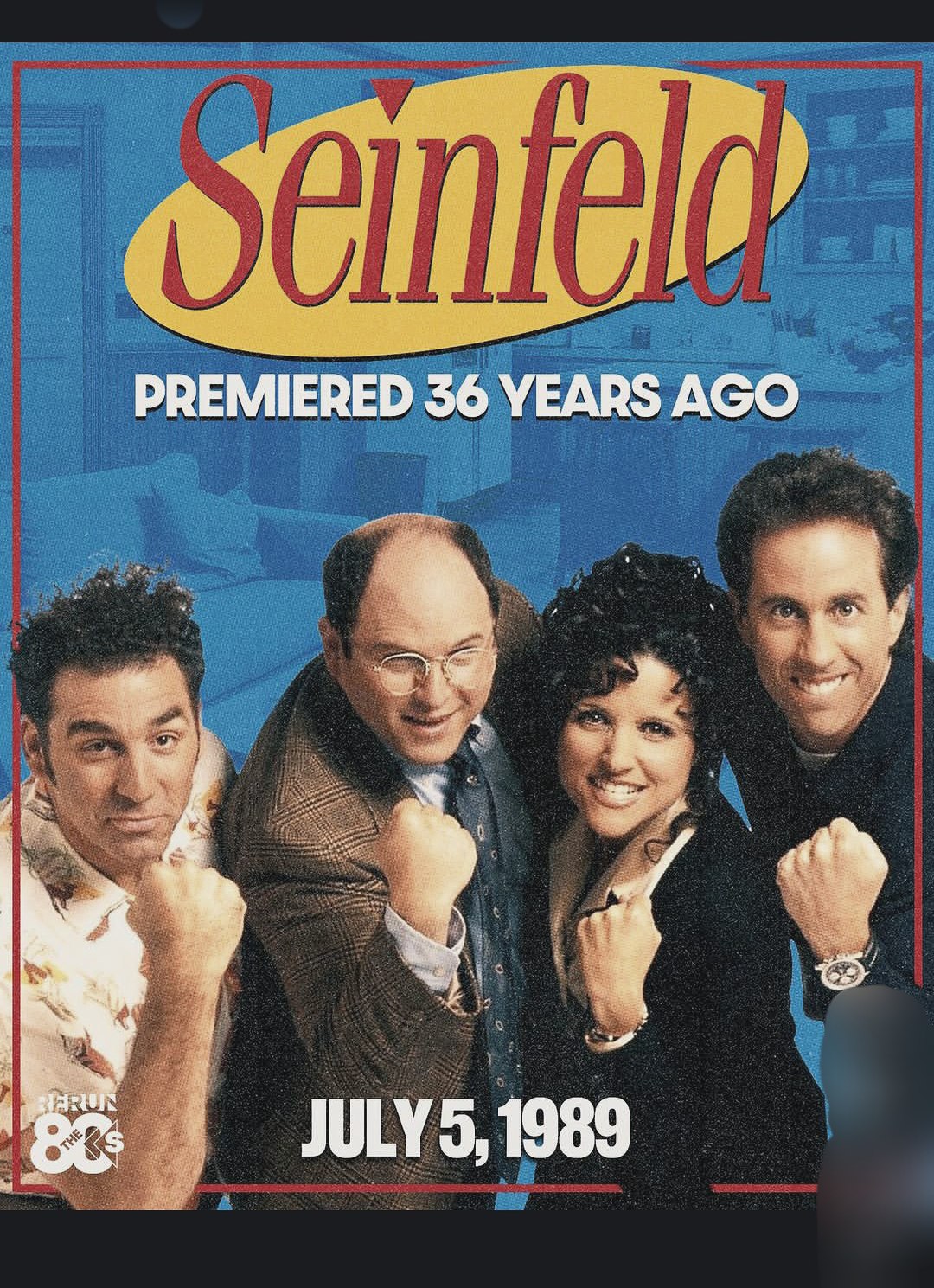
The 1998 finale of Seinfeld remains the gold standard for divisive television endings. After nine seasons of “no hugging, no learning,” Larry David returned to pen a finale that saw Jerry, George, Elaine, and Kramer stand trial for their collective apathy, ultimately landing in a jail cell. While Jerry Seinfeld has spent decades defending the show’s creative integrity, he recently allowed a crack in that armor.
Speaking with GQ, Seinfeld offered a nuanced perspective on the concept of regret, though he admitted the ending still nags at him. “I don’t believe in regret,” he told the magazine. “I think it’s arrogant to think you could have done something different. You couldn’t. That’s why you did what you did.” It is a philosophical stance that protects the artist’s journey, yet Seinfeld revealed that during a brainstorming session with writer Jeff Schaffer and co-creator Larry David, they pinpointed the exact moment they’d reconsider.
“It was obviously about the final scene, leaving them in the jail cell,” he admitted. The choice to literalize the characters’ moral imprisonment felt, to many fans, like a betrayal of the show’s lighthearted nihilism.
2. Grey’s Anatomy: The Ghost Sex Saga
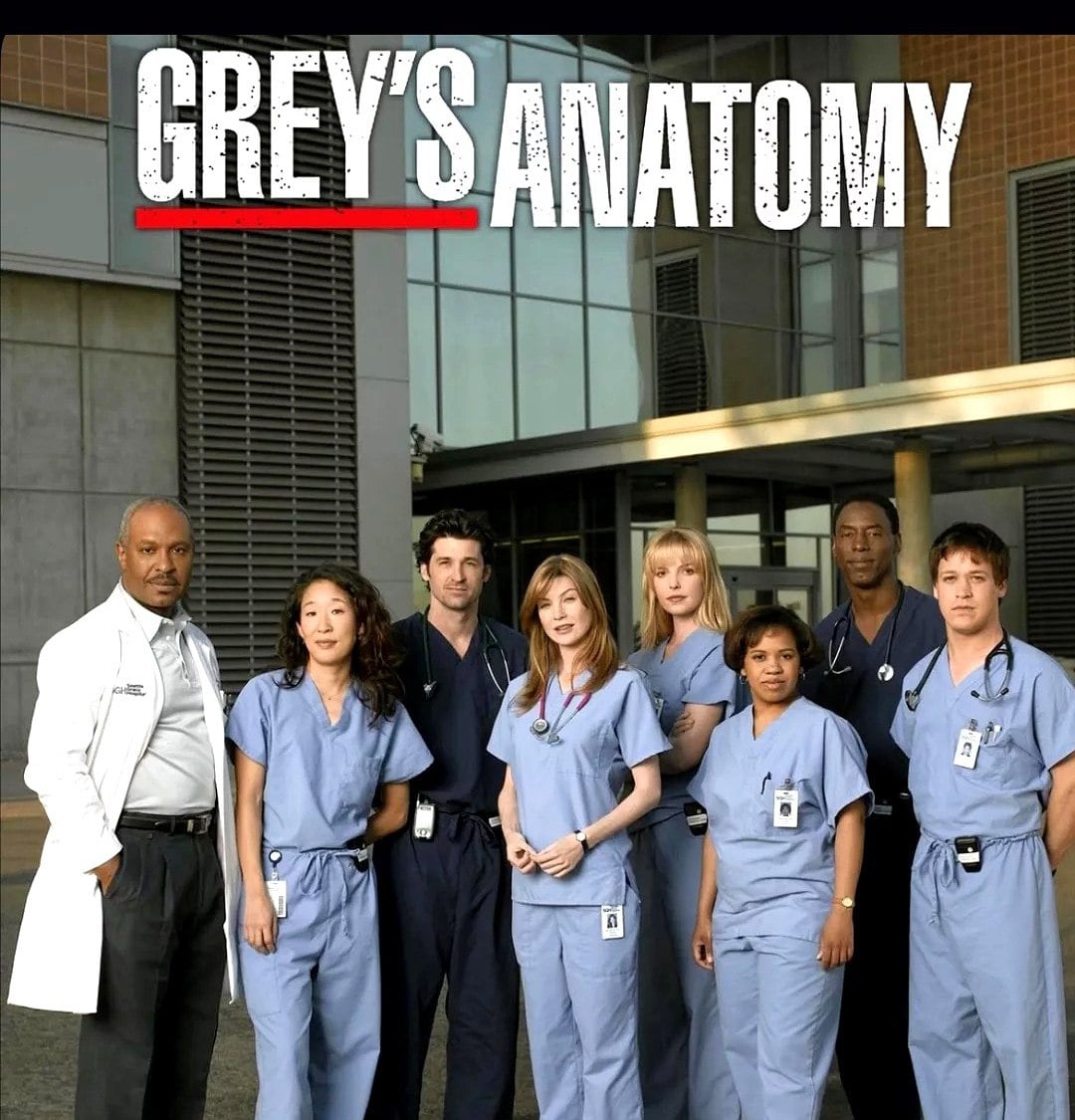
While Seinfeld dealt with structural choices, Grey’s Anatomy ventured into the “cringe-worthy” territory of the supernatural. One of the most infamous storylines in the show’s 20-season run involved Izzie Stevens (Katherine Heigl) having a physical relationship with the “ghost” of her deceased fiancé, Denny Duquette (Jeffrey Dean Morgan). As it turns out, the actors were just as baffled as the viewers.
“I don’t know that anybody thought that was working when we were doing it,” Morgan recently admitted, reflecting on the Season 5 plot. Heigl was even more blunt, labeling the concept “awkward.” While the show eventually explained the hauntings as a symptom of Izzie’s brain tumor, the journey to that revelation involved scenes that have lived on in infamy, specifically, a scene where Izzie is intimate with a man only she can see. Heigl has been famously vocal about her issues with the show’s writing in the past, but her reflections on the “Ghost Denny” era are particularly pointed.
“There’s one particular scene that I will not watch with my children ever,” she said, referencing a moment where Justin Chambers’ character, Alex Karev, is being intimate with Izzie while “Ghost Denny” stands in the room watching. “I was just sort of at the time like, ‘This is what the money’s for, right?'” she quipped, highlighting the professional detachment actors sometimes need to survive questionable scripts.
3. Pretty Little Liars: The Du-Rag Flashback Faux Pas

Pretty Little Liars was a show built on mysteries, but one of its greatest “whodunits” was why the production team thought a certain flashback scene would work. I. Marlene King, the show’s creator, has generally defended the show’s convoluted plot twists, but she did admit to one specific regret regarding a flashback between Alison (Sasha Pieterse) and Toby (Keegan Allen). In the scene, which has become an internet meme, Toby is seen wearing a du-rag while in juvenile detention.
Fans have long mocked the scene for its questionable styling and the fact that the actors looked far too old to be playing their younger selves. King admitted, “In hindsight, we probably should’ve hired younger actors to play in that scene. That’s a thing we probably could’ve done a better job with.” However, fans would argue that the age of the actors was the least of the scene’s problems. The “Toby du-rag” moment has become a staple of “unintentional comedy” in TV history.
The sting of the Seinfeld finale or the absurdity of PLL flashbacks is a topic that surfaces every few years, often linked to the show’s enduring popularity on streaming platforms. Because these shows remain cultural touchstones, new generations of viewers are discovering the missteps for the first time, reigniting the debate over whether these were brilliant meta-commentaries or lazy choices.
Seinfeld’s recent comments suggest that even he sees the visual of the foursome behind bars as perhaps a step too far into the bleak. This level of reflection is rare for Seinfeld, who usually maintains a “love it or leave it” attitude toward his work. However, the legacy of the finale was so potent that Larry David eventually staged a “redo” of sorts during the seventh season of Curb Your Enthusiasm, where the Seinfeld cast reunited to film a fictionalized, more satisfying finale within the show.
When analyzing why these moments keep resurfacing in pop culture discourse, one has to look at the sheer scale of the events. With millions of eyes on a single piece of content, the pressure to deliver “perfect” logic is astronomical. These admissions don’t necessarily mean the shows were bad, but rather that the creators acknowledge the visual, whether it’s four friends in a cell or an actor in a du-rag, might have been the wrong note.
4. Pretty Little Liars: The Time-Jump Breakups

I. Marlene King also touched upon another regret regarding Pretty Little Liars: the mass breakup of all the show’s core “ships” during the five-year time jump. “I wouldn’t have broken up all of the couples… I would have kept at least one couple together,” she confessed. This admission strikes at the heart of fan culture. In the world of “shipping,” where viewers are deeply invested in specific romantic pairings, breaking up every single couple for the sake of “drama” can feel like a cheap ploy.
The most notable example was the breakup of Hanna and Caleb, followed by Caleb’s brief and controversial relationship with Spencer. King called the Hanna/Caleb breakup the most heartbreaking scene she ever written, yet she was the one who pulled the trigger on it. This “regret” highlights the tension between creative evolution and fan service. Show runners often feel the need to shake things up to maintain tension, but in the case of PLL, it felt like a reset button that ignored years of character development.
5. Lost: The Nikki and Paolo Disaster

No discussion of TV regrets is complete without Lost. The show was a pioneer in many ways, but it also famously struggled with its “background” characters. In Season 3, the writers introduced Nikki and Paolo, two survivors who had supposedly been there the whole time but were only just getting screen time. The audience’s reaction was swift and brutal: they hated them.
The characters felt like “fillers” in an already complex mystery, and their storyline, centered on stolen diamonds, felt low-stakes compared to the island’s smoke monsters. The backlash was so intense that the writers notoriously killed them off in the most gruesome way possible: burying them alive while they were paralyzed but conscious. Showrunner Damon Lindelof later admitted they felt the characters “weren’t right” about a month before fans even started complaining.
6. Lost: Kate Austen’s Diminished Agency
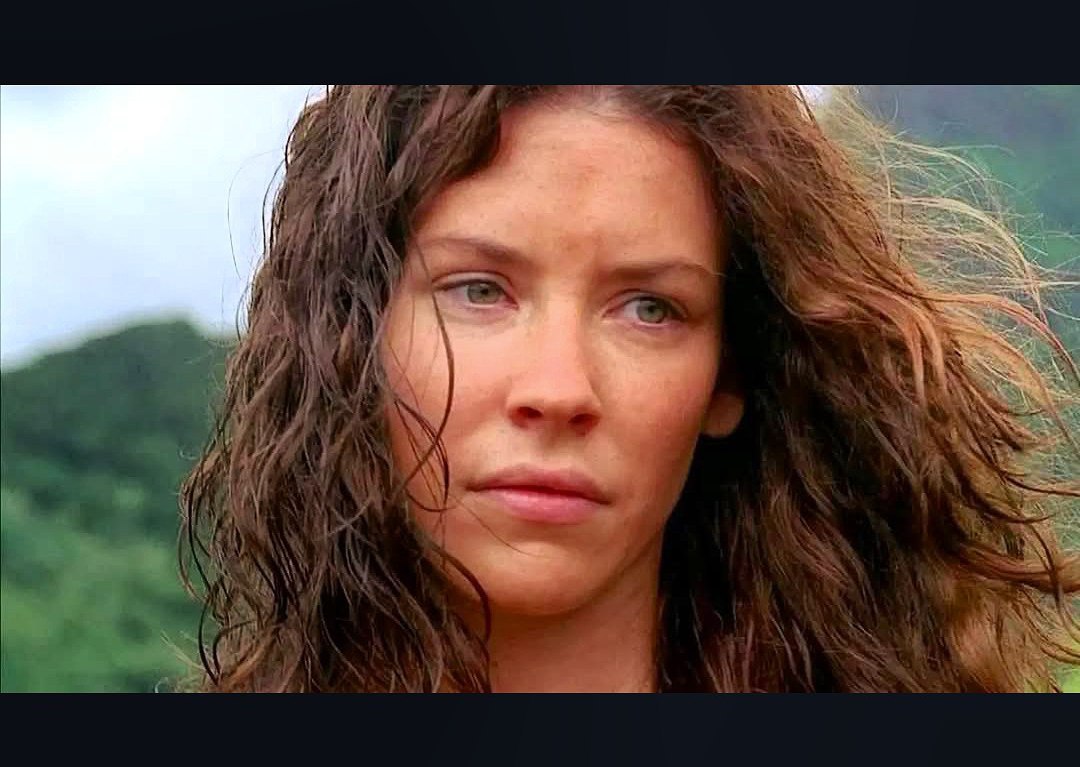
But it wasn’t just the “new” characters that caused friction on the island. Evangeline Lilly, who played the female lead Kate Austen, has been incredibly vocal about her disdain for Kate’s trajectory. She felt her character, who started as a capable fugitive, was reduced to a woman “chasing men around the island.” Lilly admitted that by Season 3, the writing “irritated the shit out of me.”
This is a classic example of “celebrity scrutiny,” where the actress feels the character is being betrayed by the narrative. Lilly’s frustration is echoed by fans who saw Kate’s agency stripped away in favor of a tired love triangle between Jack and Sawyer. She later stated, “I wanted her to be better because she was an icon for strength… It was just [mock gasps] ‘Jack!’ ‘Sawyer!'”
The legacy of Lost is one of brilliance marred by “convoluted” later seasons. The introduction of Nikki and Paolo remains the textbook example of how not to introduce new characters into an established ensemble. Midway through the broader context of the show’s run, the writers realized they had made a mistake in trying to make the “other” 35 survivors relevant through a forced diamond-heist plot. For the actors involved, like Lilly, the regret wasn’t just about a specific scene but a long-term erosion of character integrity.
Lilly has since reflected on her early performance as well, noting she felt she wasn’t “very good” until Season 3, but the writing for her character only seemed to decline as her acting improved. This disconnect between a performer’s growth and a character’s stagnation is a common industry grievance. It highlights a common issue in long-running procedurals: in an attempt to keep things fresh, they often alienate the very qualities that made the character an “icon” to begin with.
7. Lost: The Michael and Walt Kidnapping Controversy
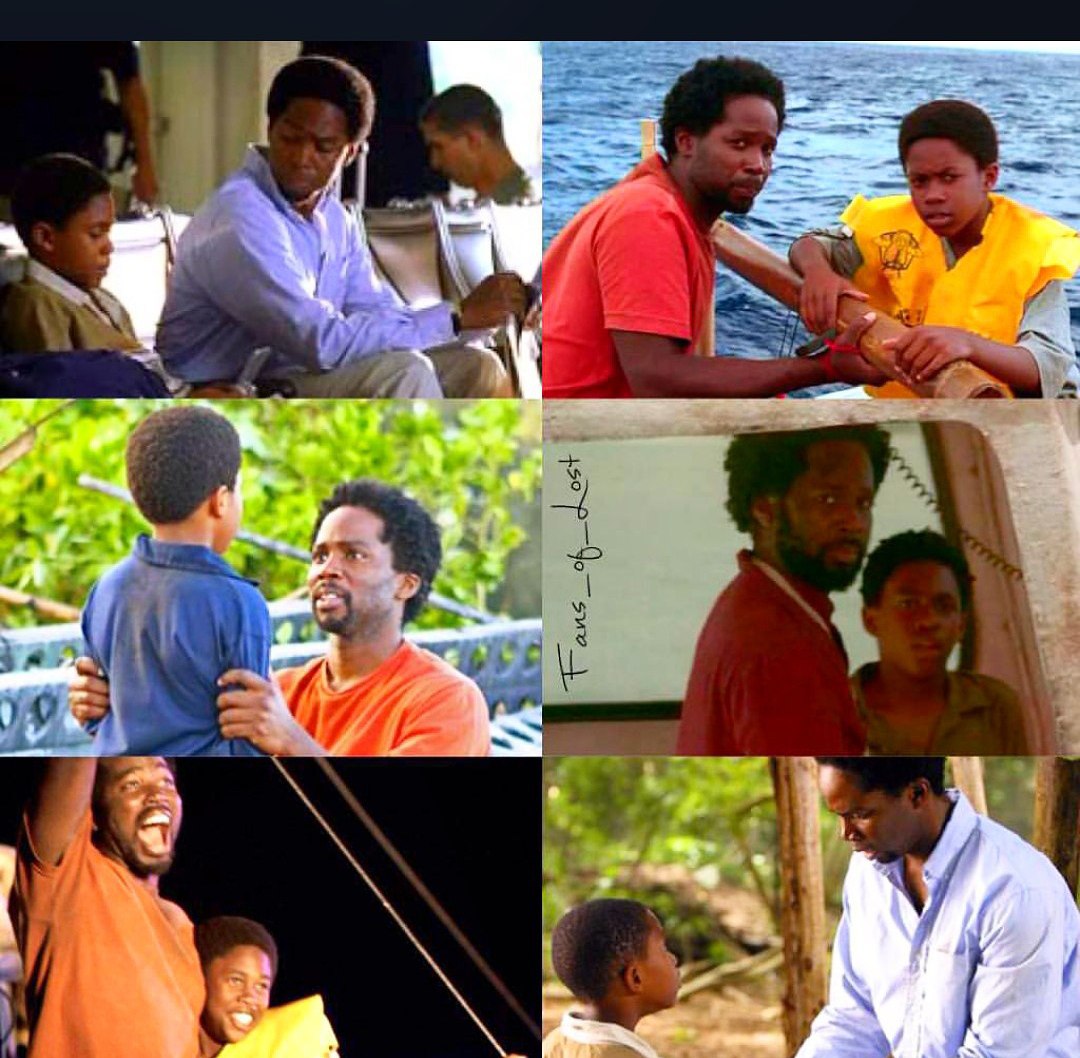
Furthermore, Harold Perrineau, who played Michael Dawson, offered a more serious critique of Lost’s handling of race and character priority. Perrineau was frustrated that his character’s primary motivation was reduced to shouting “Walt!” after his son was kidnapped. He felt the white characters were given “meatier” storylines while he was relegated to being a “token.”
In recent years, Perrineau has revealed he originally pushed back against a Season 2 script where Michael barely asked about his missing son. “I can’t be another person who doesn’t care about missing Black boys, even in the context of fiction,” he recalled saying. The relationship with showrunners soured, and Michael was written off after killing two innocent characters to save his son, a plot Perrineau felt was a betrayal.
8. Dexter: The Deb and Dexter Romance
It’s always vindicating when a star hates a TV storyline as much as the viewers did. One prime example? When Deb (Jennifer Carpenter) admitted her romantic feelings for her adoptive brother Dexter (Michael C. Hall) on Dexter. Fans were almost universally repulsed by the incestuous undertones, and as it turns out, Carpenter was no fan either.
At a recent fan event in late 2025, when asked about a plotline she’d like to change, she quipped, “I’ve got one. Can you guess? When they said that the adopted brother was her new love interest?!” The audience erupted in applause. While showrunner Scott Buck defended the choice at the time, Carpenter’s candidness years later proves that the discomfort was shared on both sides of the camera.
9. Game of Thrones: The “Cold Turkey” Finale

Finally, we have the ending of Game of Thrones, which remains one of the most disappointing show endings of all time for millions. The show’s co-creators, David Benioff and D.B. Weiss, have acknowledged the massive backlash but ultimately decided to go “cold turkey” on internet commentary to protect their peace. “You can get so bogged down in public opinion that you spend your whole life googling things,” Benioff told The Hollywood Reporter in early 2024.
While they haven’t explicitly apologized for the major plot points, like Bran becoming King, they did admit to one minor regret: not bringing back a minor Season 1 character, Mord the Jailer. “It was a mistake not bringing Mord the Jailer back into it,” Weiss joked. While a joke to them, for fans, the lack of regret over the rushed final season remains a sticking point in the show’s legacy.
The cultural tie-in here involves the “social media speculation cycles” that fueled these shows. For Dexter, the “Deb loves Dex” plot was a desperate attempt to add shock value to a show that was losing its edge. For Game of Thrones, the rush to finish the story led to a global outcry that the creators essentially chose to ignore. This highlights a shift in how creators handle feedback.
While the Lost writers famously engaged with fans (and then killed off Nikki and Paolo in response to hate), the GoT creators opted for total isolation. Both approaches have their pitfalls, but they both stem from the same reality: in the age of the internet, you can’t please everyone. As we look at these nine examples, a pattern emerges: the most regretted storylines are those that prioritize “shock” over character consistency. Whether it’s ghost sex, du-rags, or “brotherly love,” these moments serve as a reminder that even the biggest stars are sometimes just as embarrassed as we are.