A Colorado home listed for $215,280 comes with three bedrooms, two bathrooms, nearly half an acre of land, and one unusually blunt warning for buyers: they cannot enter it before purchasing.
The property at 408 Garfield Ave. in Nunn is being sold occupied, sight unseen, and with no property access for inspections or showings. The listing says the buyer must accept the home in its current, unknown condition and take responsibility for obtaining possession after closing.
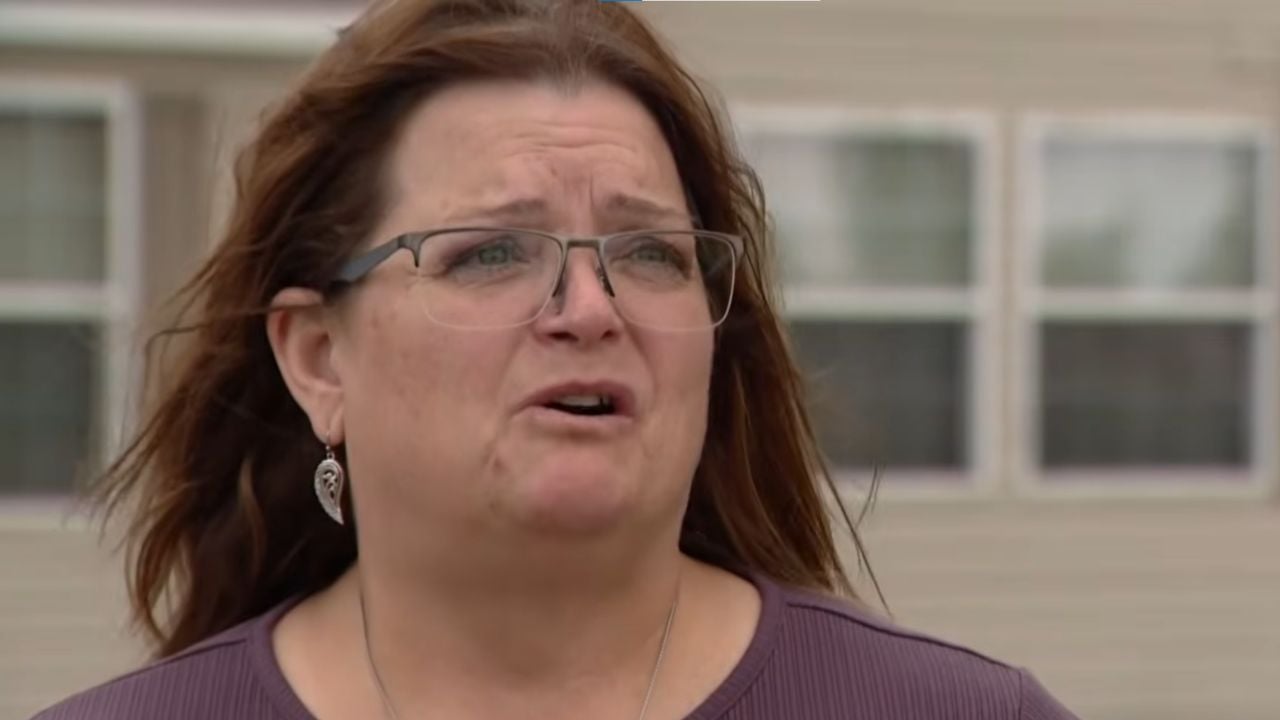
Tori McMechan, who lives in the home, told 9NEWS that she has lived there since 2006 and does not intend to leave willingly.
The listing has turned a foreclosure dispute into a buyer-beware story about what someone actually purchases when a home is sold with occupants still inside and no inspection allowed.
The Listing Says Buyers Cannot Enter the Home
Zillow lists the home as a 2,040-square-foot single-family residence with three bedrooms, two bathrooms, and a 0.48-acre lot. The price was cut by $18,720 on July 21, bringing the listing to $215,280.
The listing says the home is being sold “occupied/sight-unseen/no access,” with no showings, no inspections, no trespassing, and no disturbance of the occupants. It also says the listing agent has never been inside and cannot speak to the condition of the property, mechanical systems, appliances, or contents.
The listing also says the occupants do not pay rent and that the property is not being sold as an income-producing rental. A buyer would be purchasing the house with the occupants in place and would be responsible for obtaining possession after closing.
McMechan Says She Has Lived There Since 2006
McMechan told 9NEWS that she has lived in the Nunn home since 2006. She said the dispute began after her husband died and that the lender would not work with her as the surviving spouse because the loan was in his name.
Court records show that McMechan’s late husband obtained the mortgage loan in 2006 and signed the promissory note, while both spouses signed the deed of trust. The Colorado Court of Appeals said the note and deed of trust later went through a series of assignments and eventually reached Deutsche Bank.
The same appellate record says monthly payments stopped around 2010 and the loan went into default. McMechan has challenged Deutsche Bank’s ability to foreclose, arguing that the bank did not have proper rights in the loan documents.
The Foreclosure Fight Has Already Reached Appeals
Deutsche Bank initiated a judicial foreclosure in 2022, and a district court authorized the property’s sale in September 2023. McMechan later filed lawsuits seeking to stop the foreclosure and challenging Deutsche Bank’s rights in the note and deed of trust.
One Colorado Court of Appeals decision affirmed the dismissal of McMechan’s first lawsuit. The panel said it found no basis to reverse the dismissal based on the arguments she raised on appeal.
A separate appellate panel reversed the dismissal of her second lawsuit because the district court had applied claim and issue preclusion before the first case had become final. That ruling addressed a procedural issue and said the court was not expressing any view on the merits of McMechan’s claims.
A Buyer Would Also Be Buying the Possession Problem
The sale price is only one part of the risk. A buyer would not be able to inspect the interior, verify the condition of the systems, check for damage, confirm what is inside, or know how much repair work might be needed after gaining possession.
The possession issue is separate from the physical condition. McMechan told 9NEWS she plans to stay, and the listing does not promise how long it would take, how much it would cost, or what legal steps would be required for a buyer to obtain possession.
For ordinary buyers, that is a very different transaction from buying a vacant home after an inspection. It is closer to buying a legal and physical problem at the same time: title, access, condition, possession, court timing, and carrying costs all become part of the price.
Sight-Unseen Occupied Homes Need Extra Due Diligence
Anyone considering an occupied foreclosure or sight-unseen property should speak with a real estate attorney before making an offer. The buyer should understand what interest is actually being sold, whether title insurance is available, what the foreclosure status is, what possession process would apply, and what costs could continue while the occupant remains.
Buyers should also ask for the full purchase contract, title commitment, foreclosure documents, occupancy disclosures, property-tax records, insurance requirements, utility status, HOA or municipal issues, and any court records tied to possession or foreclosure. A low list price may not be a discount if the buyer inherits months of legal work, unknown repairs, unpaid carrying costs, or a difficult possession fight.