
A 76-year-old Ohio woman was preparing to hand over 80 gold bars worth approximately $400,000 when she contacted police instead. Westerville officers intercepted the planned collection and arrested the man who arrived to retrieve the precious metals.
That man, identified in Ohio court records as Ankush (No Last Name), pleaded guilty to attempted theft from a person in a protected class, a second-degree felony. The conviction followed an attempted handoff in April 2026.
Delaware County Judge Marianne T. Hemmeter imposed 180 days of non-reporting community control, to be served as a residential sanction in the county jail. Ankush received credit for 178 days already spent in custody, according to the court’s signed sentencing judgment.
The Woman Was Preparing to Surrender 80 Gold Bars
The woman had withdrawn a substantial amount of money from her bank and was instructed to convert it into gold, according to 10TV’s May 14 coverage. A criminal complaint filed April 20 identifies the alleged attempted offense as occurring on or about April 17 and describes the targeted precious metals as worth approximately $400,000.
Scammers Claimed to Represent Amazon, Banks and Police
The people targeting the woman claimed affiliations with Amazon, banking institutions, federal officials and the Westerville Police Department, according to The Westerville News, which reported Police Chief Holly Murchland’s account of the investigation in June.
The impersonations resemble the method described in an FBI warning about so-called “Phantom Hacker” scams. Criminals may pose as technology-support workers before transferring a victim to someone claiming to represent a bank or government agency. The targets are told their savings are in danger and may be directed to convert funds into precious metals for collection.
Murchland said Westerville police receive reports of suspected scams almost every week.
The Original Indictment Contained Two Felony Counts
An April 23 indictment charged Ankush with attempted theft from a person in a protected class, a second-degree felony, and attempted telecommunications fraud, a third-degree felony. Both counts described alleged conduct occurring on or about April 17. Prosecutors accused him of attempting to obtain an elderly woman’s gold through deception, with the theft count involving property valued at $150,000 or more.
The court later amended the defendant’s recorded name. In a July 15 order, Judge Hemmeter directed that he be identified as “Ankush (No Last Name),” also known as “Ankush Ankush.” The case continued under the same number, 26 CR I 04 0231, in Delaware County Common Pleas Court.
Ankush Pleaded Guilty and the Second Charge Was Dismissed
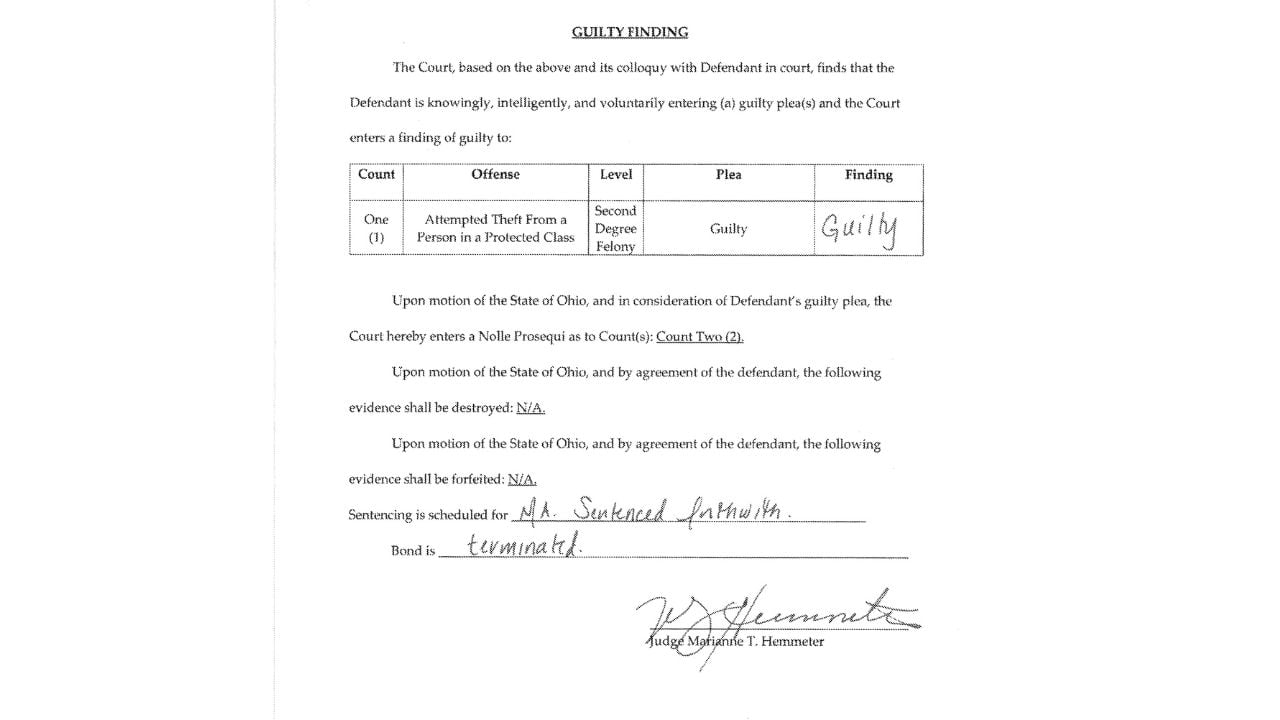
At an October 12 hearing, Ankush withdrew his not-guilty plea and admitted guilt to the attempted-theft count. A seven-page plea agreement filed the following day records the judge’s finding of guilt. As part of the agreement, prosecutors agreed to dismiss the attempted telecommunications fraud count, and the court entered that dismissal.
The plea paperwork listed potential state-prison exposure of up to 12 years for the second-degree felony. Rather than seek that term, the parties jointly recommended community control involving 180 days of local incarceration with credit for time already served. Judge Hemmeter accepted the recommended approach at sentencing.
A Judge Credited 178 Days Against a 180-Day Jail Term
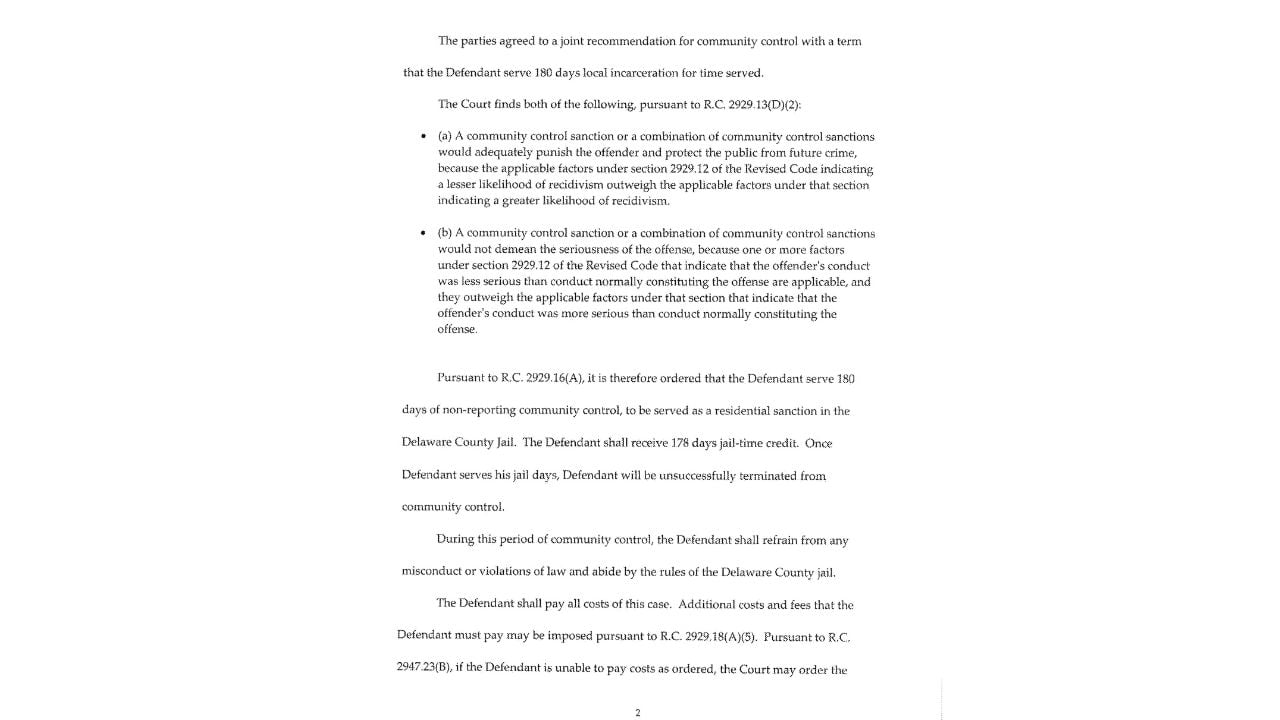
The signed sentencing order, filed October 14, specifies that the 180-day term of non-reporting community control was to be served as a residential sanction in the Delaware County Jail. The court awarded Ankush 178 days of jail-time credit, leaving two days of that term not covered by the credit.
The judgment also required Ankush to follow jail rules, refrain from further violations of the law and pay court costs. Judge Hemmeter specified that his community-control sanction would terminate once the jail days were served.
What to Do When Someone Demands Gold to Protect Your Savings
The Federal Trade Commission warns that legitimate government employees do not instruct people to purchase gold, withdraw cash or give valuables to couriers for safekeeping. Anyone receiving such a demand should end the contact and independently verify the claimed problem through their bank’s or the agency’s official website or published phone number.
People who have already purchased precious metals following suspicious instructions should stop before arranging a collection, preserve their receipts and communications, and contact local police. The Westerville Division of Police lists 614-882-7444 as its 24-hour nonemergency number. Suspected internet-enabled fraud can also be reported through IC3.gov or the FTC’s ReportFraud.ftc.gov.