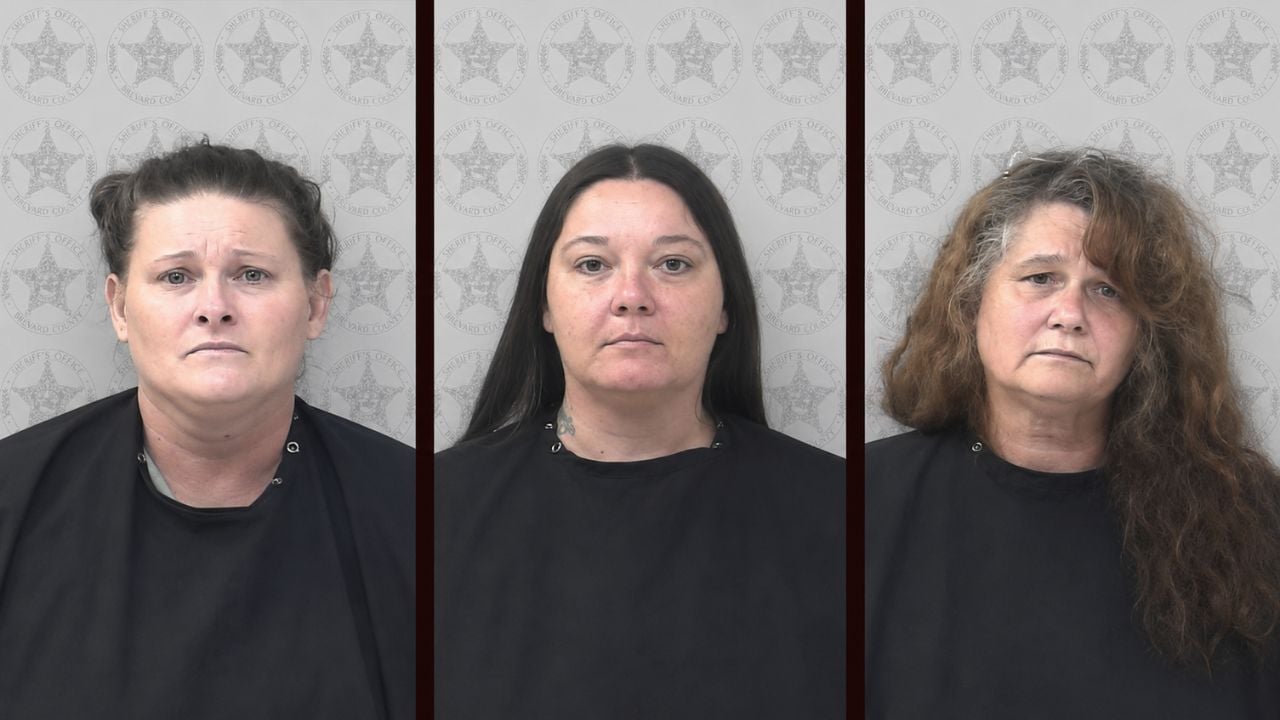
A Fort Pierce bookkeeper is accused of using trusted access to help drain nearly $7 million from a St. Lucie County business over seven years.
Laura Beth Grasso, 43, worked as the company’s bookkeeper and comptroller, according to the St. Lucie County Sheriff’s Office. Two other women, Sheri Lynn Harrs, 38, of Fort Pierce, and Tina Marie Mejia, 55, of Port St. Lucie, were also arrested in the case.
The available public reports did not list a plea, bond amount, defense response, or court outcome for any of the three women.
The Case Centers on a Bookkeeping Role
View this post on Instagram
WPBF reported that Grasso had worked inside the business’s financial operation as both bookkeeper and comptroller. Deputies said that access allowed her to initiate wire transfers from company bank accounts to third parties who were not supposed to receive the money.
Investigators described a seven-year scheme in which internal financial controls were allegedly bypassed again and again before the losses reached nearly $7 million.
According to investigators, Grasso allegedly bypassed established accounts payable procedures and initiated unauthorized manual wire transfers. Deputies say that access became the opening for a long-running financial scheme.
Payroll Payments Were Also Part of the Alleged Scheme
Investigators said Grasso worked with Harrs and Mejia to bypass payroll controls and issue duplicate payments. Deputies say those payments benefited themselves and one another.
The Sheriff’s Office said Grasso also provided additional payments and covered personal expenses for Harrs and Mejia. Investigators allege those payments were intended to keep them from reporting the activity.
The Spending Included Luxury Purchases and Vacations
Detectives said money obtained through the alleged scheme was spent on luxury vehicles, utility bills, lavish vacations, fine jewelry, designer accessories, and other personal expenses.
Those purchases became part of the public summary of how the stolen money was allegedly used. Deputies say the loss built over years through the same business systems that were supposed to manage payments and payroll.
The Charges Differ Between the Three Women
Grasso was arrested on charges of first-degree grand theft of $100,000 or more, organized fraud of $50,000 or more, conducting an enterprise through a pattern of racketeering activity, and money laundering of $100,000 or more.
Harrs and Mejia were each arrested on charges of first-degree grand theft of $100,000 or more, organized fraud of $50,000 or more, and conducting an enterprise through a pattern of racketeering activity.
The three women were arrested on July 16 after what the Sheriff’s Office described as a lengthy and complex investigation. Detectives are still reviewing financial records and following additional leads. The agency said more charges or arrests may be possible.
Trusted Financial Access Still Needs Independent Review
The Association of Certified Fraud Examiners warns that the absence of internal controls such as segregation of duties, approvals, authorizations, verification, and reconciliation can create conditions for payroll fraud and other internal theft.
Businesses can reduce risk by requiring two-person approval for manual wires, separating payroll entry from payroll approval, reviewing changes to employee payment records, reconciling bank accounts outside the bookkeeping role, and requiring owners or executives to review unusual payments directly.
Suspected internal theft should be reported to law enforcement and the company’s financial institution as quickly as possible. Businesses should also preserve accounting-system records, bank records, emails, devices, and access logs before changing permissions or confronting employees involved in the suspected fraud.