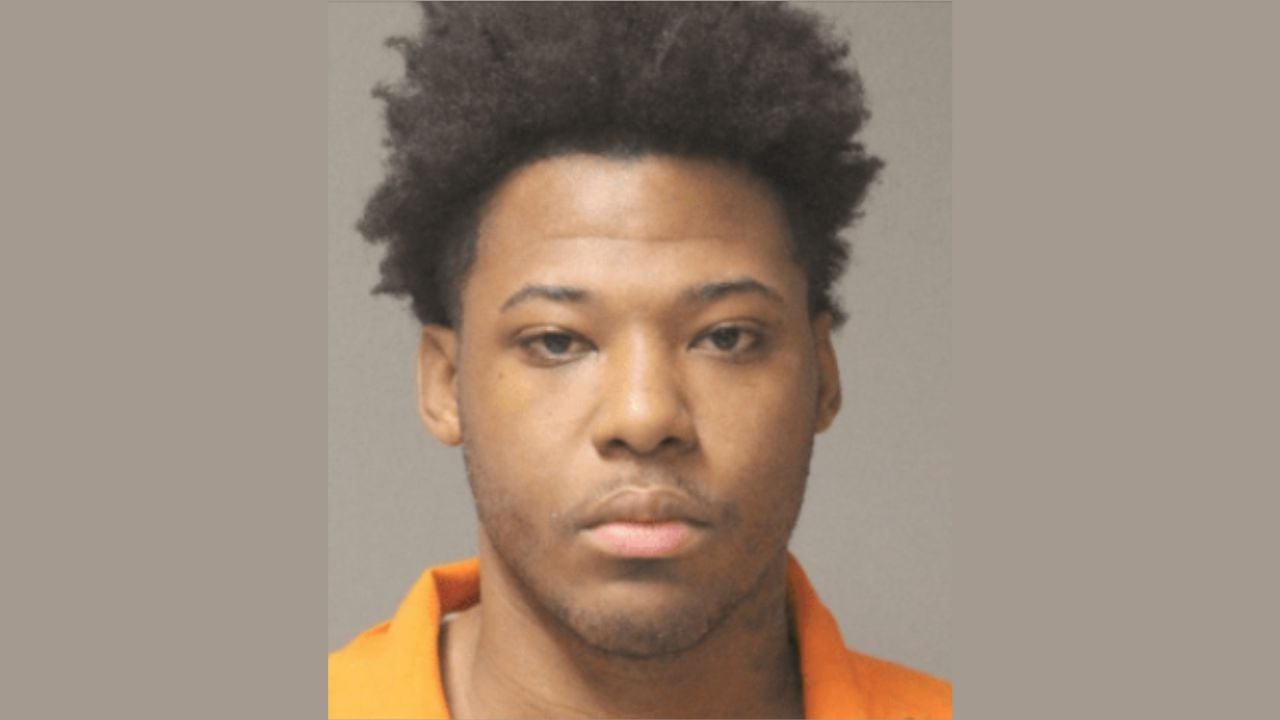
A Baton Rouge man who admitted using stolen mail, altered checks and fake bank text messages to steal money has been sentenced to four years in federal prison.
Marvell Trevenski Jackson Jr., 26, pleaded guilty in April to conspiracy to commit bank fraud and theft of mail. His schemes targeted customers and accounts at several federally insured banks and credit unions.
U.S. District Judge Brian A. Jackson sentenced him August 3 to 48 months in prison followed by three years of supervised release. Jackson was also ordered to pay $378,394 in restitution and forfeit $238,804.45 to the United States.
According to WVLA Baton Rouge reporting published by AOL and federal prosecutors, the conspiracy used multiple methods to reach victims’ money, including checks stolen from the mail, counterfeit checks, phishing text messages and money-mule accounts.
He Bought More Than $119,000 in Stolen Checks
Jackson admitted conspiring with others from at least July 2023 through May 2025 to defraud federally insured financial institutions. One part of the operation involved obtaining personal information and personal and business checks stolen from the U.S. mail.
Between July 1 and September 26, 2023, Jackson communicated with a co-conspirator who was a mail carrier in Denham Springs and arranged to purchase more than $119,000 worth of stolen checks, according to the U.S. Attorney’s Office for the Middle District of Louisiana.
Among them was a legitimate check originally written for $1,450. Members of the conspiracy altered that check so a money mule became the payee and changed the amount from $1,450 to $60,000.
The altered check was deposited at a Regions Bank in Baton Rouge. Prosecutors said the money was withdrawn before the bank detected the fraud, leaving Regions with a $60,000 loss.
More Than $270,000 in Checks Were Found at a Residence
Jackson did not rely solely on checks supplied by others. He admitted stealing mail himself from blue U.S. Postal Service collection boxes at the Florida Street post office in Baton Rouge.
During one incident around February 7, 2024, prosecutors said he took personal and business checks with a combined value of at least $20,378. Investigators later found those checks and others totaling more than $270,000 at a residence used by Jackson.
They also recovered tools and supplies needed to print counterfeit checks. Jackson and his co-conspirators obtained or attempted to obtain more than $500,000 by negotiating altered or counterfeit checks created with checks and financial information taken from stolen U.S. mail.
Fake Bank Texts Opened Another Route Into Victims’ Accounts
The conspiracy later expanded into what federal prosecutors described as “smishing,” or SMS phishing. Between April and May 2025, members of the operation sent fraudulent text messages to customers of Neighbors Federal Credit Union, Essential Federal Credit Union and First Guarantee Bank and Trust.
The messages falsely claimed that unauthorized transactions had occurred and directed customers to provide usernames, passwords and other confidential information needed to access their accounts. Some victims then received follow-up calls from people posing as bank employees.
Once victims supplied their information, members of the conspiracy used the credentials to access accounts and make unauthorized electronic transfers.
Jackson Recruited Money Mules Through Instagram
The stolen money needed somewhere to go. Jackson admitted recruiting people whose existing accounts, or newly opened accounts, could receive fraudulent transfers. Prosecutors said he advertised the operation through his Instagram account and recruited money mules to open accounts at financial institutions targeted by the scheme.
Once stolen funds arrived, the mules withdrew the money or transferred it again. They kept a portion and provided most of the proceeds to Jackson or other members of the conspiracy. The smishing operation was carried out in East Baton Rouge, Iberville and Livingston parishes and elsewhere.
He Was Ordered to Pay $378,394 in Restitution
Jackson pleaded guilty April 8 to conspiracy to commit bank fraud and theft of mail. Judge Jackson sentenced him August 3 to 48 months in federal prison and three years of supervised release, according to the U.S. Attorney’s Office.
The court also ordered Jackson to pay $378,394 in restitution and forfeit an additional $238,804.45 to the federal government. The U.S. Postal Service, East Baton Rouge Parish Sheriff’s Office, Livingston Parish Sheriff’s Office and Iberville Parish Sheriff’s Office investigated the case.
Protect Checks in the Mail and Treat Bank Texts as Unverified
For mailed checks, the U.S. Postal Inspection Service recommends depositing outgoing mail in a USPS blue collection box before its final scheduled pickup or taking it directly inside a post office. Mail should also be retrieved promptly. Someone expecting a check that does not arrive should contact the sender quickly.
Bank customers should treat unexpected texts about suspicious transactions as unverified even when the message appears to name their actual financial institution. The Federal Trade Commission advises consumers not to click links or respond to unexpected messages requesting passwords, account numbers or other sensitive information. Instead, contact the bank through its official app, website or the telephone number printed on the back of the payment card.
Anyone who already supplied login credentials should contact the financial institution immediately, change compromised passwords and review accounts for unauthorized transfers. Suspicious phishing texts can be forwarded to 7726, which spells SPAM, and reported to the FTC. Suspected theft from the U.S. mail can be reported to the U.S. Postal Inspection Service or by calling 1-877-876-2455.