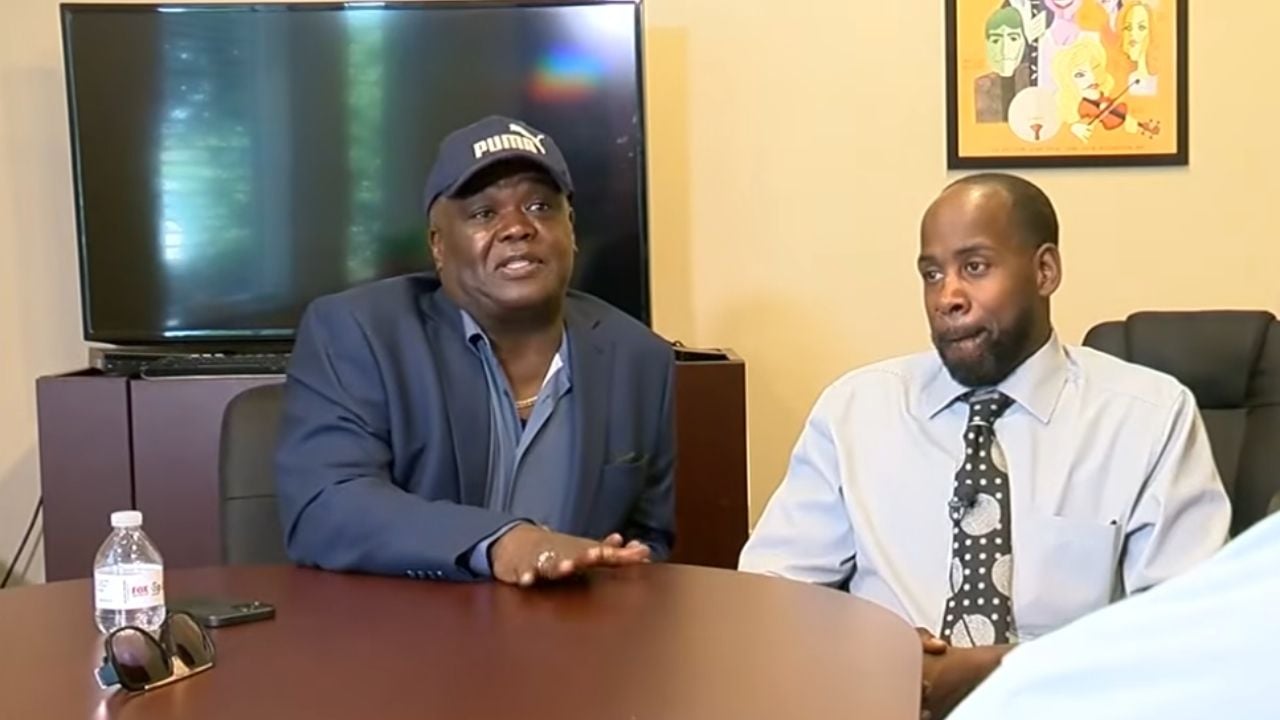
Two organizers of an anti-violence boxing event in Rochester are facing criminal charges months after fighters, event workers and vendors said checks they received after the show could not be cashed.
Clay Harris and Derick Gramling were arraigned Aug. 28 after a Monroe County grand jury indictment was unsealed. Both pleaded not guilty to charges including scheme to defraud, grand larceny and issuing bad checks.
The April 25 Boxing Extravaganza at Blue Cross Arena was promoted under the message “Gloves Up, Guns Down” and was intended to bring professional boxing back to Rochester while encouraging alternatives to gun violence.
Instead, the event ended with a six-figure financial shortfall and a series of payment disputes. Headliner Bryce Mills received a $30,000 check that did not clear, according to 13WHAM.
Fighters Said Their Checks Did Not Clear
The payment problems surfaced almost immediately after the event. Boxing manager J. Russell Peltz said shortly afterward that he had contacted roughly 11 of the 16 fighters and none had been paid at that point. Mills, one of the fighters he represented, had been promised $30,000 for the main event.
Mills deposited the check after the fight, but the payment was later reversed because of insufficient funds. Other fighters, officials and vendors also reported unpaid or bounced payments, while Blue Cross Arena said it was owed approximately $20,000.
The Event Left the Organizers With a Six-Figure Shortfall
Harris’ nonprofit partnered with Gramling’s Savage Life Promotions to stage the event. The organizers later blamed much of the financial collapse on attendance falling well below expectations. Earlier reporting placed the deficit at more than $100,000, while Harris and Gramling said in late August that outstanding debt associated with the show was approximately $150,000.
They also said they were working to reduce what was owed. Shortly before the indictment became public, Harris and Gramling told WROC that 14 of the 16 fighters had either been paid or had payment agreements in place.
The Indictment Contains Fraud, Larceny and Bad Check Charges
The criminal investigation followed a referral involving the New York State Athletic Commission, which had suspended Gramling’s promoter license after the payment problems surfaced.
The indictment includes two counts of scheme to defraud, three counts of third-degree grand larceny, one count of fourth-degree grand larceny, 10 counts of issuing a bad check and one count of petit larceny. Both Harris and Gramling pleaded not guilty to the charges.
Assistant District Attorney Caroline Rodriguez said prosecutors hope the case can result in money being recovered for people who were affected.
The Organizers Say There Was No Intent to Defraud Anyone
Harris and Gramling have argued publicly that the Boxing Extravaganza suffered a financial failure. Harris’ attorney, Teo Siguenza, said the dispute belongs in civil court and argued that there was no intent to enrich Harris at anyone else’s expense. He characterized the event as an undertaking that exceeded the organizers’ experience rather than a deliberately fraudulent operation.
Gramling has also maintained that the original checks were legitimate and that the financial problems arose after expected event revenue failed to materialize.
U.S. Marshals Arrested Harris After Prosecutors Say He Failed to Surrender
Prosecutors said Harris had been given opportunities to turn himself in but failed to do so. U.S. Marshals arrested him Aug. 27 in Kingston, New York. WROC reported that prosecutors said he had been expected to surrender as early as Aug. 7.
Gramling surrendered the following morning before the arraignment. Harris was released to pretrial services with GPS electronic monitoring, while Gramling was released under supervision. Both were ordered to remain in Monroe County and were scheduled to return to court the following week.
New York Requires Boxing Promoters to Carry Bonds Protecting Fighter Pay
The New York State Athletic Commission’s promoter licensing materials require a boxing or mixed martial arts promoter to maintain a $20,000 surety bond guaranteeing fighter purses, salaries of certain licensed employees and specified event expenses. A separate $10,000 bond guarantees compliance with state law and commission rules.
Vendors and event workers can likewise document agreed fees, payment deadlines and the legal entity responsible for payment before providing services. Contracts, invoices, copies of checks, bank return notices, emails and text messages should be preserved if a promised payment fails.
Anyone participating in a regulated professional boxing event in New York can contact the State Athletic Commission to verify a promoter’s licensing status and raise concerns about compensation or other regulatory requirements.