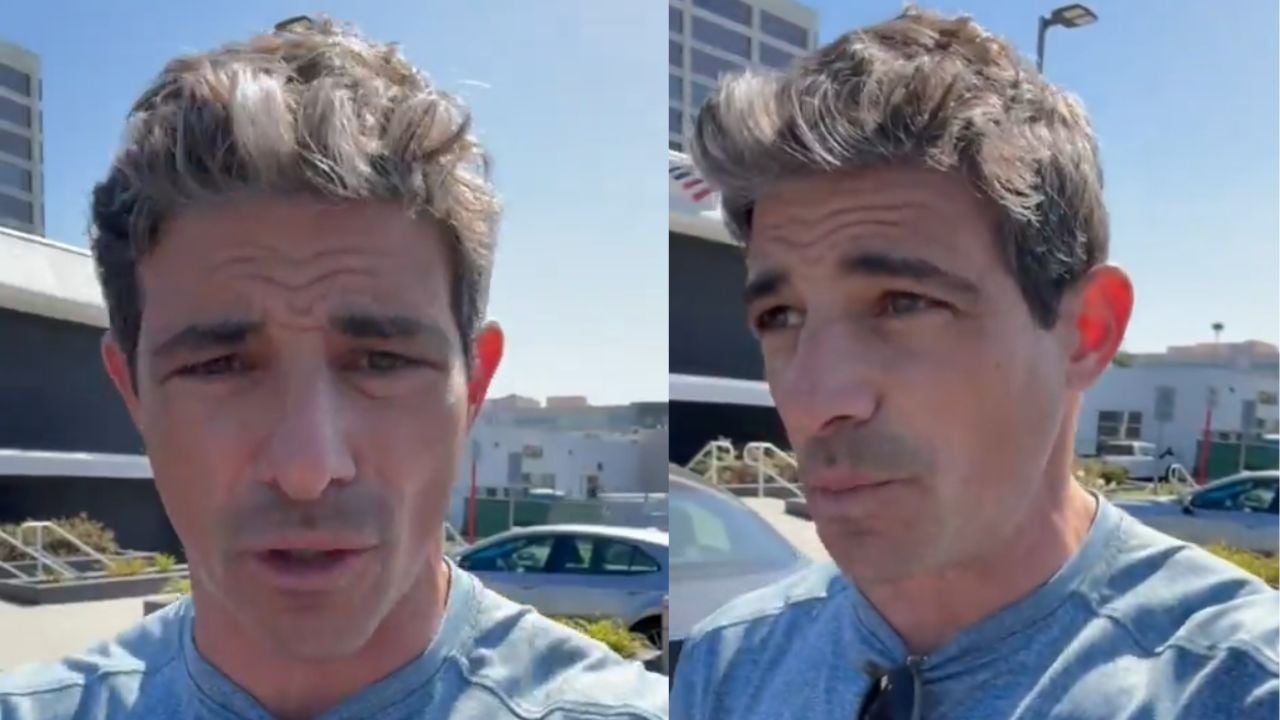
CBS News correspondent Matt Gutman says a sophisticated phone scam nearly convinced him to empty one of his bank accounts.
The caller posed as someone from his bank’s fraud protection department and appeared to know details about him and his accounts. The scheme then moved from a warning about suspicious activity to a request that Gutman go to his local bank branch and withdraw the money in cash.
Gutman said he realized something was wrong when the caller told him not to tell anyone at the bank what was happening.
The Caller Claimed To Be From Bank Fraud Protection
I just got SCAMMED: a remarkably sophisticated phone scam that nearly had me pull the entire entirety of funds out of one bank account. Watch to see how it unfolded. And how dangerous it might possibly have been.
Huge shout out to the @lapdhq and the folks at the @bankofamerica… pic.twitter.com/y17xohZcBz
— Matt Gutman (@CBSMATTGUTMAN) July 10, 2026
The New York Post reported that Gutman described the episode in a video posted to social media.
He said the caller claimed to work in his bank’s fraud protection department, gave a name and badge ID, and spoke as if she understood banking procedures. Gutman said the person on the phone appeared to know enough about him and his bank account to make the call feel legitimate.
The caller also referenced suspicious activity, including a recent issue involving his daughter’s account, which made the warning harder to dismiss immediately.
The Scam Shifted Toward a Cash Withdrawal
The caller allegedly told Gutman there was significant fraud activity at the bank branch where he normally banked.
The supposed solution was not to freeze the account, transfer him to a verified bank number, or have him speak with branch staff. Instead, the caller instructed him to go into the bank and withdraw all the money from one account.
Gutman said the explanation was that carrying the money in cash would help “trigger” the fraudsters and allow them to be caught.
The Fake Sting Operation Raised Questions
Gutman said he began questioning the request because it sounded like something law enforcement would handle, not something a regular bank customer would be asked to do.
Still, the call had been convincing enough that he stayed on the line while trying to understand what was happening.
The scam became clearer when the caller told him not to tell anyone inside the bank. The explanation was that bank employees might be involved, a secrecy demand that turned the fake fraud investigation into a direct warning sign.
He Stopped Before Taking Out the Money
Gutman did not lose the money, according to the accounts of his post. He stopped before emptying the account after realizing the caller’s instructions did not make sense.
He later said the experience was alarming because he has covered scams before and still came close to believing the setup.
Gutman said one of the most troubling parts was what could have happened after he left the branch with cash. He believed the scammers knew where they had directed him and feared the next step could have involved someone taking the money from him after the withdrawal.
A Real Bank Will Not Tell You to Hide a Withdrawal From Bank Staff
Bank of America says it will never contact customers to ask them to withdraw or move money to resolve fraud or any other issue. The safer step is to contact the bank through a verified number, app, website, card, or statement, not through the person who called.
Anyone who receives a call from a supposed fraud investigator should hang up, call the bank directly, and ask whether there is a real fraud alert on the account.
Bank impersonation scams can be reported to the bank’s fraud department, local law enforcement, the FTC at ReportFraud.ftc.gov, and the FBI’s Internet Crime Complaint Center at IC3.gov.