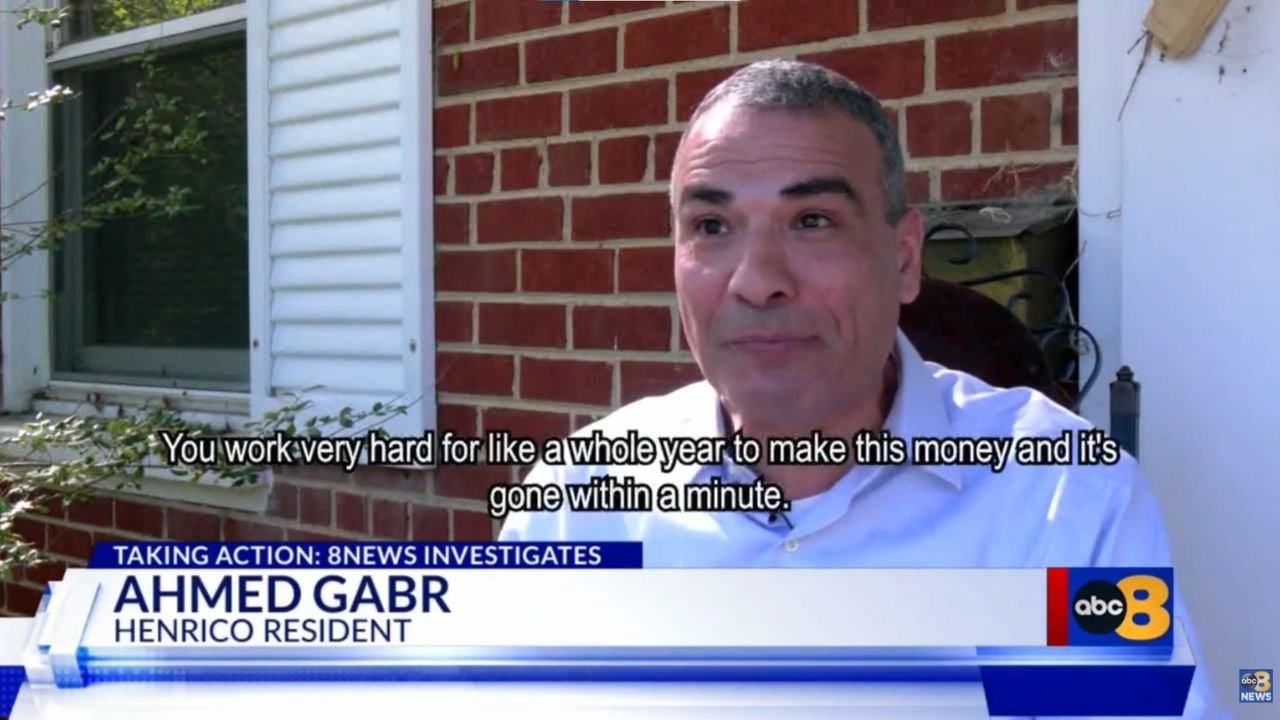
A Henrico man says a bank impersonation scam cost him $15,000 after a caller convinced him his account had been compromised and sent him to meet a fake FBI agent at Walgreens.
The man, identified by WRIC 8News as Gabr, said the scam began with a warning that his credit card had been compromised.
The caller’s solution was not to freeze the card, visit the bank independently, or call the number on the back of the card. Gabr said he was told to go to his local branch, withdraw $15,000, and meet an “FBI agent” at a Walgreens to hand over the money.
He followed the instructions. The money was gone.
The Scam Turned A Bank Problem Into A Cash Handoff
WRIC reported that the caller told Gabr his account was compromised and that they would help him save his money.
The victim is not being told to buy something strange or chase a prize. He is being told his own money is already in danger.
Once that fear takes over, a scammer can make a withdrawal sound like protection. In Gabr’s case, WRIC reported that he was instructed to withdraw $15,000 and meet someone presented as an FBI agent at Walgreens.
The Walgreens Meeting Was The Red Flag
A real bank fraud investigation does not require a customer to empty an account, carry cash to a retail store, and hand it to a stranger. A bank can freeze cards, open fraud claims, issue replacement cards, and verify account activity through official channels.
A real federal agent also will not send someone to a store parking lot to collect money from a supposed fraud victim.
The FBI says it will never call or email private citizens asking them to move money by wire transfer, cryptocurrency, gift cards, or prepaid cards. The same warning applies to cash handoffs arranged by a caller claiming to protect someone’s account.
The Fake Agent Made The Call Feel Official
A caller who claims a federal agent is involved can make a victim feel as if the situation is bigger than a routine bank problem.
If the victim believes the bank and the FBI are both involved, they may be less likely to slow down, call someone they trust, or question why the instructions sound unusual.
Scammers also commonly tell victims not to speak with bank employees, family members, or police because the account is supposedly under investigation. That secrecy protects the scammer, not the victim.
Hang Up Before Any Money Moves
If a caller says a bank account is compromised, the safest response is to end the call and verify the claim independently.
The customer should call the bank using the number on the back of the card, use the official banking app, or visit a branch without staying on the phone with the caller.
The Federal Trade Commission says it will never threaten people, tell them to transfer money to “protect it,” or tell them to withdraw cash or buy gold and give it to someone.
Anyone who has already sent money should contact the bank immediately, file a police report, report the scam to the FBI’s Internet Crime Complaint Center at IC3.gov, and submit a report to the FTC at ReportFraud.ftc.gov.
Gabr told WRIC he shared his story because he wants other people to spot the warning signs before they lose money. In his case, the warning sign came before the cash changed hands: a caller who claimed to be solving bank fraud asked him to withdraw $15,000 and meet a stranger at Walgreens.