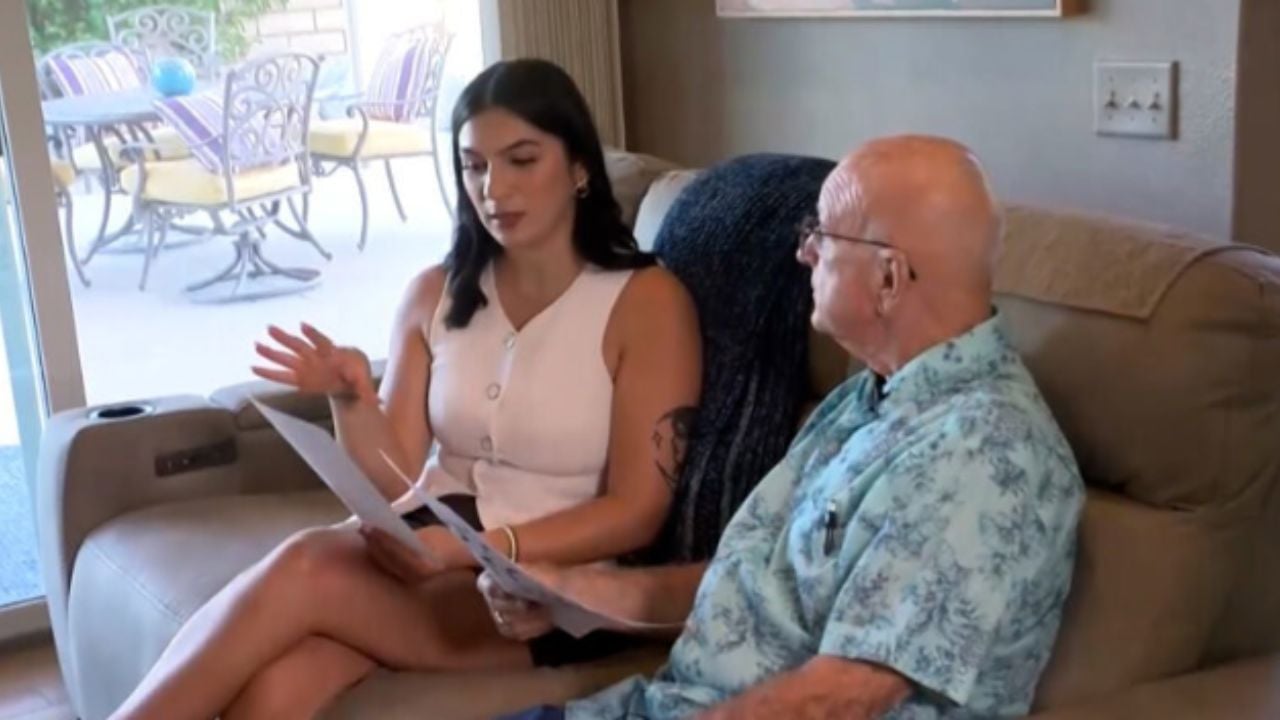
An 80-year-old California man discovered that a phishing email had falsely announced his death to family members, friends and neighbors while he was still alive.
John Fanning of Palm Desert said the message appeared to invite recipients to a celebration of his life. People who followed its registration link risked exposing their email credentials or compromising their devices.
Fanning had previously received the same type of invitation from a friend and believed it concerned the death of her elderly father.
After he clicked the link, a new version naming Fanning as the deceased was sent to people in his own contact list.
The Message Appeared to Come From Someone He Knew
A Palm Desert senior is raising awareness after he says a phishing email was sent to family and friends claiming he had died and urging them to register for his celebration of life. News Channel 3’s Athena Jreij digs deeper into this scam https://t.co/hSOgzgs2pd
— KESQ News Channel 3 (@KESQ) July 31, 2026
Fanning said the original email appeared to come from a friend in Los Angeles and claimed that her father had died, according to KESQ. Fanning knew the man was in his late 90s, so the story initially seemed plausible.
The invitation contained a green registration button for a supposed celebration of life. Fanning said the next page displayed a box asking him to verify that he was not a robot. Fanning believes interacting with the page compromised his computer or email account and exposed his contacts.
After Fanning clicked the invitation, people in his contact list received a similar message falsely claiming that he had died. The message carried added credibility because it appeared connected to someone the recipients already knew. One neighbor arrived at Fanning’s home expecting to offer condolences to his wife and was surprised when Fanning answered the door.
Fanning consulted technology professionals to inspect his devices and remove suspected malware. He also expressed concern that sensitive information stored on the computer may have been exposed. Fanning did not report an unauthorized bank withdrawal, credit-card purchase, identity-theft account or direct demand for money.
A Compromised Email Account Requires More Than a Password Change
The Federal Trade Commission warned in May about fraudulent electronic invitations that ask recipients for email credentials or verification codes. Phishing emails can be forwarded to the Anti-Phishing Working Group at reportphishing@apwg.org and reported to the FTC through ReportFraud.ftc.gov.
The FTC recommends updating security software and running a device scan before or while recovering a compromised email account. After regaining access, the account holder should: replace the email password with a strong, unique one, sign out of every device and active session, enable two-factor authentication and delete any unfamiliar automatic-forwarding rules.
Passwords reused on other accounts should also be changed. Access to an email inbox can allow someone to intercept password-reset links for banking, shopping, social-media and other services.