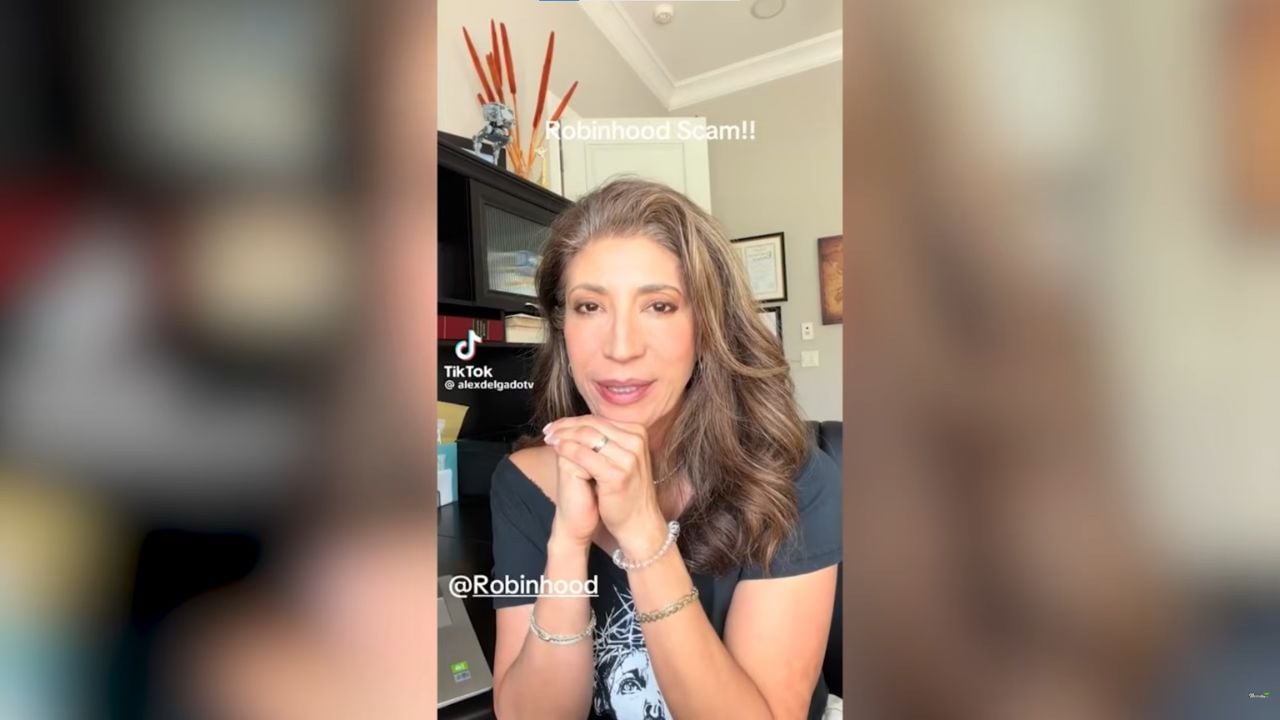
A former Fresno news anchor who had covered scam stories herself says she lost $72,000 after a text message made her believe someone was trying to break into her Robinhood account.
Alex Delgado received the message in March while preparing for a trip, according to YourCentralValley.com. The text claimed suspicious activity had been detected on her account and appeared to come from Robinhood.
Instead of opening Robinhood’s official app to check the alert, Delgado called the number in the text. The person who answered claimed to be with Robinhood’s fraud team and told her an attacker in Asia using an Android device was trying to access her account.
Delgado believed she was protecting her money. Two days later, $72,000 was gone.
The Text Led Her To A Fake Fraud Team
The caller told Delgado she needed to move her funds to protect them while the supposed breach was being investigated, YourCentralValley.com reported. Over the next two days, Delgado followed the caller’s instructions and moved money through multiple transfers.
The caller stayed involved long enough to guide the transfers and keep the fake security story alive. Delgado said the warning sign came when she tried to get off the phone and the caller pushed her to stay on the line.
She Contacted Robinhood After The Transfers Went Through
By the time Delgado contacted Robinhood through the company’s real support channel inside the app, the transfers had already gone through. She filed claims with multiple institutions after the scam, but YourCentralValley.com reported that her recovery efforts had not succeeded at the time of the report.
Delgado also said she was told there would be a hearing connected to the matter, though no date had been set. Delgado had spent years in news and had reported on fraud herself. Her message to viewers was that if it could happen to her, it could happen to anyone.
Robinhood Says Support Should Start In The App
Robinhood’s scam guidance says users should go directly to the app or robinhood.com/contact if they are unsure whether a message is real. The company says users should not click links or call numbers from the message itself.
Robinhood also says it will never ask for a password, two-factor authentication code, or secret recovery phrase. Its guidance warns that scammers may tell users to transfer money or crypto under the premise of protecting existing funds.
Fresno Police Detective Timothy Johnson told YourCentralValley.com that advances in artificial intelligence are making phishing attempts harder to spot because scammers can create more convincing emails and texts that imitate real financial institutions.
The safer move is to treat every urgent account alert as unverified until it is checked through the official app or website.