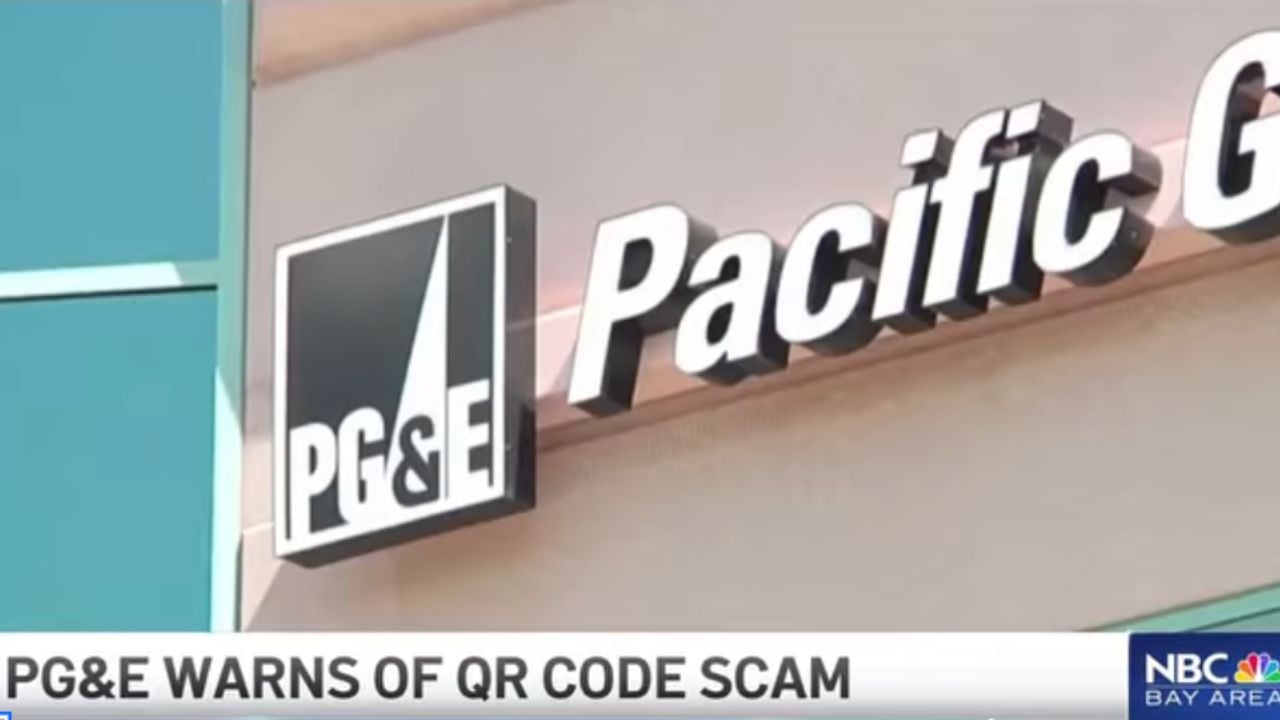
PG&E customers have reported more than $211,000 in scam losses this year, and the utility says a new barcode and QR-code payment trick is part of the surge.
The scam starts with a familiar utility threat: pay immediately or lose power. The new version sends customers a barcode or QR code by text or email and tells them to take it to a store or business so a cashier can process the payment, according to Local News Matters.
PG&E said customers have lost an average of $969 each to utility scammers so far in 2026, up from an average loss of $590 in 2025.
The pace is already close to last year’s total. PG&E received nearly 24,000 scam reports in 2025, when customers lost more than $301,000. With months still left in 2026, the utility says this year’s losses are on track to pass that figure.
The Scam Turns A Shutoff Threat Into A Store Payment
PG&E said the most common scam still begins with a call from someone pretending to be from the utility. The caller claims the customer has a past-due balance and says service will be disconnected unless payment is made immediately.
After making the shutoff threat, the scammer sends a barcode or QR code and tells the customer to bring it to a cashier to pay.
“Scammers are constantly evolving their tactics to defraud customers, and the latest ‘barcode scam’ is a prime example of that,” Matt Foley, PG&E’s lead scam investigator, said in the utility’s warning.
Foley said the tactic may be changing, but the pressure point has not: scammers still demand immediate payment to avoid disconnection.
Bay Area Customers Are Reporting Hundreds Of Attempts
Local News Matters reported that Alameda County has the highest number of Bay Area scam complaints so far this year, with 399 reports. Santa Clara County followed with 372, and Contra Costa County reported 278.
San Jose led the listed cities with 246 reports. San Francisco had 176, while Oakland had 115.
Business owners are also being targeted. PG&E said it has received nearly 656 reports of scam attempts against business customers in 2026.
The utility said scammers often target small and medium-sized businesses during busy hours, when owners or employees may feel pressure to avoid any interruption in service.
PG&E Says It Does Not Take Payments This Way
PG&E said it will not ask customers for financial information over the phone. The utility also said it will not ask for payment by barcode, QR code, prepaid debit card, gift card, cryptocurrency, or money transfer services such as Zelle or Venmo.
The company said legitimate disconnection notices are typically sent in advance by mail and included with regular monthly bills.
PG&E also warned customers not to show a utility bill to someone who comes to the door claiming to represent the company. Foley said customers should close the door, then call PG&E’s customer service number or log into their account at PGE.com to verify billing details.
Anyone who receives a shutoff threat with a barcode or QR code should end the call, avoid using the code, and check the account through PG&E directly.