An older La Crosse County couple thought a sweepstakes prize was coming. Instead, investigators said, the promise turned into months of payments, personal information requests, and a loss of more than $450,000.
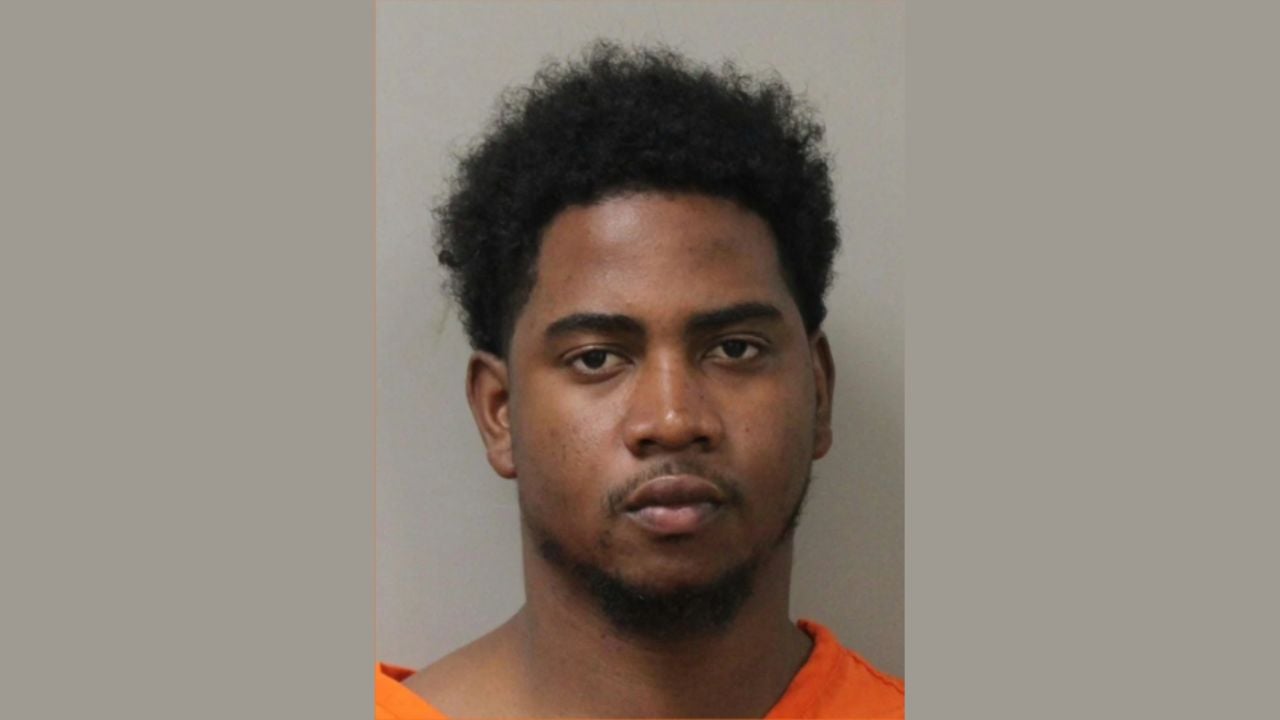
Faedar Brittanya Rockhead, a Vermont woman charged in the case, has now been sentenced to two years in Wisconsin state prison after entering a plea, according to WIZM.
The scheme involved cash, gift cards, personal data, credit card charges, and malware that gave scammers access to the victims’ computer, according to earlier warrant details reported by Winona Journal.
The case shows how fake prize scams can keep victims paying long after the first call, especially when scammers keep changing the reason money is supposedly needed before the winnings can be released.
The Scam Began With a Fake Prize Claim

Winona Journal reported that the couple, ages 78 and 76, went to police after being drawn into a sweepstakes scam tied to claims about Publishers Clearing House and Reader’s Digest-style prizes.
The promise came with conditions. Investigators said the couple was told they had to pay taxes, fees, or other charges before the winnings could be released. From May through December 2024, the victims sent cash and gift cards, with most of the money coming from retirement savings.
The Couple Was Contacted More Than 2,400 Times
The victims had 2,419 contacts with the scammers over about nine months, according to Winona Journal. That volume helps explain why the scheme did not end after one payment or one suspicious request.
Each new contact kept the fake prize story alive. The scammers could explain delays, create new fees, ask for another payment method, and keep the victims focused on the idea that the prize was close if they paid one more time.
The scheme also reached the couple’s computer. Investigators said malware gave the scammers access to everything on the device, meaning passwords, banking information, credit card details, email accounts, and personal documents could all become part of the fraud.
Rockhead Was Sentenced to Two Years
News8000 reported that Rockhead was sentenced to prison in the sweepstakes scam case. WIZM reported that she entered a plea in May and received a two-year prison sentence.
Rockhead was one of several people charged in connection with the larger case. WIZM reported that Malcolm Sterling reached a plea agreement and was awaiting sentencing, while Shanice Reeves remained in the La Crosse County Jail under a $1 million cash bond with another plea hearing scheduled. Earlier reports also named Gavin J. McIntosh and Tanya Santanya Rockhead among the defendants tied to the investigation.
Fake Sweepstakes Use Fees To Keep Victims Paying
The Federal Trade Commission warns that anyone who says a person has to pay to receive a prize is a scammer. Fake prize callers may claim the money is needed for taxes, shipping, handling, processing, insurance, or other charges before winnings can be released.
Those payment demands are the trap. A victim who has already sent money may keep paying because stopping means accepting that the prize is not real and that earlier payments may be gone. Families should watch for repeated gift card purchases, unusual cash withdrawals, secret prize calls, new credit card charges, wire transfers, or a relative being coached to hide the payments from bank staff or loved ones.
What To Save After a Sweepstakes Scam
Victims and relatives should save phone numbers, voicemails, texts, emails, letters, prize documents, gift card receipts, card numbers, wire receipts, bank statements, credit card charges, screenshots, computer access records, and any names the caller used.
If money or personal information has already been sent, the victim should contact the bank, credit card company, gift card issuer, wire service, or payment platform immediately and ask whether anything can be frozen, reversed, or flagged. The computer should also be checked for remote-access software or malware before the victim uses it again for banking, email, or password changes.
Sweepstakes scams can be reported to local law enforcement, the FTC at ReportFraud.ftc.gov, and the FBI’s Internet Crime Complaint Center at IC3.gov.